





World Food Programme: Funding shortfall means aid to Sudan could be cut in weeks as famine deepens
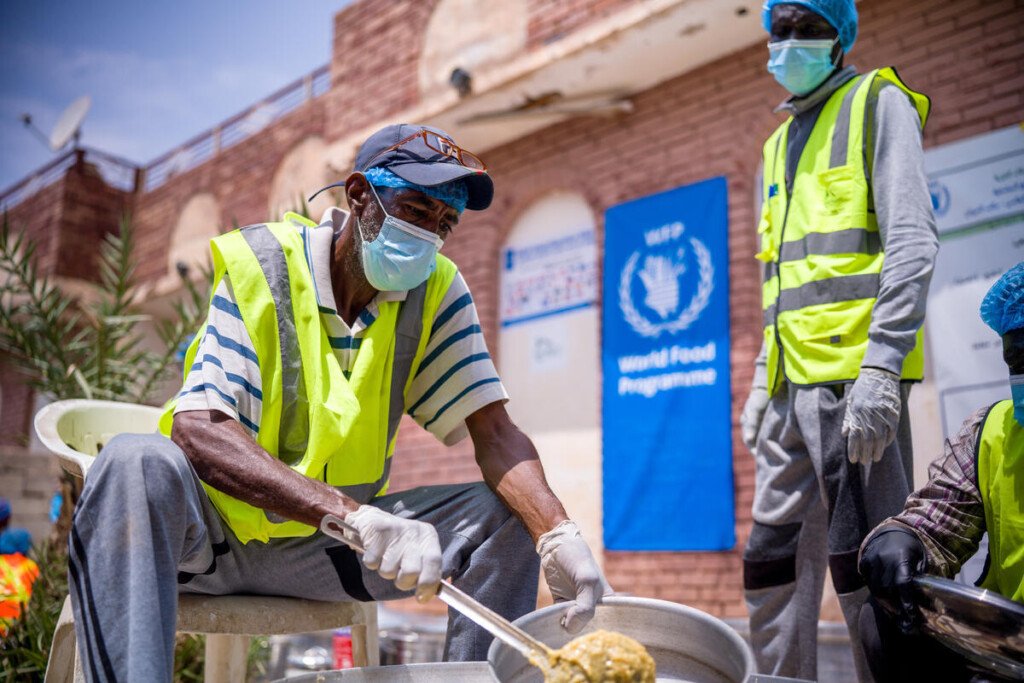
A WFP-Supported kitchen in South Khartoum, where chefs serve hot meals to families facing severe hunger (File photo: WFP)
More families across Sudan are being pushed to the brink of famine as the world’s largest hunger crisis worsens and aid agencies run short of funds, the United Nations World Food Programme (WFP) has warned.
In a statement today, WFP says that more than 21 million people face acute hunger after 1,000 days of war, with aid at risk of being cut within weeks.
After more than 1,000 days of brutal conflict, the agency says it is struggling to sustain life-saving operations, despite having reached over 10 million of the most vulnerable people with food, cash and nutrition support since fighting reignited in April 2023.
WFP is currently assisting an average of four million people in Sudan each month, including in previously inaccessible areas of Darfur and Kordofan, as well as Khartoum and El Gezira. But those efforts are now under threat.
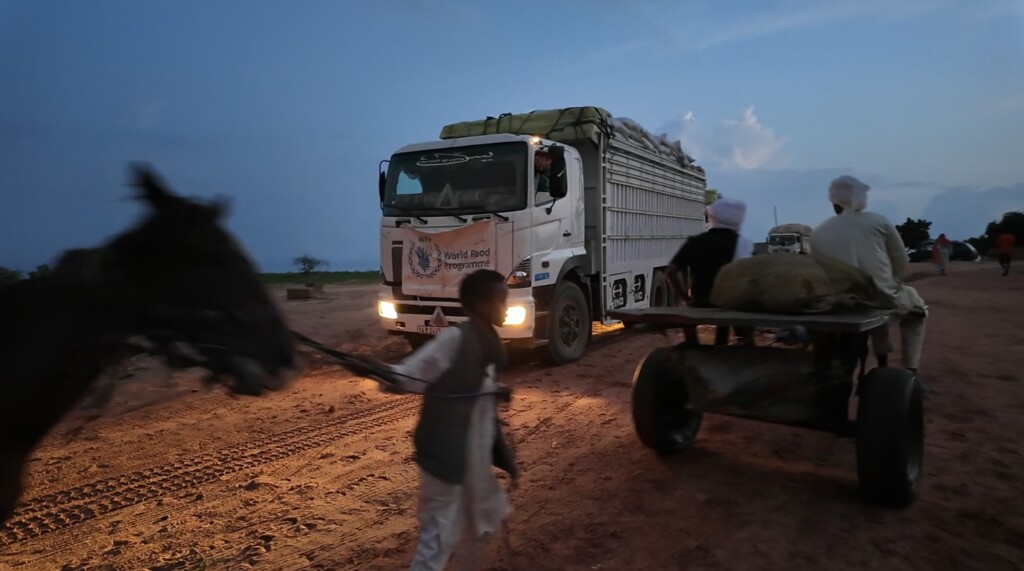
“These hard-earned gains now risk being reversed,” said Ross Smith, warning that rations have already been cut to the “absolute minimum for survival”. Without urgent funding, the agency expects to run out of food stocks in Sudan by the end of March, potentially leaving millions without aid within weeks.
Aid gains under threat
The agency says it has the staff and access needed to scale up operations if funding becomes available. Over the past six months, nearly 1.8 million people in famine or near-famine conditions have received regular monthly assistance, helping to hold back hunger in nine of the worst-affected areas.
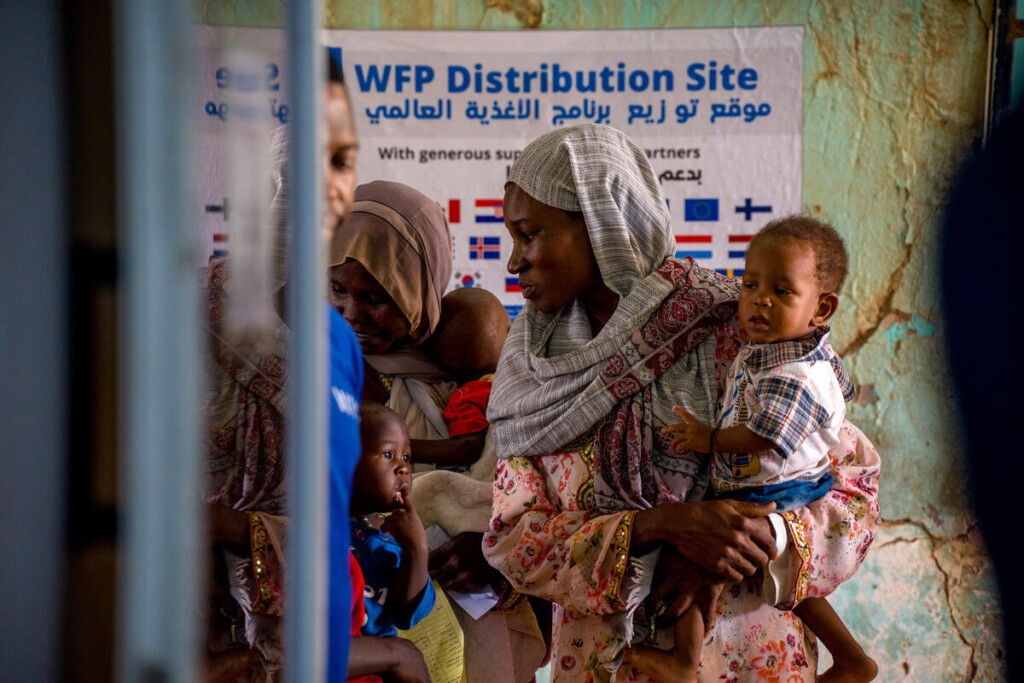
Recent breakthroughs have allowed limited access to previously cut-off regions including a joint UN convoy that reached Kadugli in October. But such efforts remain fragile.
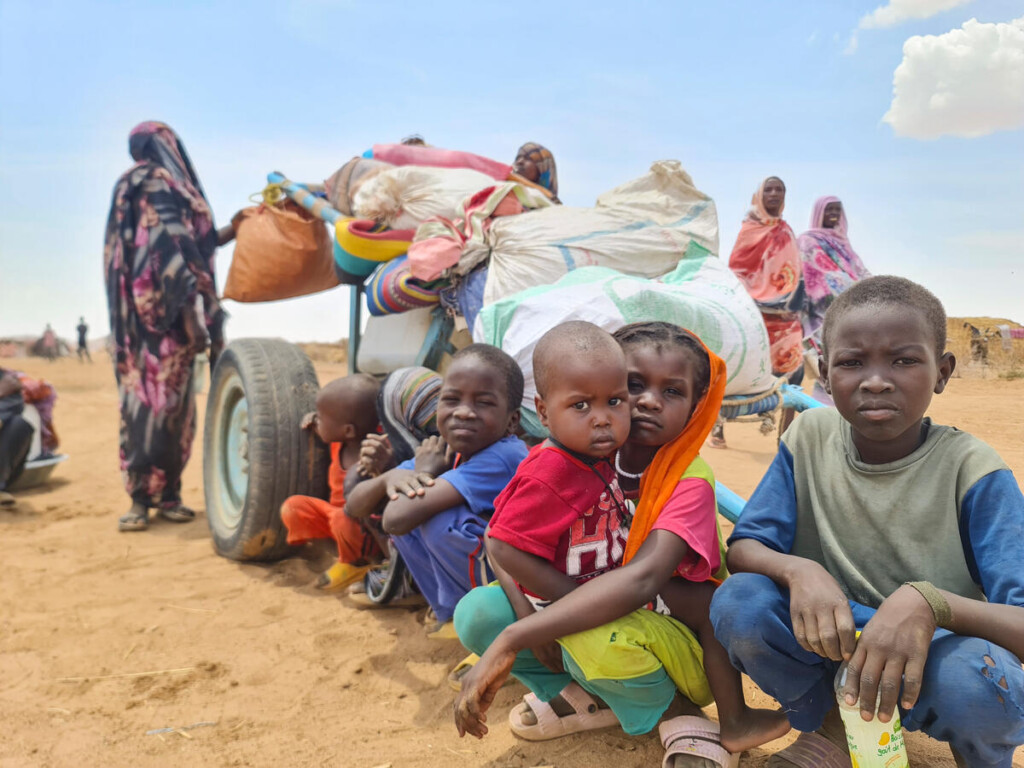
More than 21 million people across Sudan now face acute hunger, while famine has already been confirmed in parts of the country where conflict has blocked aid deliveries for months. Nearly 12 million people have been displaced.
Malnutrition is also surging. Around 3.7 million children, along with pregnant and breastfeeding women, are affected. In parts of North Darfur, surveys show that more than half of young children are malnourished.
“One thousand days of conflict is one thousand days too many,” Smith said. “Every day that fighting continues, families fall deeper into hunger.”
Urgent funding appeal
The WFP is seeking $700m to sustain operations in Sudan between January and June, warning that without immediate support, famine conditions could spread further.
Despite the scale of the crisis, the agency insists it is still possible to avert catastrophe—if funding arrives in time to support those most at risk.


 and then