




Sudanese Journalists Syndicate has supported more than 1,000 media workers since start of war
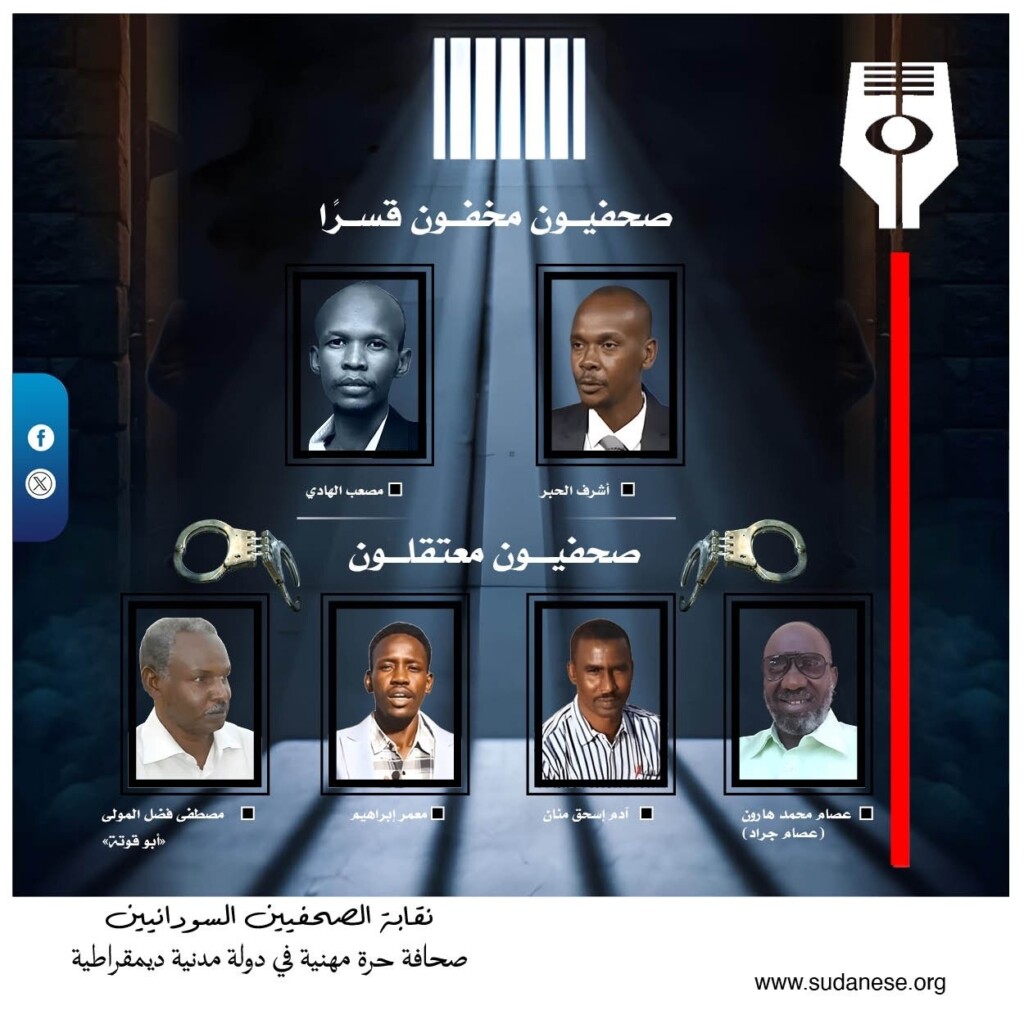
Journalists detained in Sudan (Source: Sudanese Journalists Syndicate)
The Sudanese Journalists Syndicate says it has provided social support to more than 1,000 journalists during the period from November 2022 to the first quarter of 2026, in light of the unprecedented challenges faced by workers in the media and union sectors as a result of the continued war in Sudan.
In a statement on Monday, Walid El Nour, the union’s social secretary, explained that the aid took into account allocating 30 per cent of it to support female journalists, and 20 per cent as health support, as part of the secretariat’s efforts to narrow the wide gap in support between the sexes, as he described it.
El Nour added that the timeline of beneficiaries began immediately after the union elections in 2022, with 23 journalists benefiting, then 200 in 2023, 400 in 2024, 300 in 2025, in addition to 87 journalists during the first quarter of this year, bringing the total number to 1010 journalists by the first quarter of 2026.
El Nour attributed the large increase in the number of beneficiaries to the repercussions of the war, which caused most of them to lose their jobs and put them on the brink of poverty.
Impact of stopping monthly subscriptions
He stressed that the union council’s decision to suspend monthly subscriptions had a negative impact on the provision of financial resources, expressing the union’s regret for its inability to cover all the needs of its members, especially in areas of active clashes, in addition to sick, displaced, and refugee journalists.
El Nour explained that the aid funding came from international bodies, while the contribution of membership subscriptions in the period from 2022 until April 2023 amounted to just 5 per cent of the support.
The union’s social secretary affirmed the union’s continued efforts with humanitarian agencies and organisations to find radical solutions aimed at reducing the gap of need and meeting the basic requirements of Sudanese journalists affected by the repercussions of the war.
In a related context, El Nour addressed a message of thanks and appreciation to the Sudanese correspondents working in international channels and agencies, and their colleagues in international institutions abroad, for the continuous support they provide to their colleagues, describing it as “the most splendid example of professional solidarity.”
Sudan’s media under fire
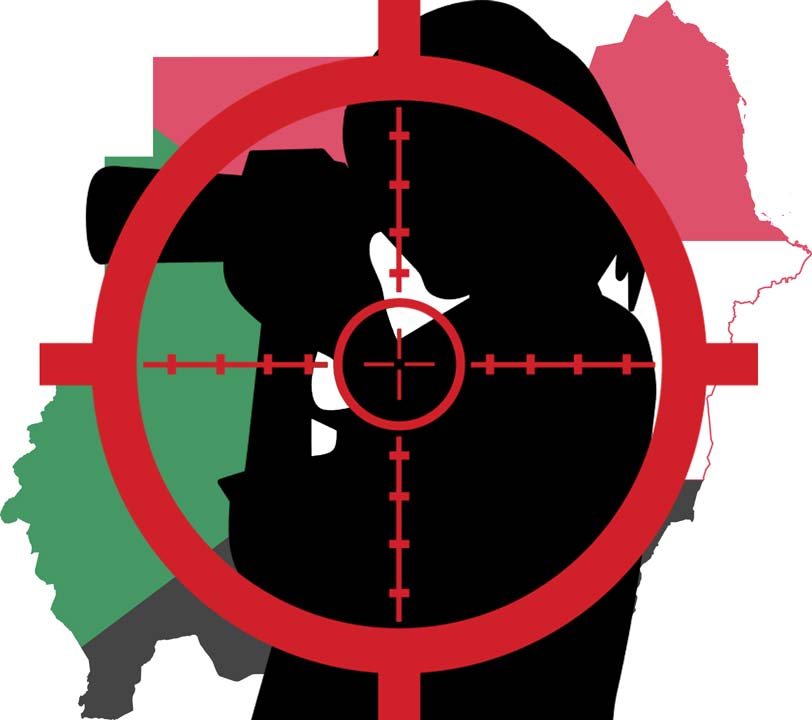
In previous comments, Kamal El Sadig, Editor in Chief of Radio Dabanga underlined that years of unrelenting war in Sudan has caused massive devastation, affecting all aspects of life in Sudan, including the media sector. Facilities and equipment have been destroyed, two-thirds of Sudanese journalists have fled the country, all press and media institutions operating inside the country have ceased operations, at a time when the Sudanese people have more need for vital information than ever.
Last month, the Sudan Media Forum coalition of 23 independent media institutions in Sudan, including the Sudanese Journalists Syndicate, addressed letters to all state representatives and diplomats of the Quartet (the United States of America, Saudi Arabia, the United Arab Emirates, and Egypt), the Quintet (the African Union, Intergovernmental Authority on Development (IGAD), League of Arab States, European Union and the United Nations), as well as the Foreign Ministers of co-hosts Germany, France, and the United Kingdom, ahead of the Conference on Sudan in Berlin on April 15, 2026, underlining that “any process to design a framework for dialogue, consultation, and a peaceful democratic transition in Sudan, should place media independence at the core of the process.

 and then