




Sudan doctors warn of health catastrophe as disease spreads
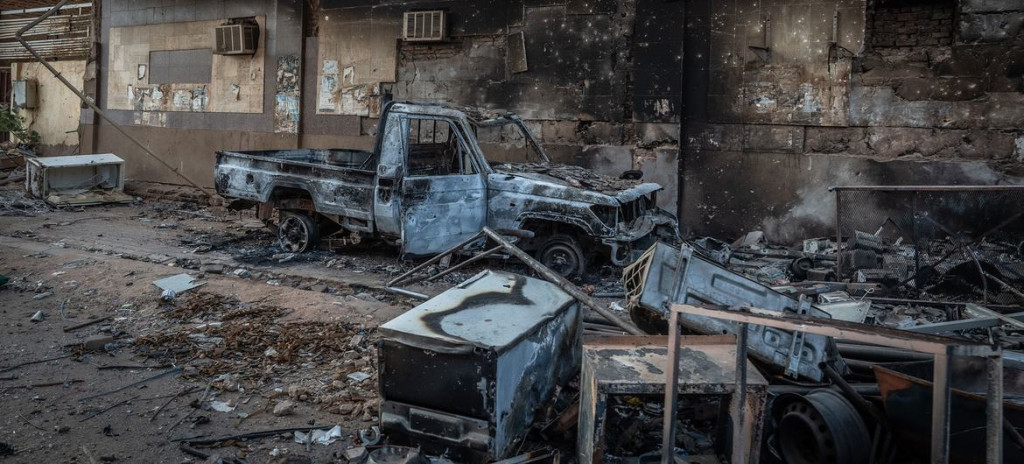
Damaged cars outside Fadil Hospital in Khartoum (Archive photo: Avaaz / Giles Clarke)
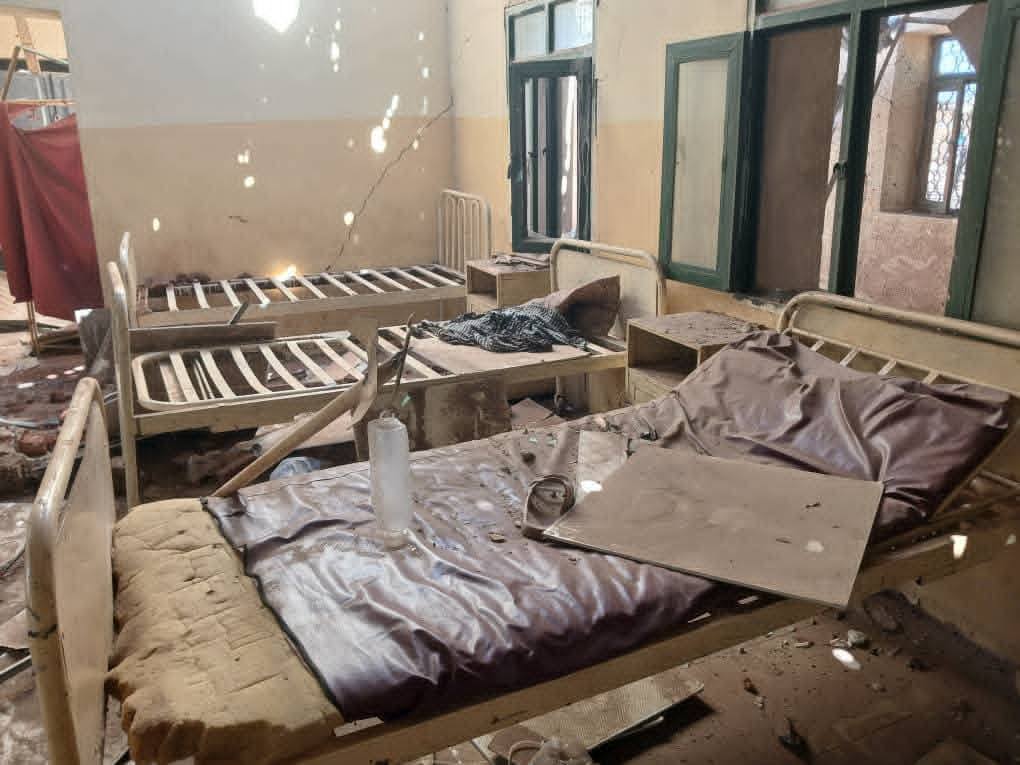
Sudan’s health system is nearing collapse, with disease and epidemics spreading across the country amid poor sanitation, overcrowding and the destruction of medical infrastructure during the war, the Preparatory Committee of the Sudanese Doctors’ Syndicate has warned.
The committee presented a report on the deteriorating health situation to participants at the 63rd session of the UN Human Rights Council in Geneva, highlighting what it described as catastrophic conditions in conflict-affected areas, including Khartoum, Omdurman, and Gezira state.
Dr Adiba Ibrahim El-Sayed, an internal medicine and epidemiology specialist and spokesperson for the committee, told Radio Dabanga that the report documented extensive environmental damage and the destruction of key laboratories, including the National Public Health Laboratory, known as Stack, the University of Khartoum laboratory, and the El-Daman Hospital laboratory.
She said the committee’s participation in the Human Rights Council session was intended to put pressure on the Sudanese army and Rapid Support Forces (RSF) to end the war and work towards peace.
Disease and environmental risks
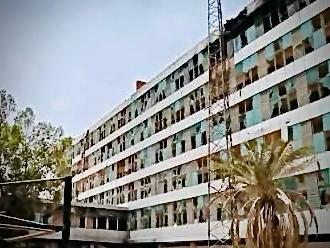
Ibrahim said the deterioration of environmental conditions was fuelling the spread of disease. Decomposing bodies, war debris, contaminated water, inadequate sanitation, and prolonged power cuts had created conditions conducive to outbreaks, while mosquitoes and flies were spreading disease.
The failure to disinfect affected areas and restrict access to contaminated and conflict-damaged sites had further increased the risk of infection, she said. Disease cases were rising across Sudan, including in areas considered relatively safe.
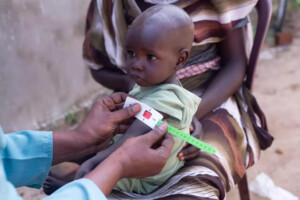
The report also highlighted serious reproductive-health risks. Pregnant and breastfeeding women and children in shelters and camps for internally displaced people and refugees face inadequate access to healthcare and vaccination, as well as insecurity, disease, and food shortages.
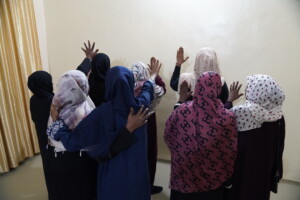
Ibrahim said the committee had also documented sexual violence against young women and men and the psychological consequences for survivors. Many face stigma from their families and communities and are treated as though they were responsible for the crimes committed against them.
She warned that without appropriate medical and psychological support, survivors could face severe consequences, including suicide. Victims of rape and other sexual violence also face the added risks associated with sexually transmitted infections and cases involving children without parental care.
Doctors targeted
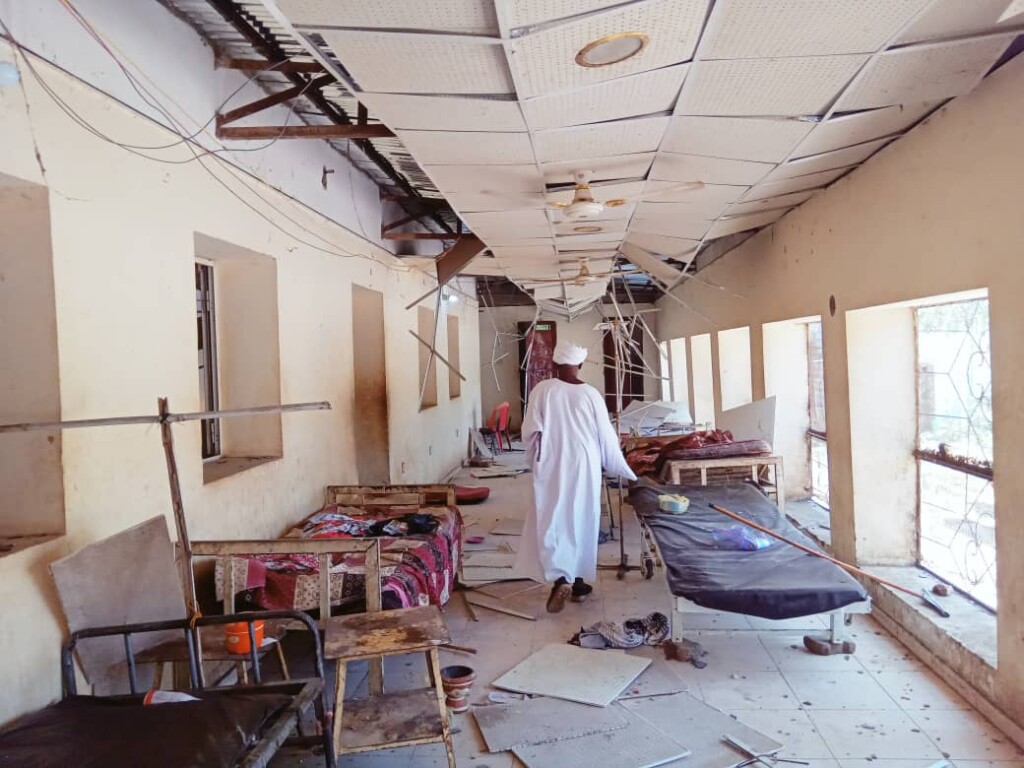
The report documented arrests, assaults, harassment and other violations against doctors and health workers. Some medical personnel remain missing, while others have been killed while carrying out their duties, Ibrahim said.
The attacks, combined with the absence of adequate security and protection, have contributed to the displacement and migration of doctors, leaving a severe shortage of medical staff in the few hospitals still operating.
Hospitals are struggling to cope with rising numbers of patients while facing shortages of essential and life-saving medicines.
Ibrahim described the overall situation as “catastrophic”, while acknowledging efforts by the doctors’ committee, international organisations, and Sudan’s federal health ministry to respond to the crisis. She said those efforts remained insufficient given the scale of the needs.
Sudanese civilians were enduring severe hardship because of soaring prices and hunger, she said, with older people, those with chronic illnesses, pregnant women and breastfeeding mothers particularly affected by the lack of treatment and essential services.
Call for immediate action
The doctors’ committee renewed its appeal to the international community and the UN Security Council to press the warring parties to immediately and comprehensively end the conflict.
It called for protection for medical workers and health facilities, guaranteed access for humanitarian and medical assistance, and greater support for refugees and internally displaced people. It also called for safe and dignified returns for people forced from their homes.
The committee backed greater unity among Sudan’s civil and popular forces and urged the parties to enter negotiations and dialogue aimed at reaching a lasting settlement.
Ibrahim said the committee’s participation in the Geneva session had received broad acceptance among those taking part. Sudan’s crisis, she said, required a “fundamental” and lasting solution, with an immediate end to the war and a return to negotiations.
Note: This report has been translated from Arabic with the assistance of artificial intelligence tools, and subsequently reviewed and adapted by a human editor before publication.


 and then