




South Darfur hospital faces shutdown after last doctor leaves
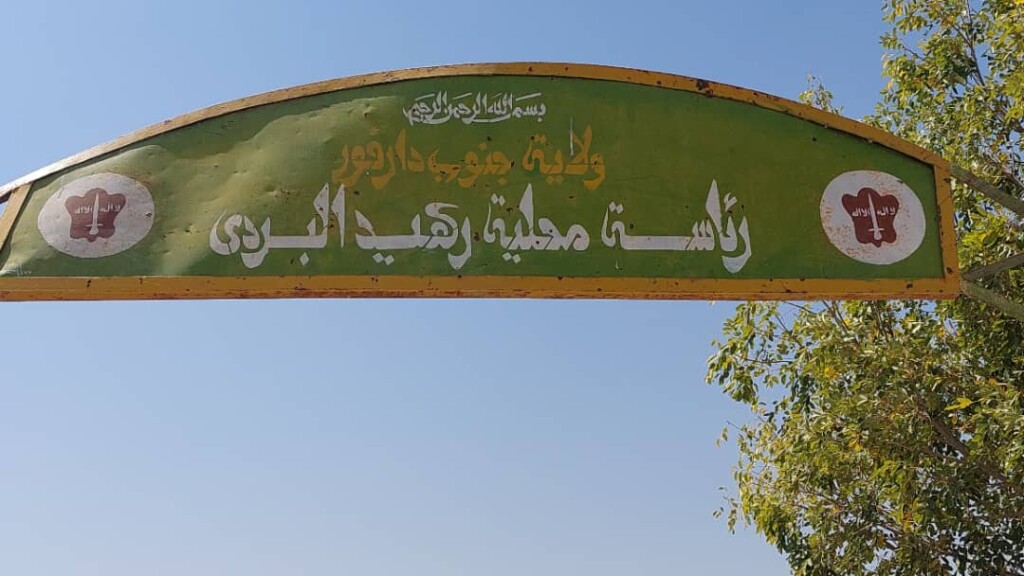
A community initiative to save Rehed El Bardi Hospital from collapse. The Rehed El Bardi locality headquarters are pictured (File photo: RD)
By Abdelmoneim Madibu for Radio Dabanga
The only doctor serving Rehed El Bardi Hospital has left the area to pursue postgraduate studies, putting essential healthcare at risk for thousands of residents in the locality and neighbouring areas.
The hospital has operated with limited medicines, equipment and medical staff since the outbreak of Sudan’s war in April 2023. The doctor’s departure has now left the facility without a permanent physician, prompting local authorities, community leaders and activists to launch an initiative to keep its services running.
The hospital serves residents of Rehed El Bardi locality in South Darfur as well as patients from Kubum locality, Wad El-Fursan, Um Dafoug (Um Dafug) locality, and other neighbouring areas. Many patients struggle to travel to Nyala for treatment, making the facility a vital source of healthcare for the region.
With no regular support from the state government or humanitarian organisations working in the health sector, the community is now attempting to prevent the hospital from effectively shutting down.
Community fund launched
An expanded meeting of local authorities, civil administration representatives, community leaders, neighbourhood heads and activists agreed to establish a fund to support the hospital and secure the resources needed to maintain its services.
The Executive Director of the Rehed El Bardi administrative unit told Radio Dabanga that participants agreed to form an 11-member committee to oversee the fund.
He appealed to people from Rehed El Bardi living inside and outside Sudan to contribute to the initiative.
The fund will focus on supporting medical staff and securing the resources required to keep the hospital operating.
Hospital built by community
Rehed El Bardi Hospital is the product of a decades-old community effort to provide healthcare locally.
The idea emerged in the early 1990s, when residents contributed to its construction by giving part of their sugar rations rather than making direct cash payments.
Community members, including the late Mukhtar El Ghali, contributed to the construction of one of the hospital’s wards. Abdallah Riyas, then governor of Nyala, also helped complete the project, which officially opened in 1993.
The community later relied on local resources to attract and retain doctors, providing financial allowances and in-kind support to encourage them to remain in the area.
Dr Babkar was among the first doctors to settle at the hospital for an extended period. Local support helped him remain in the area and continue providing medical services.
Such efforts helped maintain a stable medical workforce for years. But the war and the resulting decline in local resources have placed the hospital’s future in jeopardy.
Community seeks doctors
Mohammed Zain Diab Ahmed, a civil society representative and coordinator of neighbourhood and village councils in Rehed El Bardi locality, told Radio Dabanga that the meeting focused on addressing the shortage of medical personnel.
Participants agreed to work towards creating conditions that would attract doctors and other health workers, while providing financial and moral support to encourage them to remain in the area.
Ahmed Awad said the departure of the only doctor had directly affected residents, particularly patients who cannot afford or are otherwise unable to travel to Nyala for treatment.
He told Radio Dabanga that the community would mobilise resources from different groups, including traders, livestock owners and farmers, to provide sustainable financial support to the hospital.
Daoud El-Mahdi, another meeting participant, said discussions focused on urgent measures to ensure the facility could continue operating and recruit medical staff.
He said the participants agreed that healthcare was a priority that could not be postponed and praised the doctors who had served the hospital over the years.
Community activist Adam Bashir Hassan said residents mobilised after the departure of the last doctor threatened the facility’s ability to provide healthcare.
He said the meeting launched a popular fundraising initiative, in coordination with local authorities, to recruit doctors and support the hospital’s operations.
Hassan said the need for medical services was particularly urgent as the area experiences seasonal illnesses, including fever and diarrhoeal diseases.
He appealed to people from Rehed El Bardi in Sudan and abroad to support the initiative.
A community effort renewed
More than three decades after residents helped build their hospital through contributions of sugar rations, the community is once again turning to collective action to preserve it.
This time, the challenge is not building the facility but keeping it staffed and operational.
The success of the initiative will depend on whether residents can secure sustainable funding to attract medical workers and maintain services.
For thousands of people in Rehed El Bardi locality and neighbouring areas, keeping the hospital open could determine whether essential healthcare remains available close to home.
 and then