




Sudan timeline April-June 2026: Struggles toward ceasefire fail amid El Obeid violence
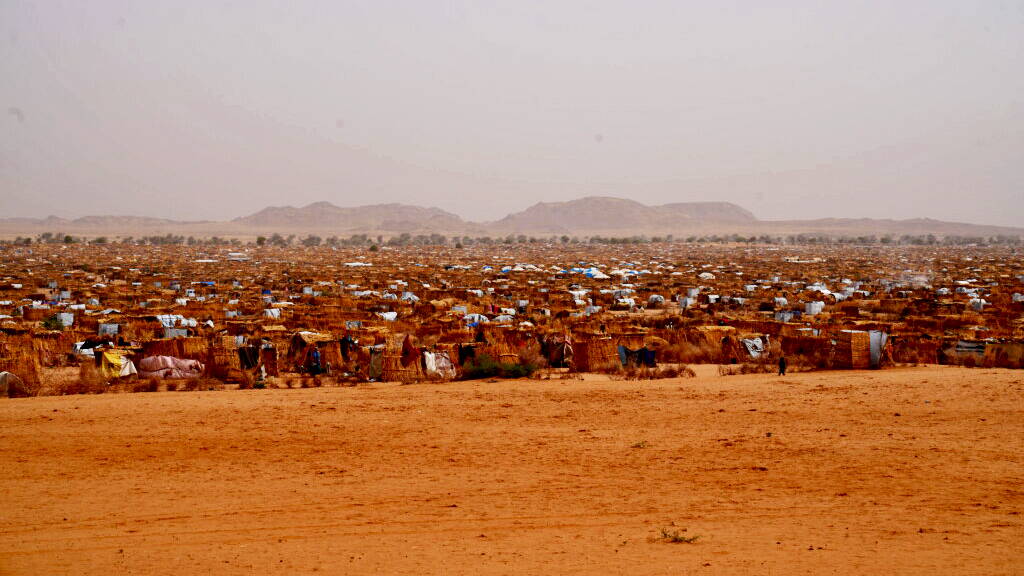
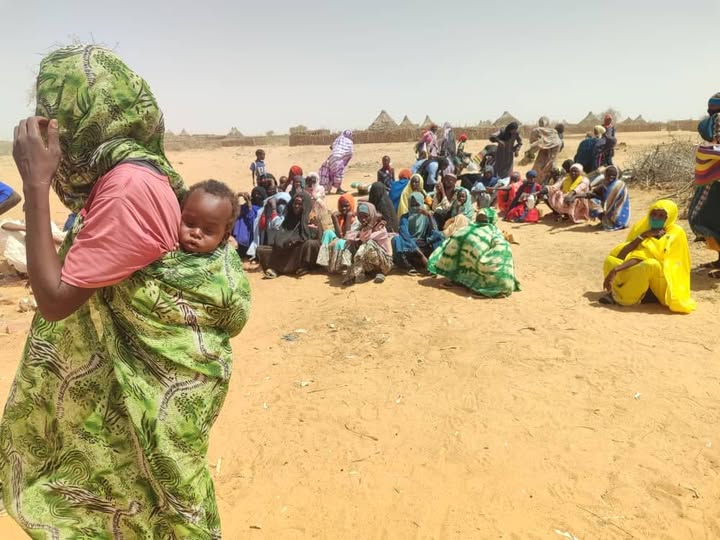
Tobla camp for displaced peeople in North Darfur (Photo: ICRC)
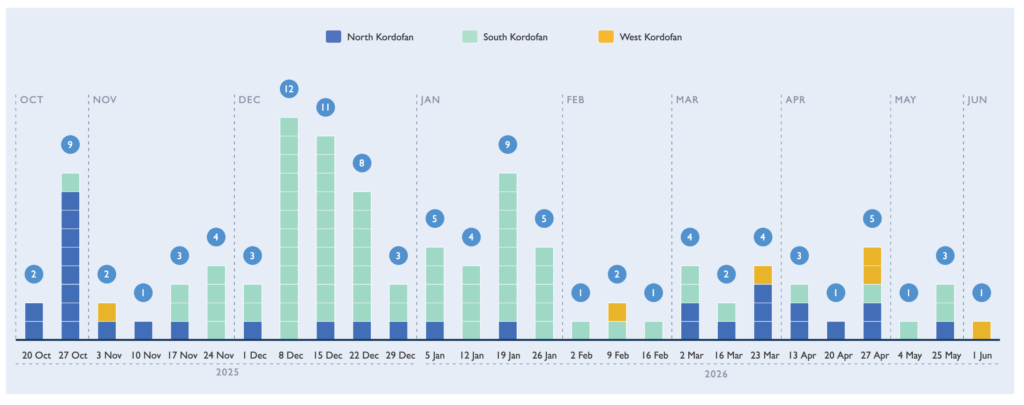
The second quarter of 2026 comes to a close with the United Nations and other international bodies warning of another human rights catastrophe in Sudan. This time, it is unfolding in the capital of North Kordofan, which has endured “siege-like conditions” for 18 months. El Obeid residents face relentless drone strikes, critical water shortages, and widespread reports of summary executions, abductions, torture, and conflict-related sexual violence. Similar violations, alongside continued displacement and deteriorating humanitarian conditions, feature heavily in Radio Dabanga’s reporting throughout the quarter.
This timeline is dominated by the disruption of operations at Khartoum Airport following drone attacks, reflections marking the third anniversary of the Sudan war, the Berlin Conference and subsequent international efforts to advance a civilian-led political process, and the increasing use of drone warfare across strategic locations. The Rapid Support Forces (RSF), led by Commander Lt Gen Mohammed Hamdan ‘Hemedti’ Dagalo, continues to formalise the institutions of the Tasees government in areas under its control while seeking greater legitimacy. The Sudan People’s Liberation Movement-North (SPLM-N), led by Abdelaziz El Hilu, remains a key ally of the RSF, particularly in the Blue Nile region. The Sudanese Armed Forces (SAF), under the leadership of commander-in-chief Lt Gen Abdelfattah El Burhan, continues military operations while consolidating control in parts of central Sudan.
Accurate figures for the war’s death toll remain impossible to verify, with estimates ranging from 61,000 to hundreds of thousands. More than 33 million Sudanese continue to face what has been described as the world’s largest hunger crisis, while cholera, measles, dengue, malaria, meningitis, and hepatitis spread across several regions. Although some people have begun returning to devastated neighbourhoods described as “ghost towns”, millions more remain displaced, awaiting an end to the conflict.
APRIL
Conflict intensifies across Sudan in April, with repeated drone strikes in Darfur killing dozens of civilians, including 58 people at a wedding in Kutum. New displacement is reported in Blue Nile as fighting continued between the SAF, RSF, and SPLM-N. Humanitarian conditions worsen, with more than 21 million people facing acute hunger and measles outbreaks spreading. Donors pledge €1.5 billion at the Berlin conference, but no ceasefire agreement is reached.
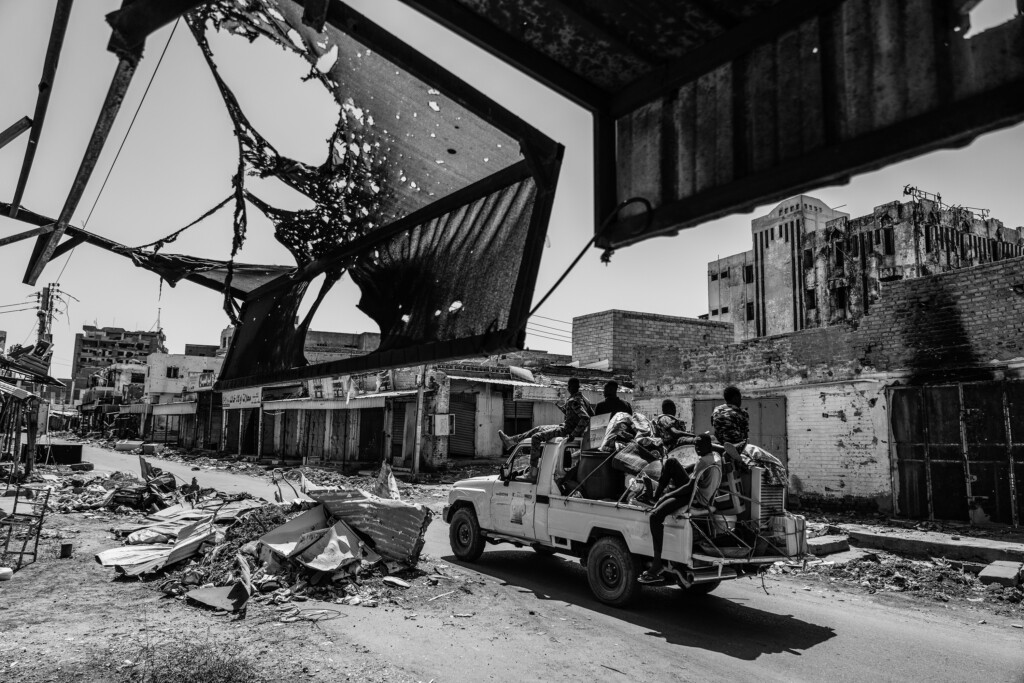
April 1: The International Organisation for Migration (IOM) reports a new wave of displacement in Blue Nile region as fighting intensifies between the SAF, RSF, and SPLM-N.
April 2: Prime Minister Kamil Idris is urged to lift constraints on aviation revenues as Khartoum airport reopens. The SAF appoints Yasser El Atta, member of the Sovereignty Council and assistant to El Burhan, as chief of staff.
April 4: The Health Minister holds a meeting about eliminating trachoma in Red Sea, El Gedaref, and White Nile states, as medical sources warn of a measles outbreak in North and East Darfur. UN Coordinator Denise Brown calls for urgent mine action: “In Sudan, the urgency is stark.”
April 5: Women have been driven “hundreds of years backwards” after three years of war in Sudan, says Hala Al-Karib, regional director of the Strategic Initiative for Women in the Horn of Africa (SIHA).
April 6: As political parties and civilian forces mark the seventh anniversary of the mass sit-in that culminated in the overthrow of former president Omar al Bashir in 2019, the Feminist Justice campaign, which stems from the No to Oppression of Women Initiative, launches. The Sudan Transparency and Policy Tracker (STPT) analyses how the ongoing US–Israeli war on Iran is shaping political debates in Sudan.
April 7: Human Rights Watch (HRW) accuses the SAF of detaining and torturing civilians in areas under their control. United Arab Emirates trade restrictions and regional tensions are deepening the economic crisis and pushing more activity into informal networks, warns STPT.
April 8: An SAF drone attack on a wedding party in Kutum, North Darfur, kills 58 civilians, including 17 children.
April 9: Photos of the Sudan war reap laurels in the 2026 World Press Photo Contest. As the Committee for Removing Empowerment and Dismantling the 1989 Regime (ERC) announces a renewed focus on targeting financial networks abroad, a report reveals the continued appearance of conflict-related Sudanese gold in global supply chains.
April 10: The Sudanese government in Khartoum “might reconsider” dealings with countries organising and sponsoring the upcoming Berlin conference.
April 13: According to the Sudan Constituent Alliance, SAF drones target three localities in East and North Darfur, killing 15 civilians and injuring 17 others; in West Darfur, drone strikes on a customs market in El Geneina kill dozens of civilians. Millions of people are reportedly surviving on one meal a day.
April 14: Whilst Sovereignty Council advisor Amgad Eltayeb holds meetings in Washington to discuss the Sudan war, a drone strikes a market in El Sarif, North Darfur, causing civilian casualties. “Full civilian participation is essential for peace in Sudan,” civil society leaders tell Berlin Conference delegates, as the Sudan Media Forum calls for media independence. “Three years of war in Sudan is three years too many,” laments the UN World Food Program (WFP).
April 15: On the third anniversary of the outbreak of the Sudan conflict, the German government hosts the third international conference on Sudan with France, the UK, US, EU, and AU. The Sudan Quintet says it “remains committed to facilitating an inclusive Sudanese-owned inter-Sudanese political dialogue,” despite the absence of the leaders of the Khartoum and Nyala governments. Co-hosts pledge €1.5 billion in aid for Sudan, but no ceasefire deal is made. In Central Darfur and West Kordofan, over 33 people are killed by drone strikes.
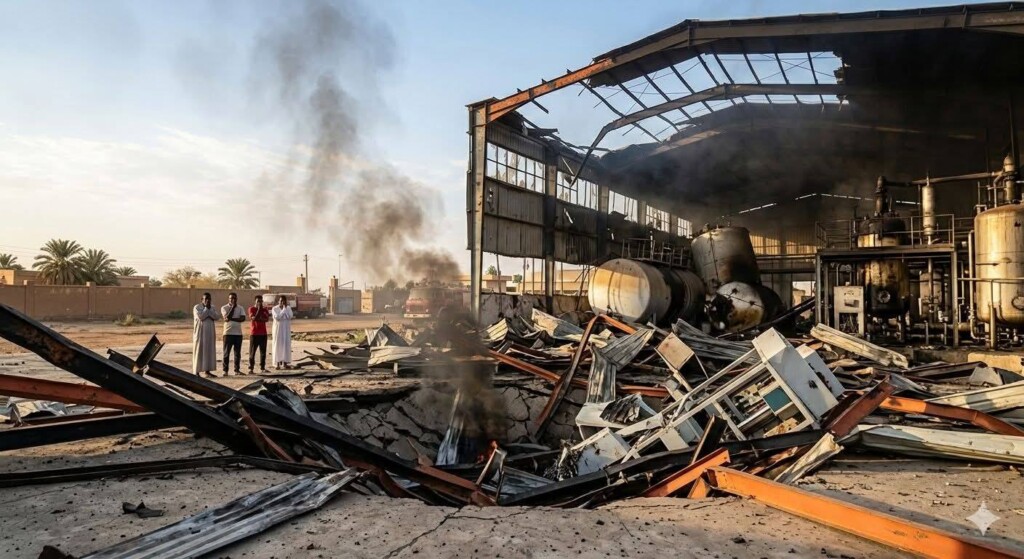
April 16: The Sudanese Journalists Syndicate (SJS) reports a sharp rise in digital harassment and violence against women journalists; meanwhile, a report by Selma El Obeid explores the online propaganda battlefield in Sudan.
April 17: The US imposes sanctions on parties “involved in recruiting former Colombian military personnel to fight on behalf of a paramilitary group in Sudan.”
April 18: The Quintet will organise meetings with those absent from the Berlin conference, says Intergovernmental Authority on Development (IGAD) envoy to Sudan in an interview with Radio Dabanga.
April 19: In West Darfur’s capital of El Geneina, a drone strike hits the Sultan Medical Complex, killing three people and injuring at least one.
April 20: Pakistan puts a weapons deal to the SAF on hold, reportedly following Saudi Arabian intervention. At least 100 civilians have been killed in Delling, South Kordofan, since February, due to increased fighting between the SAF, RSF, and SPLM-N.
April 21: Human rights organisations condemn the “forced deportation” of Sudanese writer Idris Babiker from Egypt, and a rapidly spreading measles outbreak in Darfur and Kordofan regions prompts emergency vaccination campaigns. The IOM warns that the return of over 4 million Sudanese people is a risk amid fragile conditions across the country, as the EU urges a ceasefire and an end to violations.
April 22: 228 inmates and detainees are held in prisons, police stations, and military and security detention centres in Kadugli locality, South Kordofan, according to the Nuba Mountains Observatory for Human Rights.
April 23: The SAF claims that precision military strikes across the Blue Nile, Kordofan, and Darfur over the past three days have inflicted “heavy losses” on the RSF. “Sudanese cannot wait for another conference,” says Chair of the Sudan and South Sudan Forum Marina Peter.
April 24: An aid vehicle transporting emergency shelter kits for the UN Refugee Agency UNHCR to North Darfur is destroyed in a drone strike.
April 25: Sudan’s Forces of Freedom and Change (FFC) begin their second two-day conference in Port Sudan, welcoming calls for national dialogue and free elections, stressing the bloc’s openness to all.
April 26: Over 20 organisations and components of the FFC sign the statute of the Democratic Bloc in Port Sudan. South Darfur reports 125 new measles cases, with 9,025 infections and 105 deaths recorded overall, as children face “breaking point”.
April 27: A report by The Sentry alleges that an “RSF-linked network is tied to a $24 million UAE property portfolio,” and the Port Sudan government bans “luxurious and unnecessary imports.” Four people are killed after a fire breaks out in a Central Darfur camp, as wildfire blazes sweep the region.
April 28: “Twenty years ago, the world united to condemn the suffering of children in Darfur. Today, a new generation of children faces the same horrors,” says UNICEF. Cases of dengue, malaria, meningitis, and hepatitis continue to be reported across Sudan, with perceived successes in one region offset by setbacks in others. Sudanese refugees sustain injuries following an armed attack on Aftit camp in Ethiopia. Toxic gold mining waste “kills camels” in Red Sea state.
April 29: The WFP says that more than 21 million people face acute hunger after 1,000 days of war, with aid at risk of being cut within weeks. In an interview with Radio Dabanga, Sudanese economist Haitham Fathi comments on the ban of “luxurious” imports.
April 30: 17 Sudanese refugees drown in the Mediterranean off the Libyan coast from Tobruk, as Berlin conference co-hosts reaffirm their “guiding principles for a peaceful and durable resolution of this conflict”. As the country continues to slide to the bottom of global press freedom rankings, Sudanese media organisations condemn a directive issued to all media outlets to obtain official operating licences or “face legal action”. The United Arab Emirates (UAE) takes the SAF to court over an ammunition shipment.
MAY
In May, intensified drone attacks strike Khartoum, Darfur, Kordofan, Blue Nile, and White Nile, causing heavy civilian casualties and disrupting Khartoum Airport. The UN reports at least 880 civilians killed in drone strikes between January and April. Cholera and measles outbreaks worsen, while inflation reaches 45.84 per cent. The RSF-backed Tasees government expands its institutions, as international and Sudanese actors renew calls for an inclusive civilian-led political process amid continuing violence.
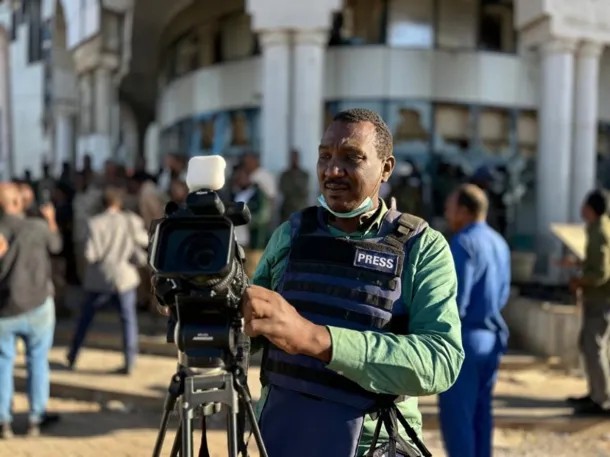
May 2: 30 people are killed and injured in an alleged SAF drone strike on the Balila area in Blue Nile.
May 3: Sudan’s media mark World Press Freedom Day by sounding the alarm over horrific violations against journalists. Health facilities are attacked in Delling, South Kordofan, pushing the city’s healthcare system to the brink of collapse. The RSF launches fresh strikes on Kenana, White Nile state, and Omdurman, Khartoum state.
May 4: The RSF is accused of launching a drone attack on the newly reopened Khartoum Airport. Other locations in Khartoum, Omdurman, and White Nile are also targeted. Journalists gather to celebrate the Sudanese Journalists Syndicate (SJS) winning the UNESCO Press Freedom Prize.
May 5: The SAF accuses the UAE and Ethiopia of involvement in the drone attack on Khartoum Airport, prompting a dangerous turning point for Sudan-Ethiopia relations. Ethiopia denies the accusations, amid widespread condemnation of the attack.
May 6: Flights to and from Khartoum Airport remain suspended for the third day. WFP aid operations to the airport are unaffected.
May 7: The Forum on the Participation of NGOs in the African Commission on Human and Peoples’ Rights (ACHPR), held in Banjul, Gambia, begins.
May 10: Senior RSF leaders survive a drone attack in Nyala, South Darfur. Renewed drone attacks in Blue Nile and Khartoum states pose an exponential threat to children, says UNICEF in an interview with Radio Dabanga.
May 11: RSF commander ‘El Savanna’ announces his defection “to the Sudanese people,” denying reports that he has joined the SAF. UN High Commissioner for Human Rights, Volker Türk, says at least 880 civilians were killed in drone strikes across Sudan between January and April.
May 12: Following the ACHPR forum, a joint declaration calls for an inclusive civilian-led political process to resolve the war. The Sudanese delegation rejects the document. The MSF warns of a surge in drone attacks on civilian areas across Sudan, as French President Emmanuel Macron describes the situation as “mass crimes, war crimes, and a catastrophic humanitarian situation,” while avoiding the term “genocide”.
May 13: The Sudan Founding Alliance (Tasees) government, founded by the RSF, continues to formalise institutions in areas under its control to seek legitimacy and international recognition.
May 14: Drone attacks continue in Nyala for the fourth day. The RSF claims control of the Mogja area in Blue Nile state.
May 16: Three people are killed in an armed ambush on the Gireida–Buram road in South Darfur.
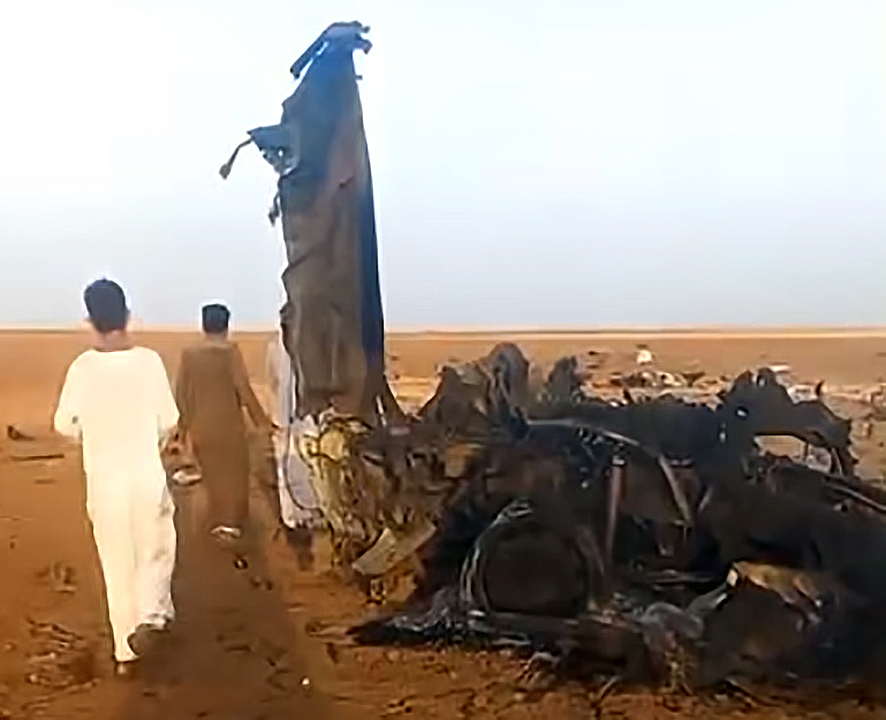
May 18: Inflation surges to 45.84 per cent as the Sudanese pound weakens further. At least five people are killed in an explosion caused by an unidentified weapon that struck a sheep truck near Abu Talha, Kassala state.
May 19: SAF drones strike Kauda in South Kordofan, El Daein in East Darfur, and Babanusa in West Kordofan, resulting in deaths and injuries. Sudan’s former energy minister calls for a national energy charter to rebuild the state and prevent fragmentation.
May 20: In an interview with Radio Dabanga, ICRC spokesperson for Sudan, Adnan Hazam, responds to measures introduced by the Tasees government. A youth leader is detained for refuting the “false and misleading” narrative on the deadly Abu Talha blast.
May 21: RSF advisor, El Basha Tebeig, describes the Sudan army’s drone attacks as “systematic”. The Sudanese embassy in Kampala issues an Ebola warning as Uganda is on high alert.
May 22: A key Kordofan region aid route reopens, as the UN warns over rising civilian deaths as violence escalates across the region.
May 23: On International Day to End Obstetric Fistula, hundreds of women in the Tina area on the Chad-Sudan border wait for surgery.
May 24: “Sudan’s civil war is no longer merely dividing territory; it is steadily partitioning the country’s monetary system,” says STPT, as livestock markets across the western regions bustle ahead of Eid El Adha. Political and civil society groups launch a new campaign against racism and hate speech.
May 25: Cholera kills 40 people in West Kordofan, and measles spreads in East Darfur, as recent moves by the UN Special Envoy to Sudan, Pekka Haavisto, spark widespread political debate and media analysis. A United Nations Development Programme (UNDP) study finds $3 billion worth of damage to the country’s electrical grid since the war broke out, and the Iran war poses a threat to harvests.
May 26: Sudan’s rival leaders use Eid El Adha to promote sharply competing visions for the country’s future, as political forces react to a new call for dialogue amid the continuing war. The Tasees government announces an extension of the registration and accreditation period for international and national organisations until June 13.
May 27: The Sudanese Declaration of Principles Forces coalition signs a new political charter under the slogan ‘Towards Building a New Nation’. An RSF attack on villages west of Bara in North Kordofan’s Azhaf area leaves at least 58 people dead.
May 28: At least 175 farmers in Northern State face imprisonment for defaulting on bank loans following a failed winter harvest. Tribal clashes erupt between the Salamat and Bani Halba in Kubum, South Darfur.
May 30: Meetings due to take place at the start of June, aimed at bringing together all Sudanese parties in Addis Ababa, Ethiopia, who did not take part in the Berlin conference in May, are in jeopardy. A drone strike on two civilian vehicles travelling on the Abu Zabad-El Fula road in West Kordofan kills 10 civilians.
JUNE
June is also marked by intensified drone attacks and shifting frontlines across the Kordofan and Darfur regions, along with Blue Nile state, with repeated strikes on El Obeid raising fears of mass atrocities. The RSF expands territorial claims and the Tasees government consolidates its institutions. Humanitarian conditions worsen through displacement, conflict-related sexual violence, and infrastructure damage. International actors renew calls for civilian-led dialogue, while new US sanctions and debt relief from China highlight Sudan’s growing diplomatic and economic challenges.
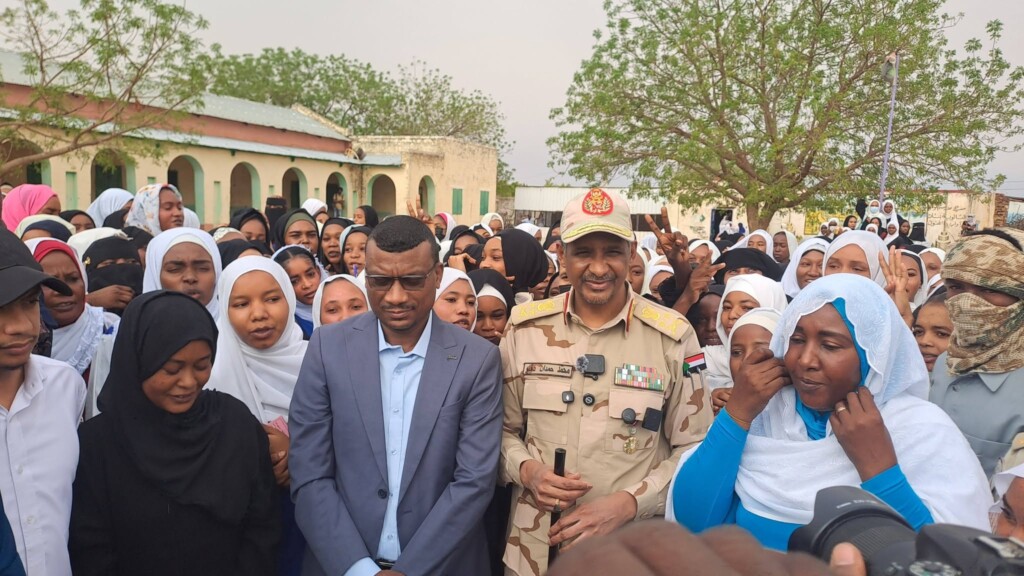
June 1: Hemedti issues a decree to form a Security and Defence Council of the Tasees government in Nyala, as fighting between the Salamat and Bani Halba tribes continues for a fourth day, including a drone strike which kills 20.
June 2: Radio Dabanga is nominated for the 2026 IPI-IMS Free Media Pioneer Award. Divisions emerge within the Democratic Bloc ahead of Sudanese-Sudanese talks in Addis Ababa, as the Tasees government condemns a drone attack on the market in Kubum, South Darfur.
June 3: UN Population Fund (UNFPA) describes parts of the capital Khartoum as a “ghost town”. The SJS says it has provided social support to more than 1,000 journalists since the start of the war.
June 4: At least nine civilians are killed in a drone attack on the town of Kubum.
June 5: On World Environment Day, Sudan ranks 4th among 186 countries most affected by climate change.
June 6: 11,630 people were displaced between June 4 and 6 alone following clashes in Kubum, says IOM.
June 7: At least 15 civilians are killed and dozens more injured in a series of drone attacks in and around El Obeid over the weekend.
June 8: A Darfur advocacy group says air strikes and drone attacks killed at least 470 people between March 2024 and January 2026. A group of international and regional powers endorses a civilian-led political dialogue aimed at restoring civilian rule within six months.
June 10: The Sudanese embassy in London condemns a knife attack in Belfast that left a man seriously injured and sparked unrest across parts of Northern Ireland. An alleged joint RSF and SPLM-N drone strike on Delling kills at least five SAF soldiers, as an SAF drone strike in Sudri locality, North Kordofan, kills four civilians.
June 11: The death toll in El Obeid rises to 23 amid ongoing RSF drone strikes.
June 14: The Attorney General calls on the UN Human Rights Council (OHCHR) to support the government’s initiative to end the war.
June 15: A large-scale demolition campaign across Khartoum state has displaced hundreds of thousands of people, according to a new Sudan Knowledge Centre (SKC) report. Meanwhile, the fire season has displaced 24,171 people between January and May this year, says the IOM.
June 16: The MSF sacks 18 staff in eastern Chad for sexual exploitation of Sudanese women and underage girls in 2024. The UK denies Sudanese journalist Mohamed Amin a visa to attend the One World Media Journalist of the Year award ceremony, for which he had been shortlisted.
June 17: Multiple sources confirm the defection of Fares El Nour from the RSF, a senior figure within the paramilitary group and a “virtual Wali of Khartoum”. Meanwhile, African human rights advocates urge the OHCHR to extend the mandate of its independent fact-finding mission, as a new US bill prohibits loans or aid to Sudan.
June 18: The Tasees government suspends MSF operations over 2024 abuse allegations in Chad, whilst an EU delegation visit prompts pundits to discuss whether the bloc is forming a new political engagement or attempting to exert pressure from within. The SJS calls for the swift resettlement of Sudanese journalists under threat in Libya.
June 19: The RSF claims control of the Orshi Reservoir area in Ambro locality, North Darfur.
June 20: The RSF announces that it has seized the Surkum area in the Blue Nile region amid escalating clashes with the SAF. International bodies warn that El Obeid could become another El Fasher.
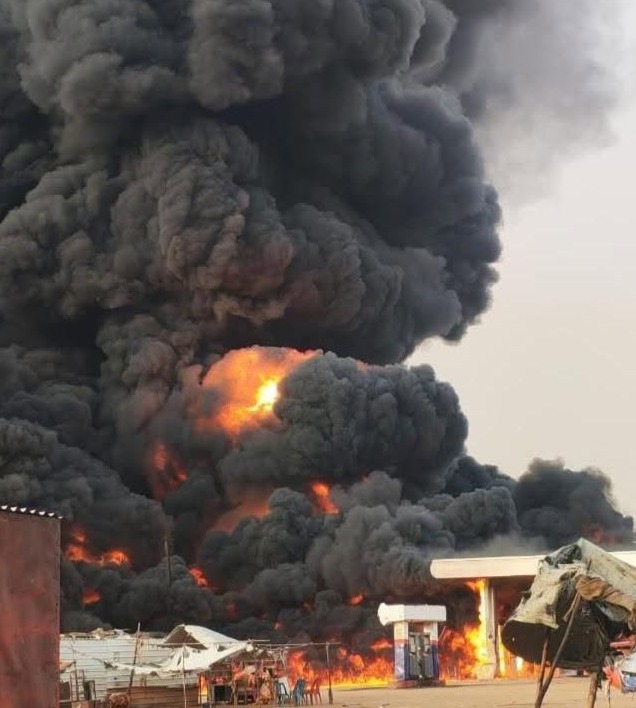
June 21: Egyptian forces arrest 67 Sudanese miners and wound three others during a raid in the Wadi El Atri area. Sources in White Nile state report a drone strike on a fuel station in Kosti.
June 22: El Burhan promises to investigate reports that Egyptian forces attacked Sudanese miners near the border, as Human Rights Watch (HRW) calls on the SAF to hold RSF defectors to account for alleged war crimes.
June 23: A new UN Human Rights (OHCHR) report lays bare the brutality and magnitude of conflict-related sexual violence in the country. The SAF claims to have seized a strategic area in Blue Nile state. In North Darfur, the RSF claims to have seized Ambro town, and a drone strike in Mellit kills at least 14 people.
June 24: International concern over a possible RSF assault on El Obeid builds, as opposition grows to proposed Chinese copper mining in Red Sea state. The RSF announces that its forces took control of Furuawiya, east of Ambro town.
June 26: A new round of US sanctions bars Sudanese airlines and those “fuelling the war,” leading to potential complications in finance and commerce.
June 27: Repeated drone strikes on El Obeid kill and injure civilians throughout the week, damaging key infrastructure and deepening shortages of fuel, water and bread.
June 28: “Monetary and admin measures will not halt Sudanese Pound decline,” says economist Wael Fahmi in an interview with Radio Dabanga. The Joint Forces announce the recapture of Abu Gamra in Karnoi locality, North Darfur, following clashes with the RSF.
June 29: China forgives $50 million of debt, writing off four interest-free loans owed by Sudan. The SAF claims control of a strategic Chadian border town in West Darfur after clashes with the RSF, as the SAF gets closer to securing the route towards El Kurmuk, Blue Nile.
June 30: The OHCHR announces an urgent debate on the situation in El Obeid later this week, with Britain’s envoy warning of large-scale atrocities. 500 families are reported to be displaced to Karnoi as the fighting in North Darfur intensifies, with reports of ethnic cleansing.
Previous timelines
Sudan timeline January-March 2026: Communities shattered amid explosive international events
Sudan timeline October-December 2025: ‘A collective failure’ to end a brutal war
Sudan timeline July-September 2025: Daily attacks, disease, and disaster obscure plans for peace
Sudan timeline April-June 2025: Bleak hope emerges against bloody reality of conflict
Sudan timeline January-March 2025: Power shifts as army wins major battle grounds in destructive war
Sudan timeline October-December 2024: Reports of famine and calls for peace overshadowed by war
Sudan timeline July-September 2024: Thousands starving as war continues without mercy
Sudan timeline April-June 2024: Sudan war ‘remains overlooked by international community’
Sudan timeline January-March 2024: Sudan becomes ‘the largest humanitarian crisis in the world’
Sudan timeline October-December 2023: War deepens Sudan’s suffering
Sudan timeline July-September 2023: Sudanese ‘in survival mode’
Sudan timeline April-June 2020: Covid-19 marks all aspects of life, inflation soars
Sudan timeline January-March 2020: Little relief to the country’s economic, security woes
Sudan timeline October-December 2019: Interim government put to the test
Sudan timeline July-September 2019: Turbulent transformation from tyranny
 and then