





Campaigner: ‘Sudan war has pushed women hundreds of years back’
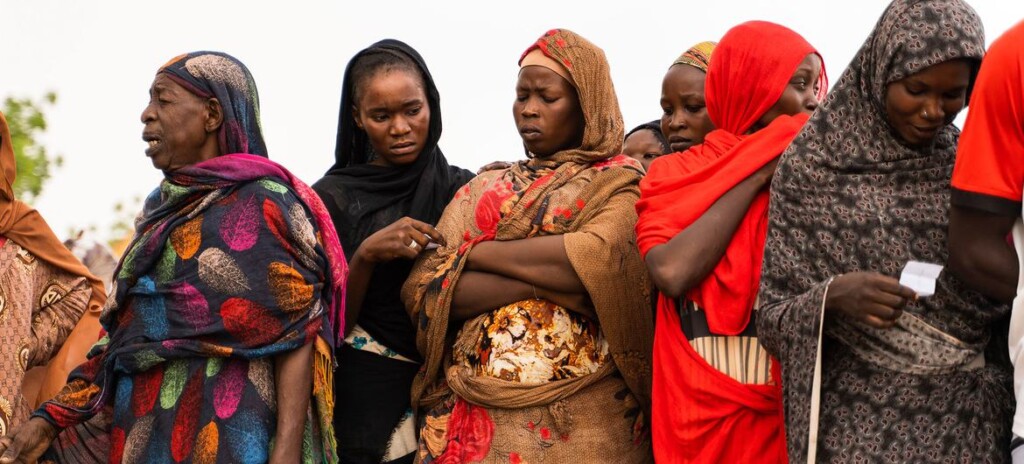
Sudanese women waiting for aid distribution in Wad Madani, El Gezira, Sudan (File photo: UNOCHA / Ala Kheir)
Women in Sudan have been driven “hundreds of years backwards” after three years of war, according to a leading regional activist, amid mounting evidence of widespread sexual violence, forced labour and systematic repression across the country. Hala Al-Karib, regional director of the Strategic Initiative for Women in the Horn of Africa (SIHA), says sexual violence and exploitation had become pervasive – even in areas previously considered relatively safe, including Khartoum and El Gezira.
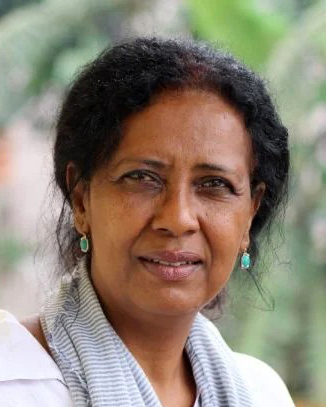
Speaking to Radio Dabanga, Al-Karib described areas under the control of the Rapid Support Forces (RSF) as ‘closed prisons’ for women, where they face enslavement, forced labour, and torture.
Violence everywhere
Al-Karib says the spread of sexual violence is driven by poverty, food insecurity and the absence of effective protections for women, alongside what she described as entrenched impunity for armed actors.
Women across central, northern and eastern Sudan are being routinely detained on accusations of collaboration, she says, often shaped by cultural and ethnic profiling. Girls are also subject to sexual exploitation.
While women and girls remain the majority of victims, Al-Karib warned that sexual violence against men and boys – particularly in Darfur – is underreported due to stigma.
“This is a reality,” she says. “Medical systems must be prepared to deal with these cases because of the severe psychological and physical consequences.”
As reported by Radio Dabanga last week, the medical NGO Médecins Sans Frontières (MSF) reported treating 3,396 survivors of sexual violence between January 2024 and November 2025, of whom 97 per cent were women and girls. The organisation stressed that the figure represents only “a small fraction” of the true scale.
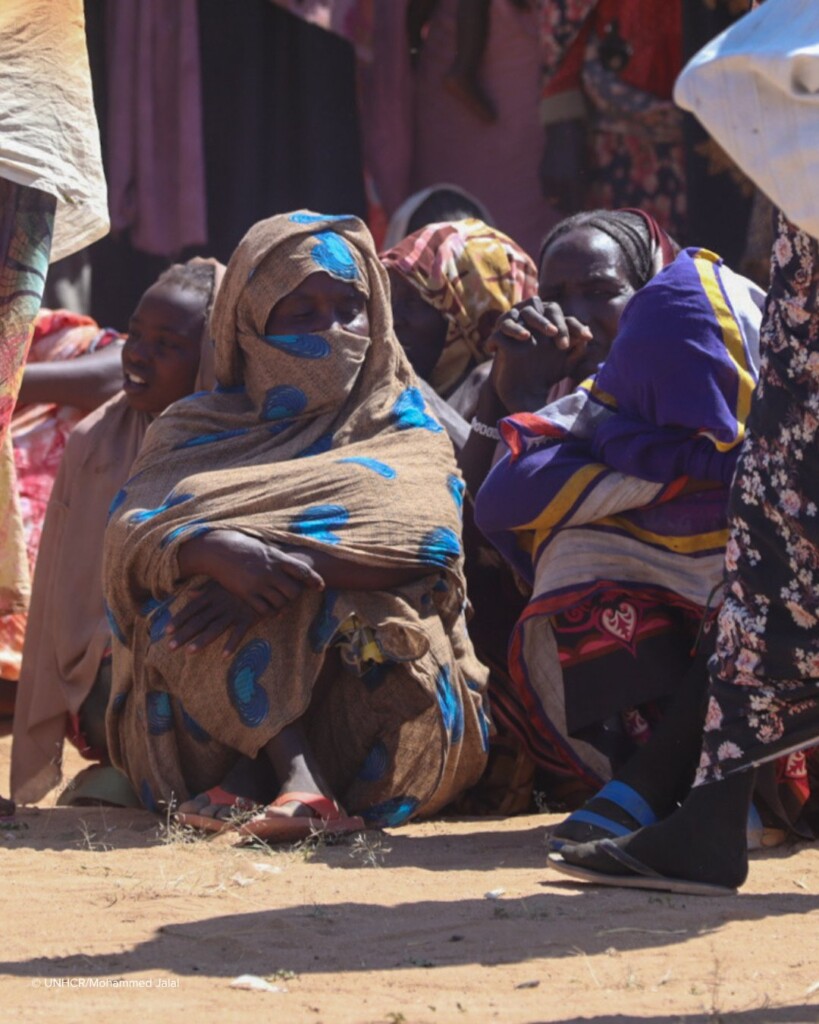
MSF said the abuses form part of “collective punishment inflicted on civilians” along ethnic lines, with RSF fighters and allied groups using sexual violence as a weapon of war and a systematic tool of subjugation, in violation of international humanitarian law.
‘We receive cases from El Obeid and Dilling, but we have no clear picture from many areas under RSF control…’
Catastrophic conditions
Al-Karib described conditions for women in RSF-controlled area as “catastrophic”, noting that access constraints have prevented documentation in parts of North Darfur and Kordofan.
“We receive cases from El Obeid and Dilling, but we have no clear picture from many areas under RSF control,” she says.
MSF’s latest reporting documented approximately 3,700 cases of sexual violence within a year, most involving gang rape. “This is an unprecedented targeting of women in Sudan’s history,” Al-Karib adds.
She also highlighted the lack of reliable data from Blue Nile state, where documentation efforts are only just beginning.
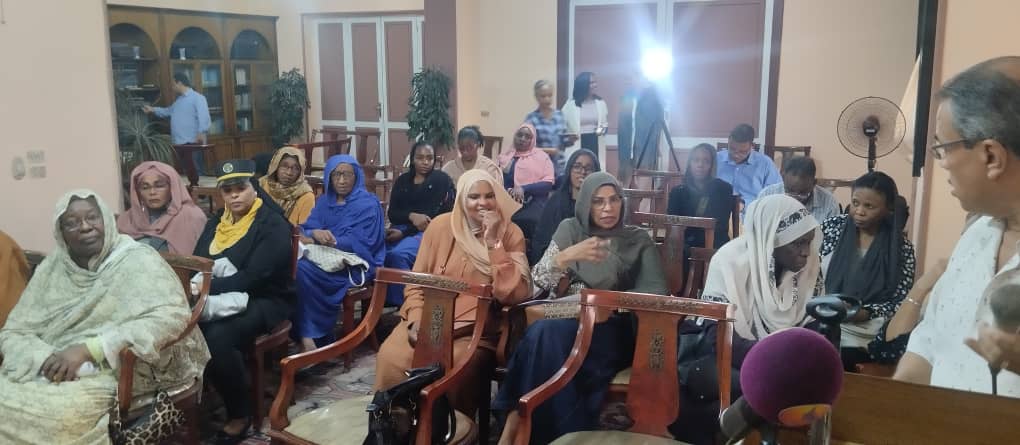
‘The war has deliberately targeted women as a means of dismantling civil and democratic life…’
Systematic targeting of women
According to Al-Karib, the war has deliberately targeted women as a means of dismantling civil and democratic life.
“For years, women struggled to claim space in public life,” she says. “This war has struck at that directly.”
She accused armed groups of using women’s bodies to “defeat communities” and undermine their capacity for political expression and negotiation.
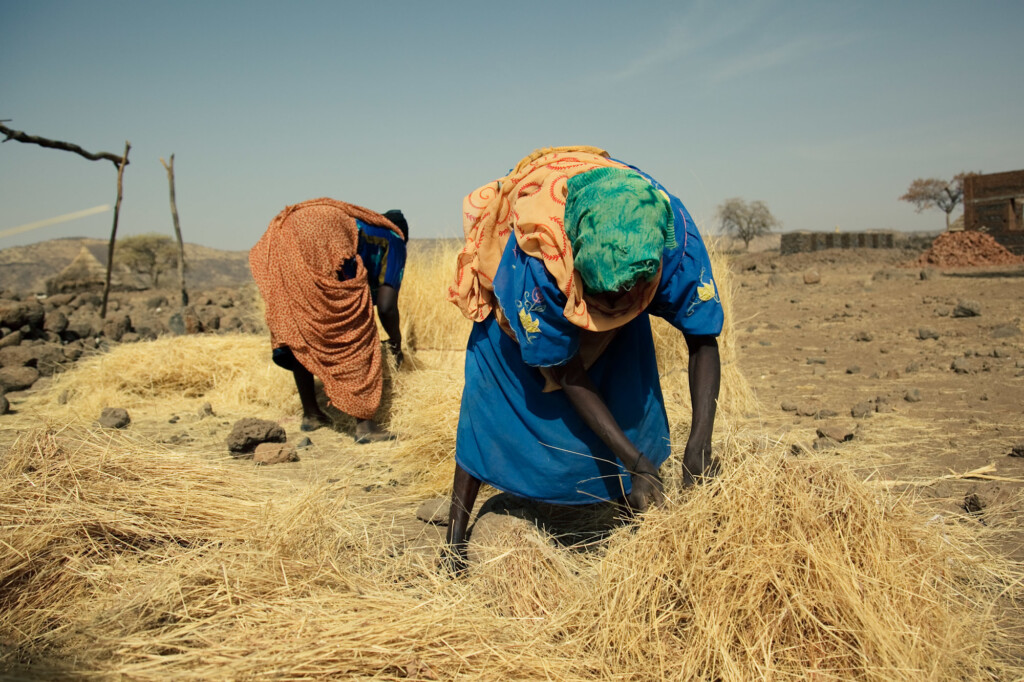
Beyond sexual violence, she says women have lost livelihoods, savings and small businesses, while suffering profound psychological trauma that will be difficult to heal.
Stripped of rights
The conflict has also deprived millions of girls of education and driven a surge in child marriage, Al-Karib says.
She warned of rising rates of sexually transmitted infections, including HIV, alongside increased maternal mortality due to the collapse of healthcare systems.
‘The conflict has deprived millions of girls of education and driven a surge in child marriage…’
Large numbers of women farmers have lost their economic independence, weakening food security, while decades of grassroots women’s organising have been severely disrupted.
“There is a growing normalisation of sexual violence,” she says, pointing to high levels of impunity among armed groups.
Documented abuses
The SIHA network says both sides in the conflict had committed grave abuses against women, including killings, rape, detention and enforced disappearance.
In a report published in December 2025, the organisation documented more than 1,290 cases of sexual violence during the war, describing it as systematic and intensifying alongside shifting frontlines and mass displacement.
Women face heightened risks while fleeing conflict zones or passing through military checkpoints, where rapes have been reported amid near-total absence of services.
SIHA also documented the detention of 1,120 women in army-run facilities across Wad Madani, Gedaref, Port Sudan, and Dilling, accused of collaborating with the RSF – including pregnant women. The group said women have been held for extended periods in their homes, subjected to torture, gang rape and forced marriage as the conflict continues to expand.

 and then