





STPT: ‘Sudan’s monetary system is fractured by war’
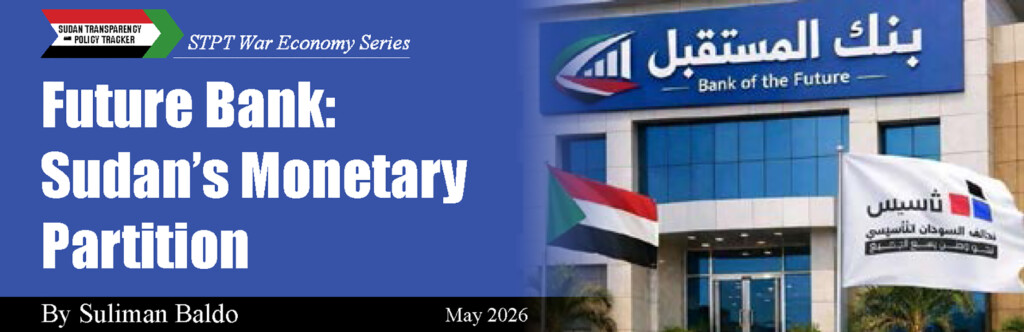
Sudan’s civil war is no longer merely dividing territory; it is steadily partitioning the country’s monetary system. A new report by Suliman Baldo for the Sudan Transparency and Policy Tracker (STPT) traces how the emergence of the RSF-aligned El Mustaqbal ‘Future’ Bank and its affiliated digital transfer application reflects the deepening institutional rupture between areas controlled by the Rapid Support Forces (RSF) and those held by the Sudanese Armed Forces (SAF). What began as an improvised response to acute cash shortages and the collapse of conventional banking has evolved into a broader attempt by the Sudan Founding Alliance ‘Tasees’ government to establish parallel financial authority.
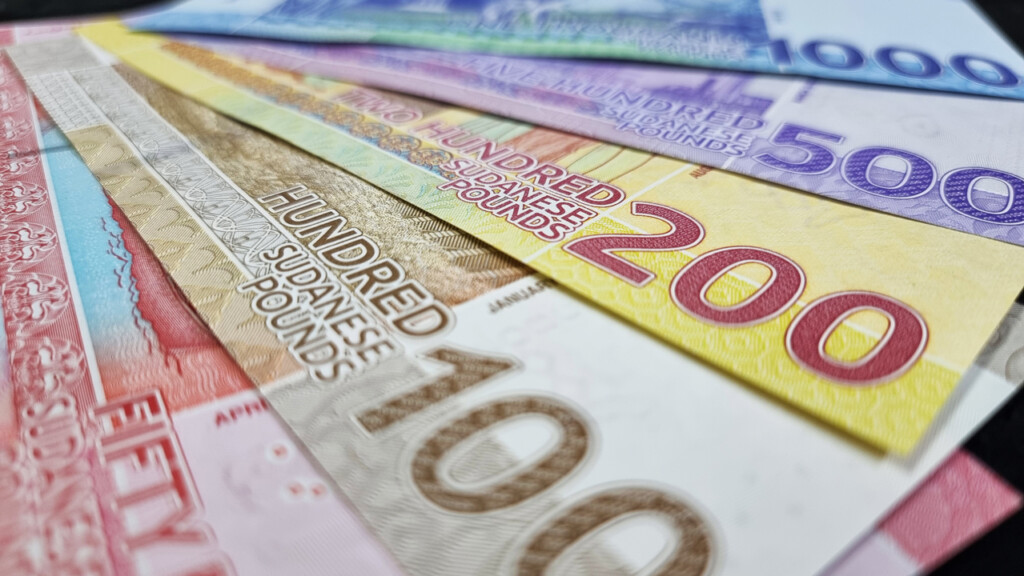
The report describes a landscape in which dwindling access to banknotes, contested currency reforms and the erosion of central banking authority have accelerated economic fragmentation. In RSF-controlled areas, traders, civilians and local administrations increasingly rely on alternative monetary practices, including the Future Money Service application and old Sudanese Pound notes whose legal status is disputed. Meanwhile, Sudan’s official central bank has introduced redesigned banknotes and currency exchanges that largely exclude RSF territories, reinforcing the emergence of rival financial systems.
The report argues that these developments are not merely technical adjustments to wartime scarcity. They are symptoms of a broader political and economic disintegration in which competing authorities seek legitimacy through monetary control. Future Bank may alleviate liquidity shortages in Darfur and facilitate trade and remittances, yet it also risks entrenching a wartime economy dominated by armed actors, informal taxation and opaque commercial interests.
Ultimately, Baldo’s report portrays Sudan’s monetary fragmentation as both a consequence and a driver of state collapse. Without a negotiated settlement and restoration of unified financial governance, the country risks drifting from temporary wartime improvisation into a durable economic partition.
“One cannot ignore the severe humanitarian and economic consequences of the non-availability of newly issued high denomination bills to the region and the closure or dysfunction of banks in RSF areas such as Darfur, because of which both traditional and electronic means of value exchange have become nearly nonexistent,” Baldo concludes. “This lack of banking options is exacerbating the humanitarian situation.”

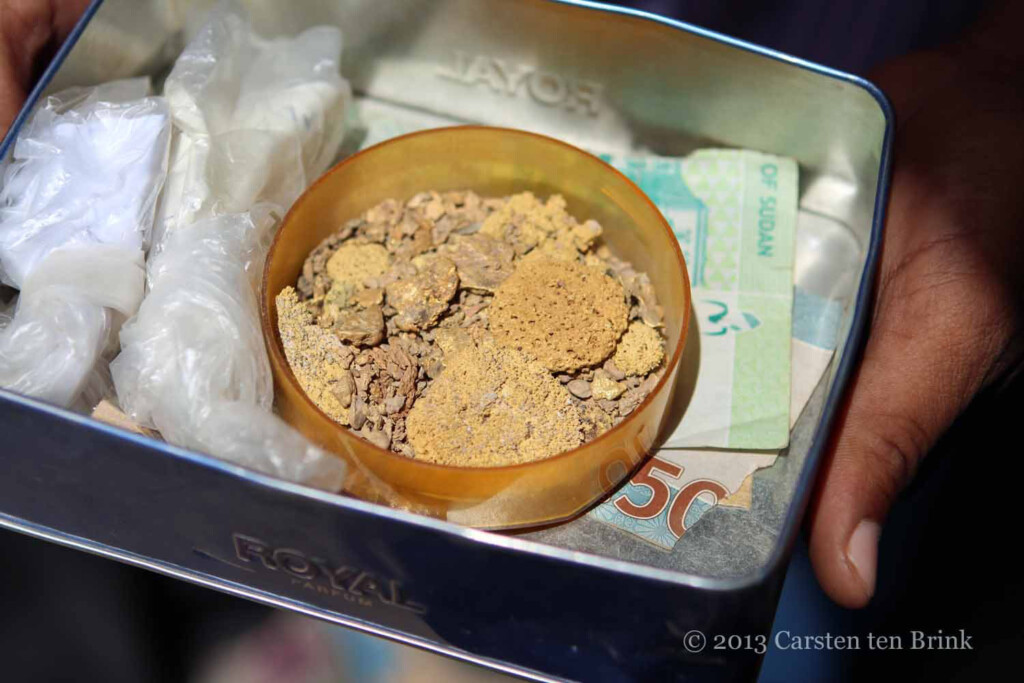
At the same time, Baldo says that large quantities of gold, gum arabic, ground nuts, sesame, livestock, and other agricultural products are being locally produced, traded, and smuggled through neighboring countries, without an effective mechanism to pay local producers for them. “This near financial and monetary vacuum has created fertile ground for the emergence of such alternative practices,” he concludes.
Background
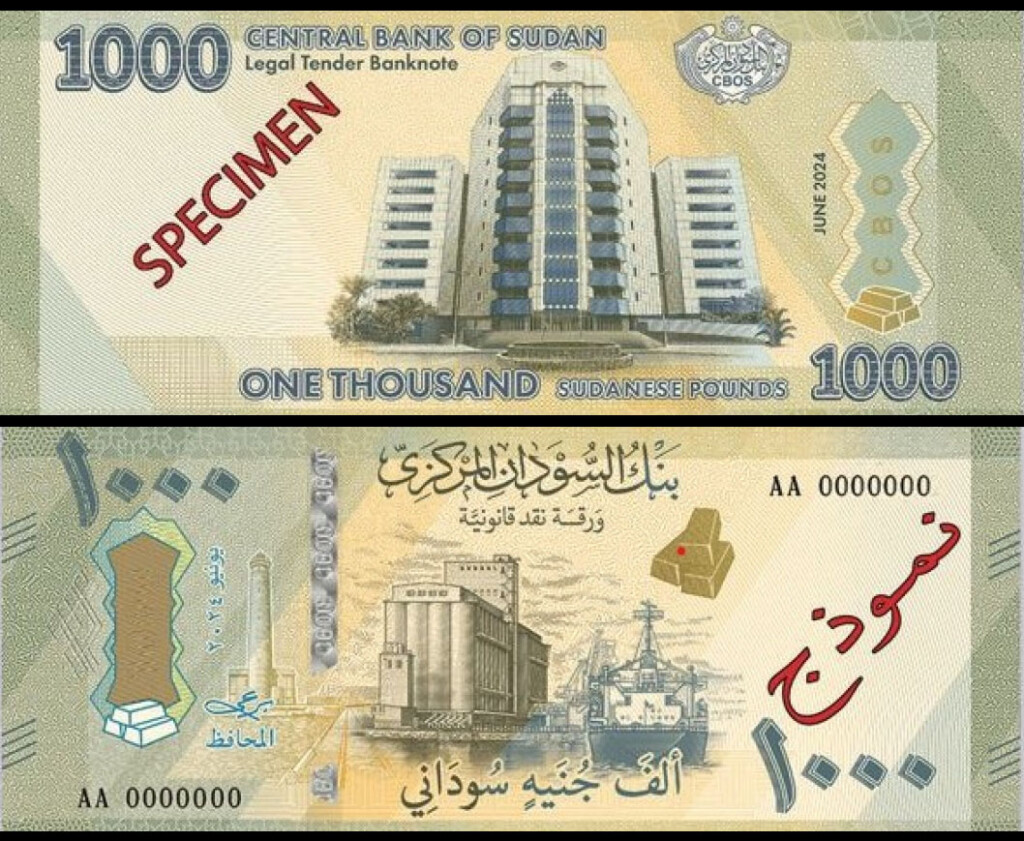
In November 2024, the Central Bank of Sudan introduced new designs of the SDG 1,000 and 500 notes and limited their exchange to bank account holders, effectively excluding RSF-controlled areas from access to the new banknotes.10 The RSF responded by declaring the older banknotes legal tender in RSF territories.
Although residents of RSF-controlled areas continued to rely on national bank transfer applications— predominantly ‘Bankak’ operated by the Bank of Khartoum, many reported to local media that funds in Bank of Khartoum savings accounts linked to Bankak, disappeared or were frozen on the basis of questionable legal complaints reportedly filed in SAF-controlled areas and/or on suspicions that larger balances were linked to financing of the RSF operations. This has led to economic stagnation and a reluctance to use the application as transfer offices raised the discount rate for cash transfers to 30 per cent.
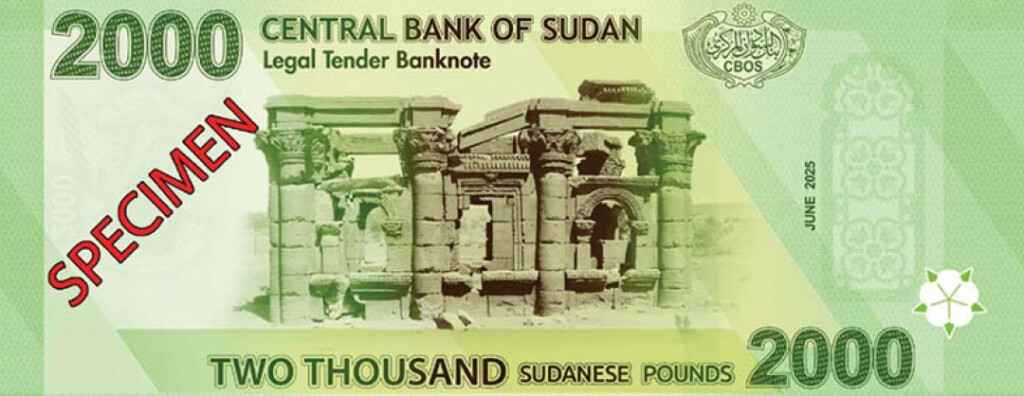
Severe cash shortages accelerated the physical deterioration of currency in circulation. Cross-border trade from RSF areas, meanwhile, relied on multiple currencies, including the South Sudanese Pound, the Chadian Franc, the Libyan Dinar, and the US Dollar.
(Source: STPT)


 and then