




Red Cross helps 38,500 families reconnect as Sudan’s missing-person crisis deepens

By Suleiman Siri for Radio Dabanga
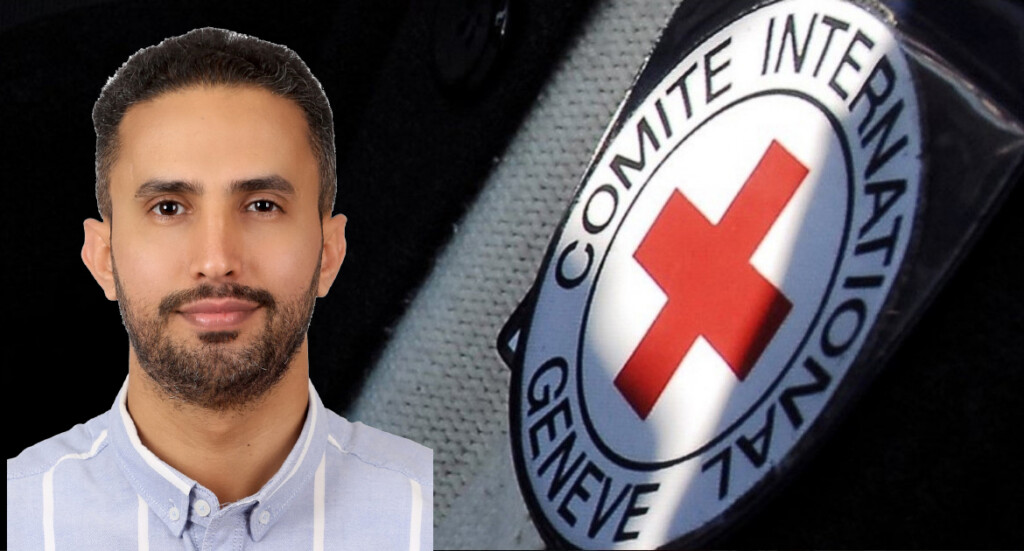
More than 11,000 people are now registered as missing in Sudan, a 40% increase in the past year, as the war fuels displacement, arrests, and disappearances, according to the International Committee of the Red Cross (ICRC). The ICRC has helped 38,512 families reconnect or maintain contact with relatives, while clarifying the fate and whereabouts of 613 missing people in the first half of 2026, its spokesperson in Sudan, Farid Al Humaid, told Radio Dabanga.
The issue of people who have disappeared or gone missing is no longer simply a matter of figures in human rights and media reports. It has become a grave concern for families, communities, and international and local organisations as disappearances become increasingly common as the war spreads.
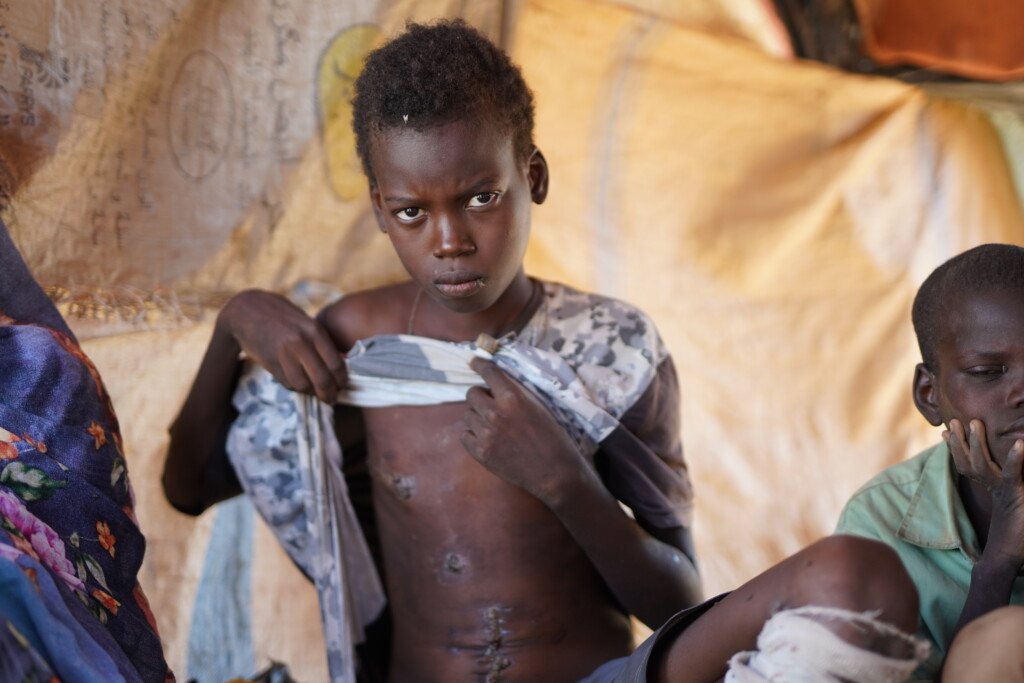
The crisis has worsened amid waves of displacement, as civilians flee fighting between the army and the Rapid Support Forces (RSF). After battles end, campaigns of arrests often follow, with people accused of political or ethnic affiliation. In many cases, relatives are denied information about detainees, leaving families in a cycle of anguish, uncertainty, and psychological distress.
Organisations searching for missing people face major obstacles, including a lack of coordination and the absence of a central database recording people who have disappeared or gone missing. The absence of legislation criminalising enforced disappearance has also contributed to the lack of specialised prosecution and courts.
For international organisations such as the ICRC, access to detention facilities remains a major challenge. Disrupted communications networks in some areas, combined with the direct impact of the conflict, have further complicated field coordination.
Field coordination
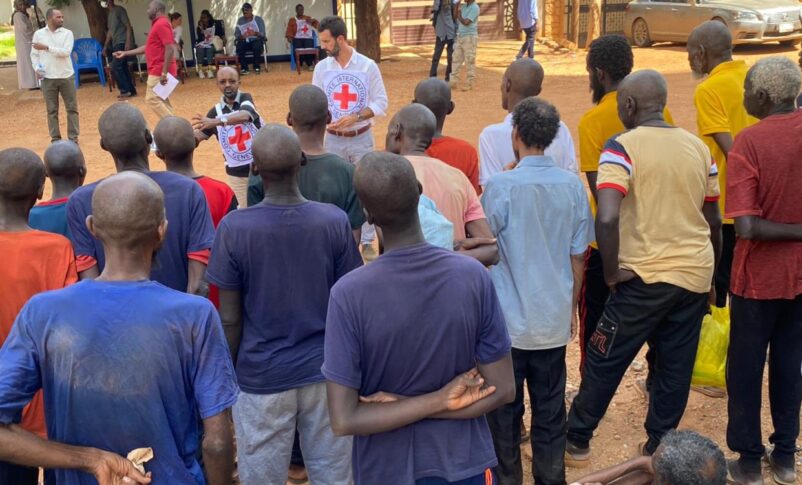
Al Humaid says field coordination depends heavily on the ICRC’s partnership with the Sudanese Red Crescent Society, whose volunteers are present on the frontlines and are well placed to reach vulnerable communities and act as a link between the ICRC and the people it serves.
“In the first half of 2026 alone, the ICRC and the Sudanese Red Crescent Society provided assistance to 1,973 people through telephone calls and field visits, including through the ICRC’s Restoring Family Links hotline,” he says. “In addition, we helped 38,512 families reconnect or maintain contact through our free telephone service.”
Families searching for missing relatives can contact the ICRC, the Red Cross, or Red Crescent societies where they are based, or call the ICRC’s free Restoring Family Links hotline from inside Sudan on 60222, Al Humaid tells Radio Dabanga.
In 2025, the ICRC clarified the fate and whereabouts of 846 missing people registered with it, providing their families with some reassurance and an end to the uncertainty they had endured.
During the first half of 2026, the ICRC also provided wireless internet services to 7,630 people and mobile phone charging services to 7,226, helping people maintain contact and avoid losing communication during emergencies.
Preventing disappearances
The only real guarantee against disappearances being repeated is strict adherence to international humanitarian law by all parties involved in hostilities, Al Humaid says.
“We continue to urge all these parties to take every possible measure to prevent people from disappearing,” he says.
This includes registering the identities of everyone who is detained or displaced, allowing detainees to communicate with their families, clarifying the fate of people who disappear, and ensuring that the remains of the dead are managed safely and with dignity.
The ICRC says it maintains confidential and ongoing dialogue with authorities and armed actors to incorporate these obligations under international humanitarian law into their operational procedures.
Al Humaid told Radio Dabanga that the ICRC’s biggest obstacles concern access to detention facilities, which is currently severely restricted. Disrupted communications networks in some areas and the direct impact of the conflict have made field coordination even more difficult.
Despite the challenges, the ICRC continues to engage in bilateral and confidential dialogue with all parties to the conflict to seek safe, unimpeded, and sustained humanitarian access, including to detention facilities.
“In these discussions, we remind them of their obligations under international humanitarian law to respect minimum standards, ensure detainees can be traced, treat them with dignity, and meet their basic needs,” Al Humaid says.
Missing or forcibly disappeared?
There may be some overlap between detainees and victims of enforced disappearance, Al Humaid says. A family may consider a relative missing if they receive no information about their fate or whereabouts after the person has been arrested or detained.
However, not every case of detention without notification necessarily constitutes enforced disappearance. The term has a specific legal meaning, and determining whether it applies requires an assessment of the individual circumstances of each case.
Families regularly contact the ICRC about relatives they believe may have been arrested or detained. The organisation records these requests and, through confidential bilateral dialogue with the relevant authorities, seeks to establish the fate and whereabouts of the people concerned and, where possible, help restore contact with their families.
As a neutral and independent humanitarian organisation, the ICRC does not publish detailed statistics on individual cases in which missing people are found in detention or dead during search efforts.
“This confidential approach is essential,” Al Humaid says. “It enables us to secure access, search for missing people on behalf of their families, and ultimately obtain answers for them, without politicising the process or putting our access to vulnerable people at risk.”
Three-part response
The ICRC is carrying out a comprehensive response in close coordination with the Sudanese Red Crescent Society, centred on three areas: restoring contact, searching for missing people, and managing human remains.
The organisation operates a Restoring Family Links hotline and provides direct services, including free telephone calls and Wi-Fi, to gather initial information and help families maintain or restore contact, particularly during emergencies such as displacement.
ICRC teams and Sudanese Red Crescent volunteers collect requests to search for missing people and conduct searches on behalf of their families.
The ICRC also supports relevant authorities and the Sudanese Red Crescent Society in managing human remains safely and with dignity. This includes distributing body bags, rehabilitating mortuaries, and training first responders and forensic workers in safe burial practices.
Such measures are crucial for ensuring that people can be identified in the future, Al Humaid concludes.
Note: This report has been translated from Arabic with the assistance of artificial intelligence tools, and subsequently reviewed and adapted by a human editor before publication.


 and then