




MSF sacks 18 staff in eastern Chad for sexual exploitation of Sudanese women and underage girls in 2024
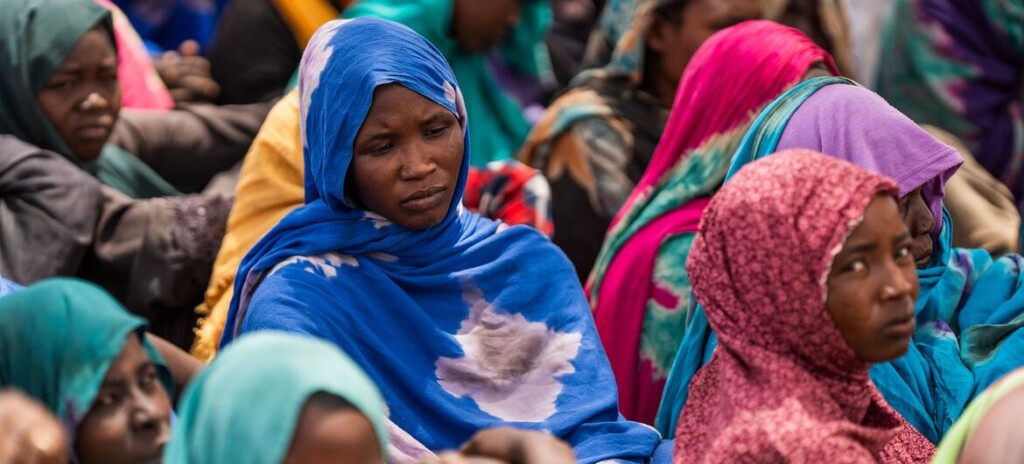
Sudanese refugees in Koulbous, Chad, near the border with Sudan . Chad, which is now home to close to a million Sudanese refugees who have fled the war in Sudan, 88 per cent of them women and children - Archive photo for illustrative purposes - no person depicted was invloved in the events referred to in the current article (File photo: MSF)
The medical NGO Médecins Sans Frontières (MSF) has confirmed that 18 members of its staff in eastern Chad have been dismissed for serious misconduct, “and are now barred from working with MSF”, after “serious allegations of sexual exploitation and abuse were reported by Sudanese refugee women” dating form 2024. Responding to questions from Radio Dabanga yesterday, MSF press liaison acknowledged that in late 2024, serious allegations of sexual exploitation and abuse were reported by Sudanese refugee women against MSF staff in eastern Chad.
“In response, MSF immediately sent multiple investigation teams to proactively detect and investigate cases. While some of the 59 allegations were corroborated by the review, others remained unverified, as in some cases neither victims nor perpetrators could be identified,” the statement says.
“Where investigations established serious misconduct, immediate disciplinary action was taken. As a result, 18 staff have been dismissed and are now barred from working with MSF.”
The medical relief organisation underscores: “This misconduct represents a serious breach of MSF’s values and responsibilities, and we deeply regret the harm caused. We continue to work to strengthen our prevention, detection and response systems. We encourage staff, patients, and community members to report to us any misconduct, and are committed to ensuring that our reporting channels are safe, accessible and trusted.”
Asked whether any criminal charges have been laid against perpetrators, MSF insists: “Regarding sexual abuse or harassment, MSF respects and supports the wishes of the survivor on whether to bring the matter to the authorities.” MSF declined to provide further details, reiterating that “the protection of survivors is our priority and maintaining their confidentiality is part of that protection.”
These questions were prompted by a report carried by the Associated Press on Saturday, which revealed that according to a confidential internal memo obtained by AP, MSF found a pattern of abuse and sexual exploitation by some local and foreign staff working in Chad along the Sudanese border, in some cases targeting underage girls or trading food or jobs for sex with refugees.
According to the report, MSF investigated several cases in which refugee women were allegedly exploited in exchange for food, water, and milk. Investigators also documented allegations of sex in exchange for work and cases of prostitution involving refugee women, including underage girls.
The report referred to a building within a refugee camp where staff members were reportedly seen seeking out girls. It also stated that community leaders had imposed a curfew to prevent young girls from “visiting” MSF employees.
In one incident detailed in the report, seven refugee girls who were allegedly employed as day labourers were transported in an MSF vehicle. They were reportedly told they were being taken to water distribution and construction sites but were instead driven elsewhere, where they were subjected to sexual assault and pressured to engage in sexual activity.
The investigation also found that some Chadian female employees were threatened with losing their jobs if they refused to have sex with supervisors or colleagues.
Repercussions
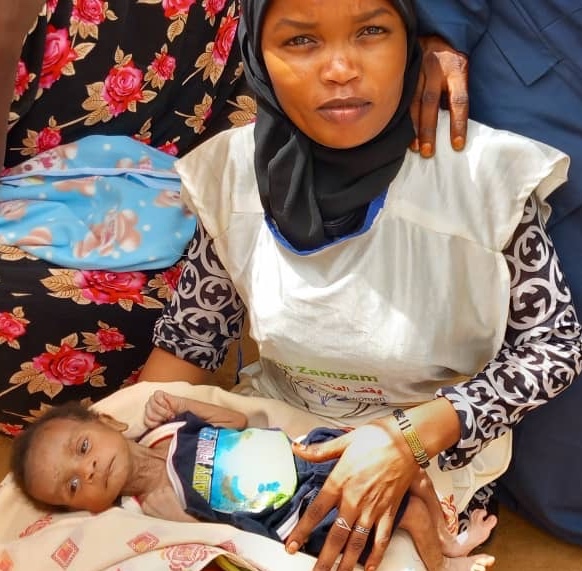
(Source: Prof Eric Reeves @Sudanreeves)
The vulnerability to abuse and exploitation add to the challenges of humanitarian workers. Team Zamzam project, a group of women who provide counselling to victims of sexual violence, which began operations in the vast Zamzam cap for displaced people near the North Darfur capital El Fasher, have been instructed by the UNHCR to move to a new refugee camp in Chad, 20+ kilometres to the west of where they had been working so successfully.
The team were forced to flee Zamzam, along with the camp’s 500,000+ other inhabitants, when the camp was all but obliterated during an April 13, RSF ground offensive, which forced ‘tens of thousands’ of the inhabitants of Zamzam and Abou Shouk camps to flee to El Fasher.
Since then, the team has moved its operations to El Tina in Chad, which is now home to close to a million Sudanese refugees who have fled the war in Sudan, 88 per cent of them women and children.
However, their refuge is far from secure, and their vulnerability to exploitation revealed by MSF, comes in addition to real risks to life and limb during frequent attacks. In their most recent update, Team Zamzam say that the UN High Commission for Refugees (UNHCR) has insisted that they move to a new refugee camp in Chad, 20+ kilometres to the west of where they had been working so successfully near El Tina in Bami Joura camp.
“The Rapid Support Forces (RSF) have attacked El Tina area repeatedly, with ground assaults and drone bombings. In any event, for Team members to retain their UN food ration cards—and to stay in compliance with UNHCR organisational imperatives—they must register in Mayba. The Team is already talking about the need for some members traveling back to El Tina area to assist those who remain there, and those who continue to cross the Darfur/Chad border,” the update says.
‘An excruciatingly difficult rainy season…’
“It’s going to be an excruciatingly difficult rainy season,” laments prominent Sudan researcher and analyst, Prof Eric Reeves, cochair with Gaffar Mohammud Saeneen of Team Zamzam. Reeves says he has no doubt that the latest revelations of sexual abuse and exploitation among refugees contributed to the UNHCR decision to relocate the team.
“Team Zamzam is one of the only resources for girls and women traumatised by sexual violence and abuse in all of eastern Chad. We still don’t know enough about the decision, or what life in Mayba will be like. But cochair Gaffar Mohammud Saeneen tells me that the morale of the Team remains very high.”
The rainy season, lasts from June to September. The move will mean that team members will likely need to travel either to El Tina market or the market at another established refugee camp. Sanitation and hygiene will be particularly important, as this forced move occurs just at the beginning of the rainy season; heavier rains will create mud that makes travel extremely difficult, if not impossible.
*The headline and text of this article were updated on 29/06/2026 to better clarify and emphasise that the allegations of sexual exploitation and abuse reported by Sudanese refugee women against MSF staff in eastern Chad came to light in early 2024.
 and then