




Hunger, disease, dispair: Darfur’s displaced bear ever-mounting toll of Sudan war
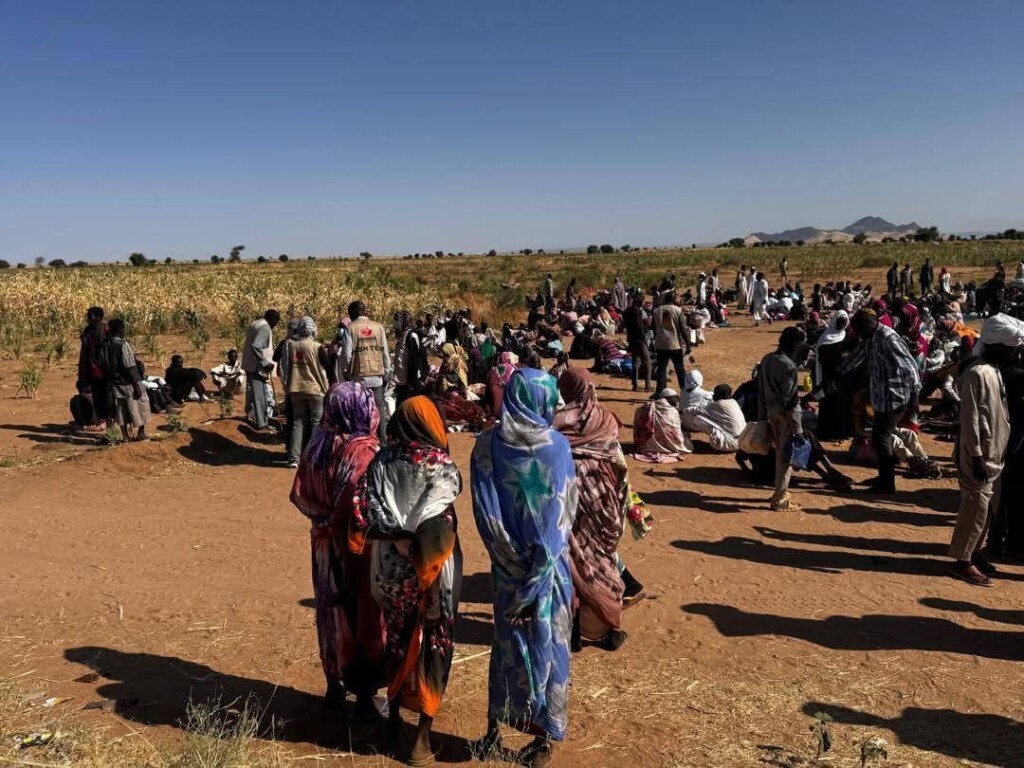
People displaced from El Fasher to Tawila in North Darfur (File photo: RD Correspondent)
The General Coordination of Camps for the Displaced and Refugees in Darfur warns of a catastrophic deterioration in humanitarian conditions across displacement camps in Sudan’s Darfur region. Yagoub Furi, the coordination’s general coordinator, tells Radio Dabanga that camps in North Darfur – with the exception of Tawila camp – are experiencing a complete absence of food aid, particularly the camps at Fata Borno, Kutum and Kassab.
Stéphane Dujarric, spokesperson for the UN secretary-general, tells a press conference at UN headquarters in New York that a recent assessment finds food is the highest priority for about 236,000 displaced people across five locations in West Jebel Marra locality.
Adam Regal, spokesperson for the Darfur Coordination for the Displaced and Refugees, says displacement camps across Sudan are facing a deepening humanitarian and health crisis that has exceeded the limits of human endurance and is putting thousands of families at risk every day. He says displaced people are living in extremely harsh conditions.
Limited aid and attacks
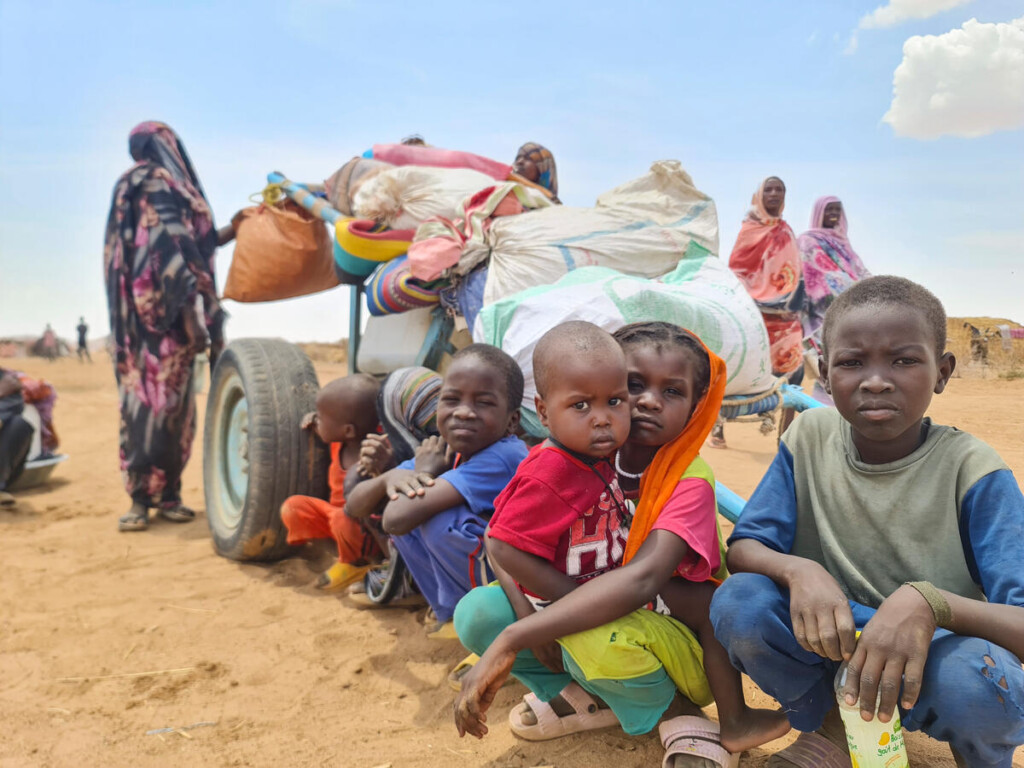
Furi says only limited and inadequate assistance is reaching camps in West, South, Central and East Darfur, amounting to no more than 10% of actual needs. The aid, he says, is sufficient to support a family for no more than 10 days each month.
He adds that displaced people are forced to leave the camps in search of food, exposing them to looting and the loss of agricultural property such as seeds and ploughs, which represent their future food security.
Fathiya Adam, women’s secretary at Hamidiya camp in Zalingei, says women who venture outside the camp to search for food or work are subjected to theft and assault, and in some cases sexual violence. Their belongings, money and carts are also seized.
Warnings of a humanitarian catastrophe
Rashid Mohamed Fadl, secretary of Hamidiya camp, tells Radio Dabanga that international organisations distribute food every two months, but the assistance does not reach all displaced people.
He says each person receives food vouchers worth SDG 30,000, which are wholly inadequate given soaring prices. A kilogram of sugar now costs SDG 5,000, a kilogram of meat SDG 25,000s, while a single loaf of bread costs SDG 10,000. He says displaced people have no income to cover their basic needs.
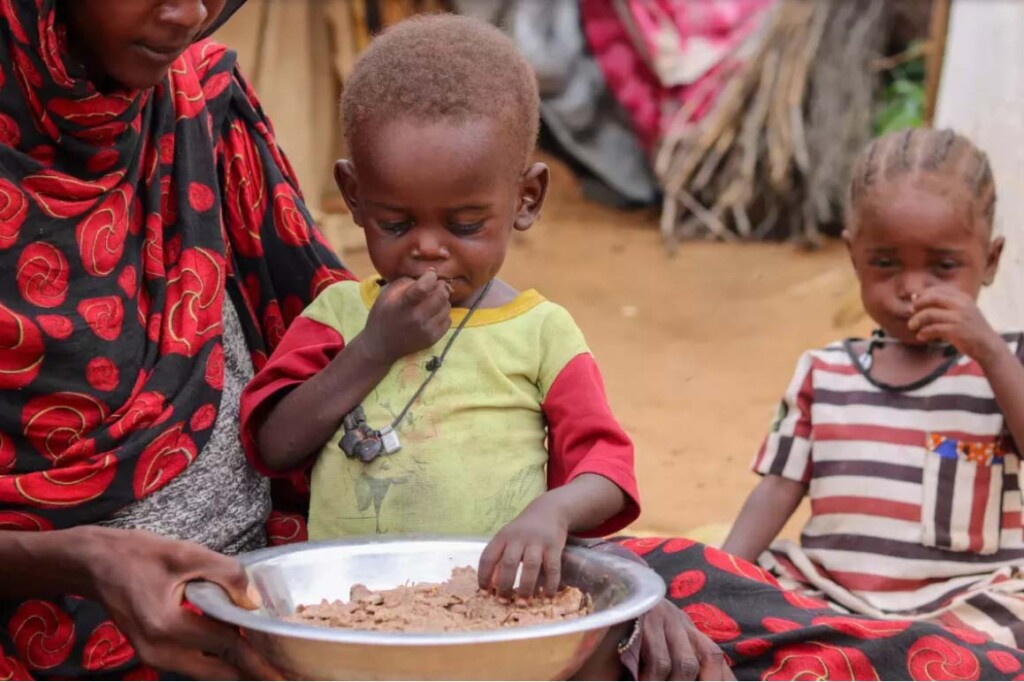
Fadl warns of an imminent humanitarian catastrophe, including worsening malnutrition and famine, particularly with the arrival of the rainy season, and calls on humanitarian organisations to intervene urgently.
Fathiya Adam says the prices of essential food items, including meat and sugar, have risen dramatically, placing them beyond the reach of most families. She says there are no sources of income inside the camp, leaving residents unable to buy food.
She adds that the rainy months of July, August and September are the hardest period of the year, while nursing mothers, older people and pregnant women lack adequate care.
Food assistance for children, she says, is limited to very small quantities of biscuits – around 10 to 15 a month – which fall far short of meeting even their minimum nutritional needs.
Water shortages and worsening health
Furi says displacement camps are also facing severe shortages of safe drinking water. Many people rely on contaminated seasonal streams, particularly as the rainy season is delayed, while numerous water pumps inside the camps have stopped working.
He says displaced people must walk distances of up to two kilometres carrying small containers to collect water, placing them under considerable physical strain, and exposing them to serious health risks.
On healthcare, Furi says dangerous and unidentified diseases are spreading, while mental health problems are increasing because of the harsh conditions. He points to severe shortages of medicines and sanitation services, adding that patients are often unable to fill prescriptions because medicines are unavailable or because they cannot afford them.
Adam Regal says displaced people are facing widespread outbreaks of infectious diseases including malaria, measles, acute diarrhoea, and cholera, amid an almost complete lack of medicines and medical supplies. Children and women are the most vulnerable, with malnutrition reaching alarming levels that threaten a humanitarian catastrophe. Deaths are increasing because of shortages of food, clean water, and shelter, while psychological trauma and gender-based violence continue to rise, further weakening displaced communities.
In Hamidiya camp, Fadl says three of the camp’s five health centres have stopped operating completely, while a fourth has run out of medicines. Only one health centre, run by the Sudanese Red Crescent, remains operational, serving around 67,000 displaced people.
He also warns of severe environmental deterioration during the rainy season, when stagnant water collects in the streets, and calls for urgent intervention by organisations working in health and environmental protection.
Humanitarian operations cut back
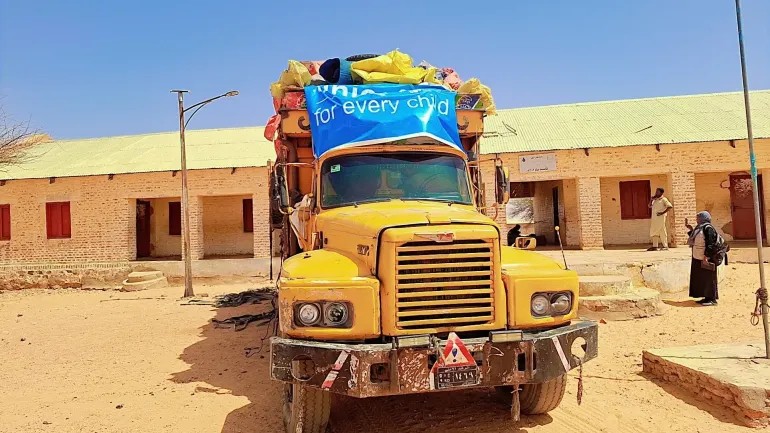
Furi says many humanitarian organisations have scaled back their operations or are preparing to leave because of funding shortages. Those that remain are operating with very few permanent staff and rely largely on volunteers, affecting the quality of services they provide.
He also points to severe communication difficulties caused by the collapse of mobile networks, landlines, and internet services across large parts of Darfur. Many people depend on the costly Starlink service, where a single call costs SDG 1,000, making communication impossible for most displaced people.
A sense of abandonment
Furi says displaced people feel abandoned and forgotten by both the Sudanese state and the international community, believing that they are “not counted by the international community”.
He calls on the international community and all those with a conscience to act immediately and provide urgent humanitarian assistance.
He also criticises what he describes as political rhetoric and empty promises that fail to translate into action on the ground, insisting that saving lives must take precedence over political or diplomatic considerations.
Furi urges neighbouring countries, as well as African and Arab states, to provide support in responding to the crisis, and appeals to humanitarian organisations to intervene rapidly with food assistance to save older people, children, breastfeeding mothers, and pregnant women.
Adam Regal likewise calls for immediate measures to provide food, shelter, and medicine, rebuild the health system, and ensure aid reaches those in need without obstruction or politicisation. He also stresses the importance of involving women and young people in the humanitarian response, describing them as essential to strengthening resilience, rebuilding life in the camps, improving protection, reopening schools, and creating child-friendly spaces.
“The tragedy of Darfur is a daily human story of families who have lost their security, children deprived of education, and women struggling to survive,” he says. “An urgent response is a humanitarian and moral duty that cannot be delayed.”

 and then