





Sudan’s women pay the price as weapons keep flowing — why an arms embargo is crucial to protecting them
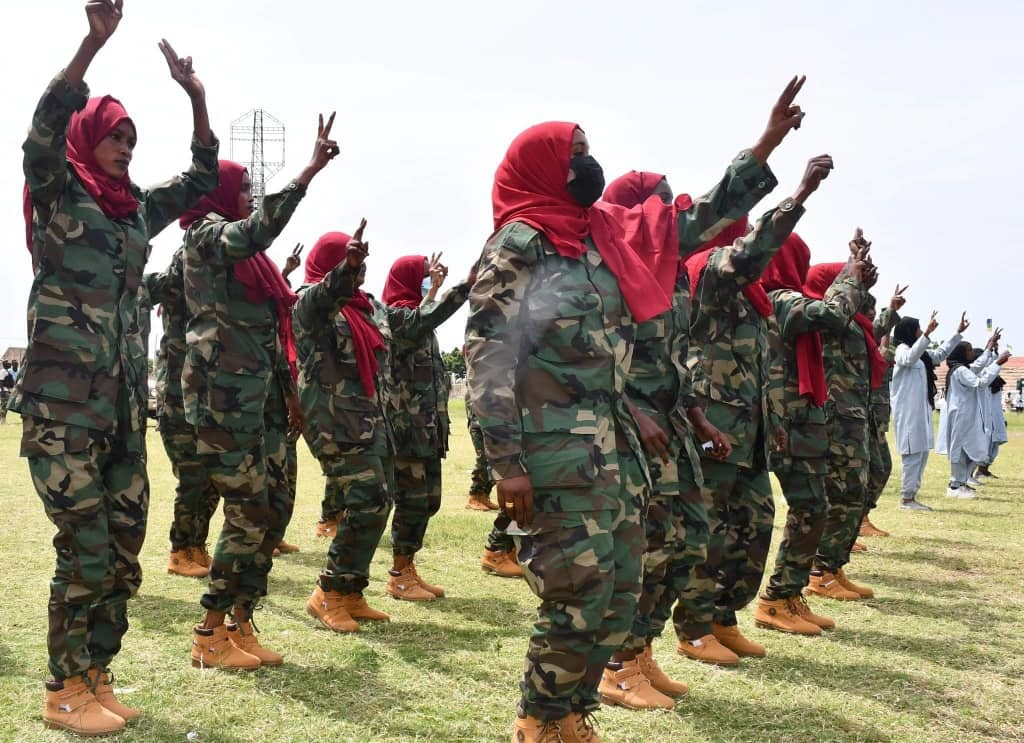
Women undergoing military training (File photo)
The US proposal to expand the arms embargo on Darfur to cover all of Sudan is raising questions about how far a comprehensive weapons ban can reduce the risks facing women. The proposal cannot be viewed simply as a security or political measure: it is directly linked to women’s rights to life, safety, freedom of movement, and the protection of their families.
The US proposal to the UN Security Council to extend the existing arms embargo on Darfur to the whole of Sudan is one of several tools intended to pressure the parties to the conflict to reduce their capacity to wage war and cut off sources of weapons, thereby limiting violations against civilians. Denmark, Britain, and France backed the US proposal, while China, Russia, and Sudan’s representative openly opposed it.
A double threat to women
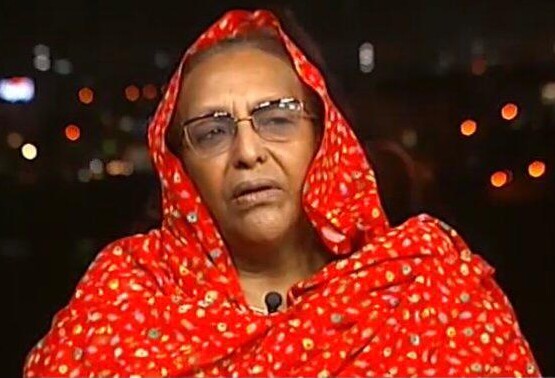
Political and human rights activist Nemat Koko believes the proliferation and continued flow of weapons are directly linked to the continuation of the war, and that reducing the warring parties’ ability to obtain and use weapons can limit the scope of violence against civilians.
Speaking to Radio Dabanga’s Kandakat wa Mayarem programme, Koko says women are paying a particular price for the continuation of the war, especially as the risks of sexual and gender-based violence increase. She believes an arms embargo should not be viewed simply as a security decision, but as an issue directly connected to women’s safety and their rights to movement, life, work, and to protect their families.
“The environment in which weapons are widespread, and security is absent imposes greater fear and restrictions on women,” she says, affecting their ability to reach markets, water sources, firewood, work, health services, and education.
The daily burdens of war
Koko tells Radio Dabanga that the spread of light and heavy weapons restricts women’s movement and weakens their ability to protect their families, preserve social cohesion, and secure livelihoods.
The targeting of water, electricity, health, and education facilities places additional burdens on women, particularly female breadwinners, and heads of households, who face extra responsibilities as services collapse.
“The war has not only targeted women as individuals, but has also affected the social and economic roles they play within families and communities,” she says.
Sexual violence alongside war
Koko warns that the continued flow of weapons gives the warring parties greater capacity to continue fighting, while prolonged war creates an environment in which violations become easier to commit and victims find it harder to access justice and protection.
“From a feminist perspective, protecting women does not begin only after a violation occurs,” she says. “It begins by addressing the environment that allows it to happen,” including the proliferation of weapons, the collapse of protection institutions, and weak justice and accountability mechanisms.
Koko believes women’s participation in the arms embargo issue should not be merely symbolic, or limited to attending conferences and political meetings. Women should be involved in monitoring, surveillance, and documentation, while feminist and community initiatives should play a role in tracking arms flows and related violations.
She also stresses the importance of amplifying the voices of Sudanese women at home and abroad, through political and civil organisations and community initiatives, to push for restrictions on the spread of weapons and an end to the war.
“From this perspective, women’s participation in monitoring the implementation of the arms embargo is an extension of their role in resisting war and defending local communities,” she says.
Women as voices for peace and accountability
Koko believes the feminist movement should not separate the demand to end the war from the question of justice. A ceasefire alone is not enough unless it is accompanied by a process that ensures perpetrators of violations, including sexual and gender-based violence, are held accountable.
“Ensuring that there is no impunity must be an essential part of any negotiations to end the war,” she says. “The message that should reach the warring parties is clear: ending the war and protecting civilians does not mean abandoning responsibility for crimes committed against Sudanese men and women.”
Koko says women should not be viewed only as victims of war, but as actors resisting violence, protecting communities, advancing peace, monitoring violations, and demanding justice.
Feminist, youth, and civil initiatives inside and outside Sudan can play an important role in building a broad campaign to curb the spread of weapons, she says, through information gathering, awareness-raising, advocacy, and political and media pressure.
The militarisation of society
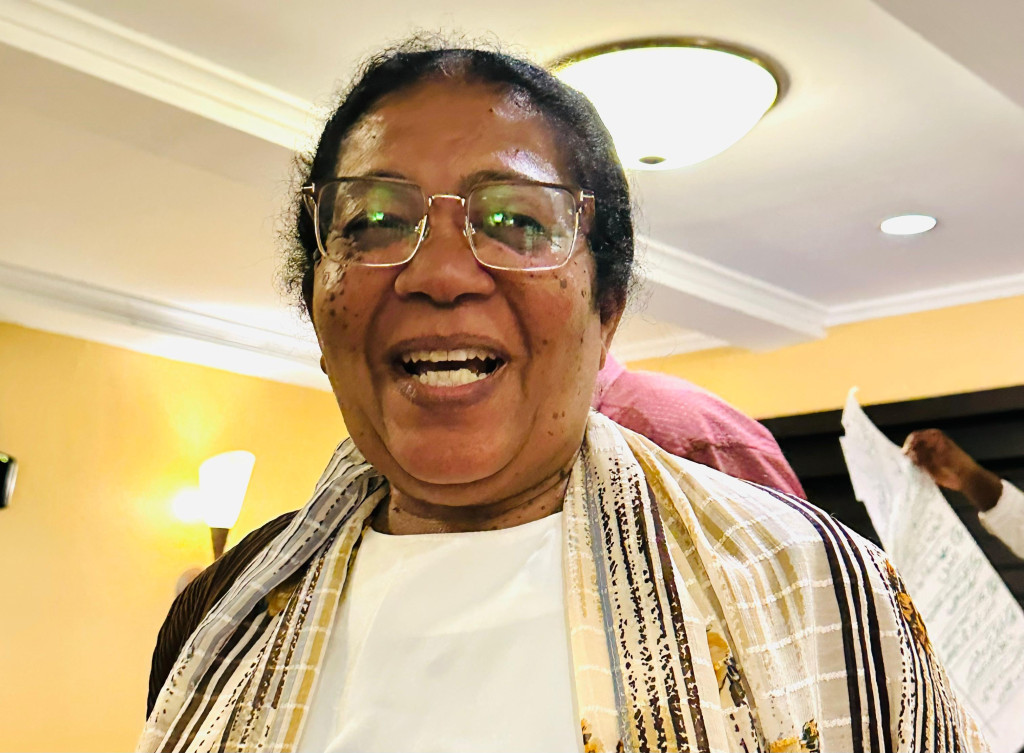
Journalist Madiha Abdullah rejects the idea that women or civilian communities should become part of mobilisation and military preparedness. Women, as among those most affected by the war, should be at the forefront of demands for an end to it, rather than being drawn into the cycle of violence, she says.
Speaking to Radio Dabanga’s Kandakat wa Mayarem programme, Abdullah says the central issue is ending the war, alongside measures to restrict the flow of weapons and establish new security arrangements to protect civilians.
She also calls for military and security institutions to be rebuilt on new foundations based on citizenship rights and civilian protection, rather than relying solely on traditional security arrangements.
The arming of civilians is an issue that affects the future of women and Sudanese society, Abdullah tells Dabanga. Mobilisation and recruitment under various names ultimately militarise society and draw civilians into the war, she says.
The spread of weapons among civilians increases risks inside homes, neighbourhoods, markets, and public places, making everyday disputes more likely to turn into deadly violence.
For women, the danger is greater because they are already among the most vulnerable groups during wartime, alongside children, older people, and people with disabilities.
The presence of weapons in society does not necessarily mean greater protection, Abdullah says. It can instead become an additional source of danger, particularly when regulation, oversight, and accountability are absent.
Women journalists caught in the crossfire
According to Abdullah, journalists, including women journalists, face major difficulties reaching the sites of events because of insecurity and the absence of guarantees allowing them to work freely.
Protecting women journalists and enabling them to reach conflict zones is part of society’s right to know what is happening on the ground, she says, particularly when violations occurring beyond media coverage are difficult to verify.
“Expanding the arms embargo can limit the ability of the warring parties to continue fighting,” Abdullah says. “At the same time, the embargo alone will not end the war. The ultimate goal is to stop the fighting and build a lasting peace that guarantees women, men, and children a safe life, and rebuilds state institutions on the basis of protecting citizens and their rights.”
An UN mechanism to protect women
Lawyer and director of the Al-Jazeera Observatory for Human Rights Noun Kashkoush explains that arms embargoes imposed by the UN Security Council generally include mechanisms for monitoring implementation and addressing violations or breaches.
Complaints and information relating to breaches of an embargo are referred to the sanctions committee established under the relevant resolution, she says.
Kashkoush tells Dabanga that UN Security Council Resolution 1591, adopted in 2005, imposed an arms embargo on Darfur. The previous resolution, adopted in 2004, had focused on specific individuals and groups. The embargo was subsequently expanded to cover the parties to the conflict in Darfur, as well as those supplying weapons to the region.
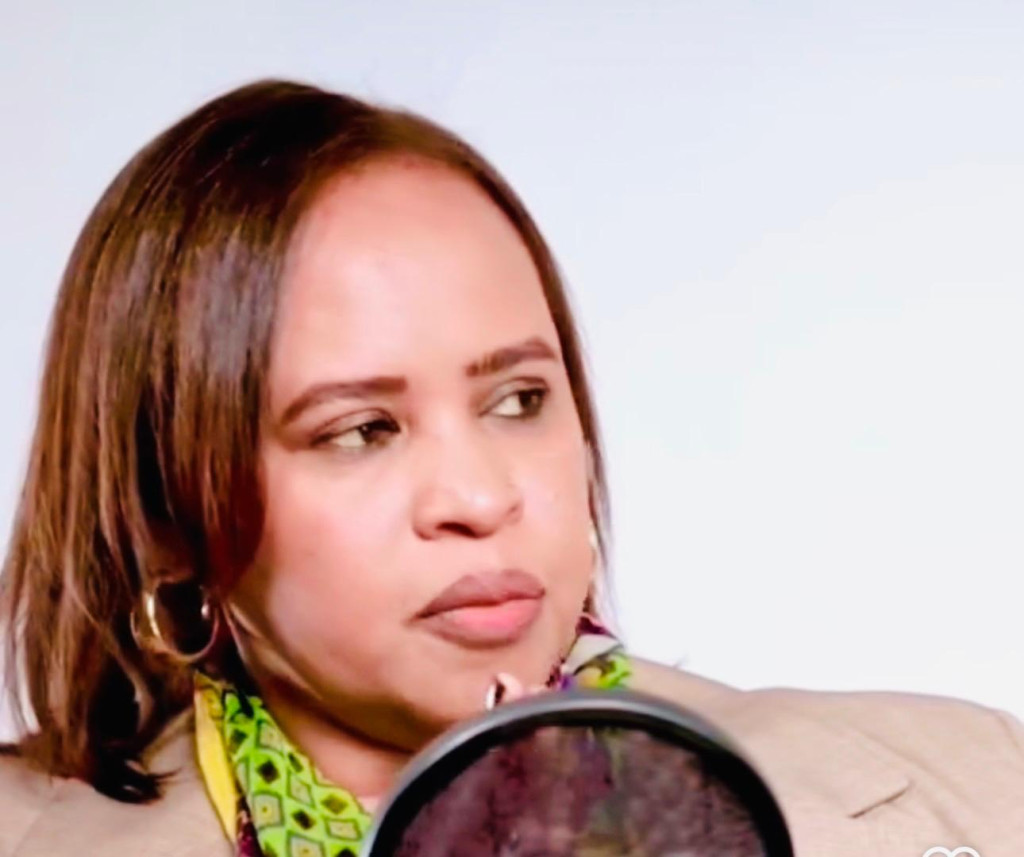
The resolution also established a panel of experts responsible for monitoring violations and compliance with the embargo. The panel’s mandate has been renewed until 12 October 2026, she says.
The sanctions committee
According to Kashkoush, information or complaints concerning breaches of the embargo can be submitted to the sanctions committee, which examines alleged violations by states, entities, or parties supplying weapons in breach of the resolution.
This can pave the way for measures available under the UN sanctions regime, potentially including economic measures, travel restrictions, and other steps.
Amid current international efforts concerning Sudan, Kashkoush tells Radio Dabanga’s Kandakat wa Mayarem programme that the United States has submitted a draft Security Council resolution to extend the arms embargo to the whole of Sudan, describing the move as one means of putting pressure on the parties to the conflict.
She stresses that, in principle, arms embargo measures are not intended to favour one side over another. Rather, they aim to pressure the parties to engage in a peace process, reduce violations, and strengthen civilian protection.
Kashkoush believes the effectiveness of any arms embargo depends largely on clear mechanisms for monitoring, documentation, and accountability, ensuring that UN resolutions do not remain merely words on paper, but become enforceable measures that can lead to accountability when violations occur.
Note: This article has been translated from Arabic with the assistance of artificial intelligence tools, and subsequently reviewed and adapted by a human editor before publication.

 and then