




‘Takaya’ community kitchen closures threaten 50,000 families in Sudan capital
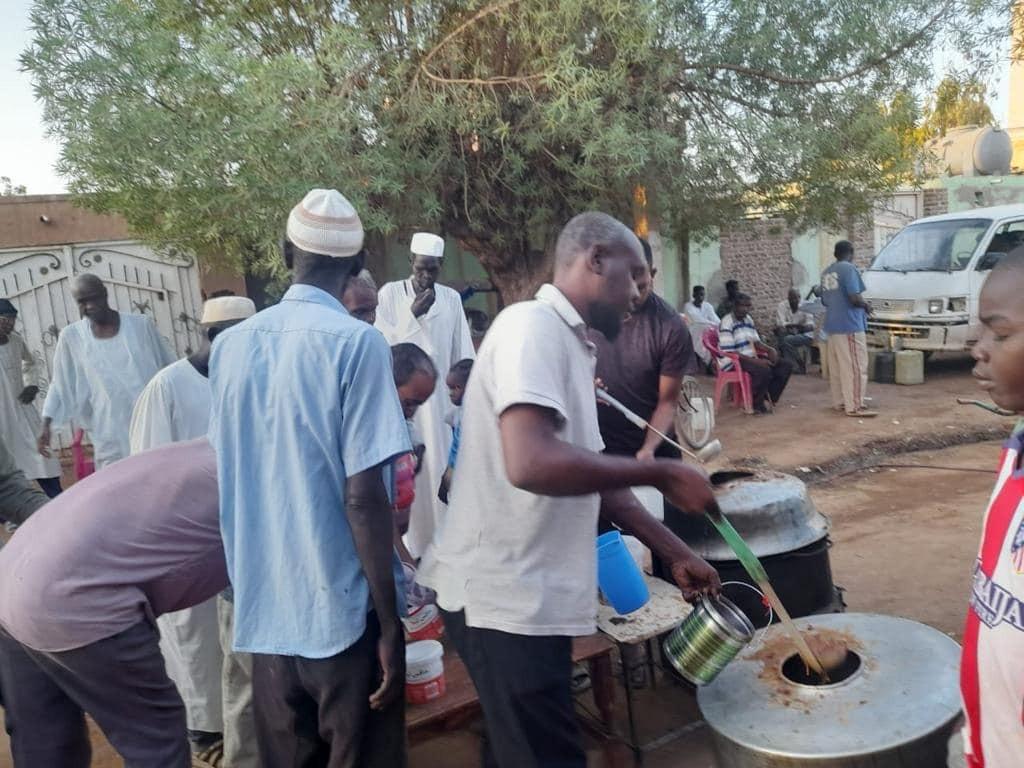
Community kitchens, known as takaya in Arabic, are one of the essential social solidarity systems in Sudan (File photo: RD)
All charitable community kitchens, known as takayas, operating in southern Khartoum have stopped working, causing a severe humanitarian deterioration that threatens the lives of tens of thousands of families and displaced people. A member of the Southern Belt Emergency Committees told Radio Dabanga that the kitchens stopped operating after the army retook the area and external funding and grants to organisations including Sadaqat, Hazirin and Nidaa were cut off. The organisations had been providing meals for about 50,000 families.
The crisis has worsened significantly as Hazirin shifted its operations to El Afad camp, while large numbers of displaced people fleeing El Fasher and the Kordofan states arrived in the Southern Belt. Hundreds have been left without shelter or food, the committee member said, describing the current situation as catastrophic.
He said the Southern Belt was also experiencing a sharp rise in prices, with the cost of basic goods increasing by more than 100 per cent, while humanitarian assistance was completely absent. He appealed through Radio Dabanga for aid organisations to act urgently to save lives.
Power cuts disrupt daily life
Meanwhile, residents and traders in Khartoum have complained of an unstable electricity supply and prolonged power cuts, causing a deepening crisis in their daily lives and livelihoods.
The disruptions have affected everything from access to drinking water and food storage to bringing buying and selling in markets to a standstill.
One Khartoum resident said he could no longer buy and store food with confidence, and did not know when it was safe to buy ice because the electricity could go off immediately after he put his supplies in the refrigerator.
A butcher said the power cuts had caused serious damage to his business, which depends entirely on refrigeration. Customers were also reluctant to buy more than they needed for a single day.
On some days, his sales had fallen to no more than 5kg, he said, forcing several shops to close permanently.
A juice shop owner in Omdurman said purchases had declined and he was now relying on fresh fruit in limited quantities because he could no longer keep juices and fruit refrigerated until the following day.
Fruit needs to be kept cold, he said, and any surplus left over for the next day represented a direct loss.
Sudanese volunteers praised
The announcement of the closures coincides with praise for Sudanese volunteers on the occasion of World Humanitarian Day on August 19. In an interview published by Radio Dabanga today, Dr Salah El Amin, an expert in international humanitarian work, says that “we have every right to be proud, and to hold our heads high, in celebrating the young men and women who have taken on humanitarian work since the outbreak of the war on 15 April 2023, providing food, clean drinking water, healthcare, protection, communication and transport to very large numbers of Sudanese during the war.”
El Amin praised the emergency rooms, takayas and all Sudanese local initiatives. Their work, he said, had won the admiration and approval of international organisations, pointing to the post by the UN World Food Programme highlighting these young people who have enabled Sudanese to survive inside the country.
Editor’s note: This article was translated from Arabic with the assistance of artificial intelligence, and subsequently reviewed and adapted by a human editor before publication.



 and then