





Rising food prices and poor rains fuel fears of hunger crisis in Darfur
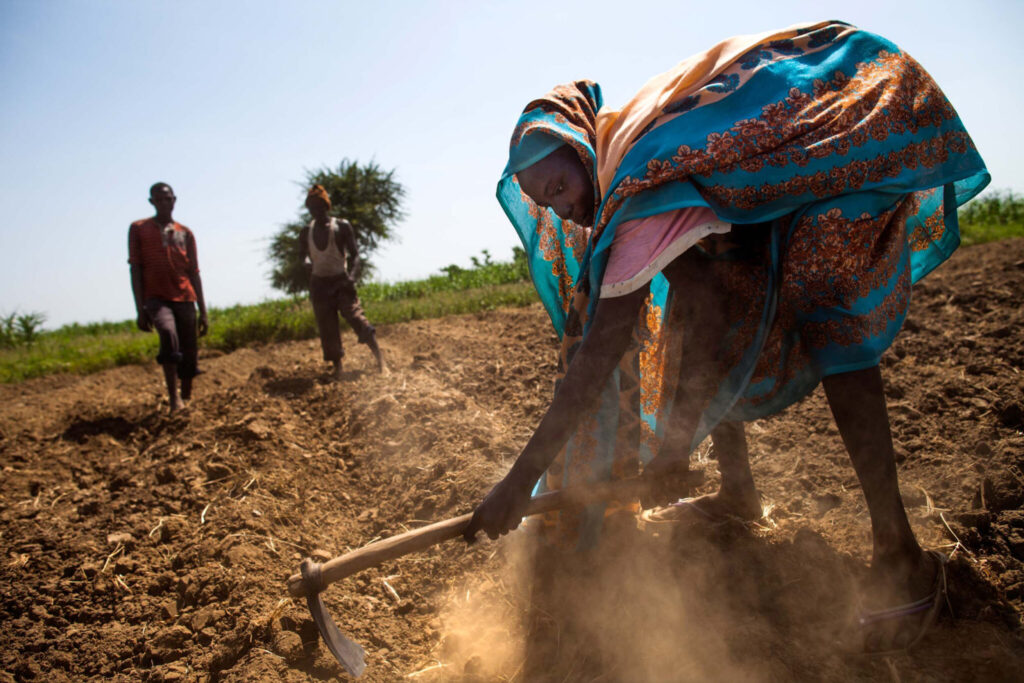
Farmers in West Darfur (File photo: Albert González Farran / UNAMID)
Rising food prices, declining rainfall and mounting economic pressures are deepening hardship across Sudan’s Darfur region, fuelling fears of worsening food shortages as displacement and the destruction of agricultural livelihoods compound the humanitarian crisis.
In West Darfur, particularly the state capital El Geneina, soaring food prices, expensive imports and currency fluctuations have placed further pressure on households.
Journalist Mohiuddin Zakaria told Radio Dabanga that the price of a sack of millet had doubled from about SDG300,000 to SDG600,000. Prices of sorghum, cooking oil and other essential commodities have also risen sharply.
Zakaria attributed the increases partly to poor rainfall and what he described as attempts by some traders to monopolise essential goods, warning that declining agricultural production could push the state towards a severe food crisis and possibly famine.
West Darfur relies heavily on food supplies imported through neighbouring Chad. Zakaria said the price of 1,000 Chadian francs had risen from about SDG35,000 a month ago to around SDG46,000, making imported goods more expensive.
High transaction costs through the Bank of Khartoum’s Bankak application have added to the burden. Zakaria said the discount rate in the state had reached approximately 46 per cent, while one resident reported an exchange rate of SDG70,000 through the application.
Zakaria said disruptions in the currency market, growing reliance on the parallel market to determine the exchange rate between the Sudanese pound and the Chadian franc, and fluctuations in the dollar’s value had all contributed to rising commodity prices and increased economic pressure on residents.
In North Darfur, however, the agricultural outlook appears more promising in some areas. Sheikh Mohammed Bakr Suleiman, an administrator in the El Hamra area south of Kutum, described this year’s agricultural season as promising.
Speaking to Radio Dabanga, Suleiman praised the authorities for providing farmers with agricultural machinery and equipment, which he said had improved productivity.
However, he said the area had also received large numbers of people displaced by fighting in El Fasher. Many own agricultural land but need access to essential services.
Saleh Mahmoud, head of the Darfur Bar Association, warned that insufficient rainfall threatened the agricultural season and could further deepen Sudan’s humanitarian crisis.
He called on the international community to impose a 90-day truce and compel both sides in the war to halt hostilities, allowing humanitarian organisations to deliver aid to displacement camps and other affected areas.
Mahmoud said the Darfur Bar Association had issued a statement warning that the situation was more critical than before, with the lives of millions of Sudanese people at risk.
He said the war had destroyed villages, homes, crops and farms across Darfur, Kordofan and Blue Nile, as well as the gum arabic belt, undermining food production and livelihoods. The destruction has left millions dependent on urgent humanitarian assistance, he added, warning that some areas had officially entered famine.
On behalf of the Darfur Bar Association, Mahmoud urged Sudanese people and the international community to press both sides to end the war immediately.



 and then