




EU bans Sudan gold to target war economy
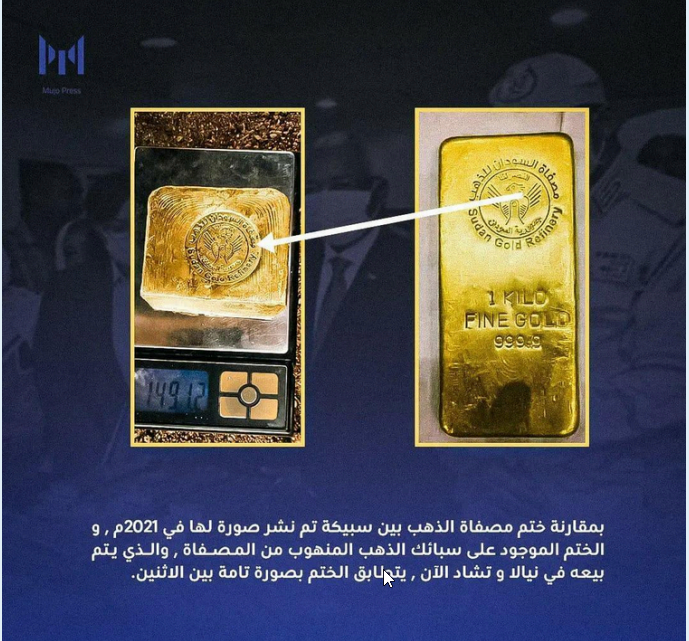
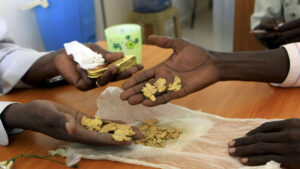
Sudanese Gold Refinery ingots identical to those sold in Chadian markets (Photo: Mojo Press – Report by the Center for Environmental and Social Studies)
The Council of the European Union on Monday adopted a decision banning the purchase, import, or transport of gold originating from Sudan. It also prohibited the sale, supply, transfer or export of mercury and cyanide to Sudan. These chemicals are widely used in gold mining and extraction.
In a statement seen by Radio Dabanga, the Council said the decision is intended to strengthen the European Union’s restrictive measures on Sudan by introducing new sectoral measures targeting the war economy. The measures also aim to reduce sources of funding for the conflict and increase pressure on those fuelling the war.
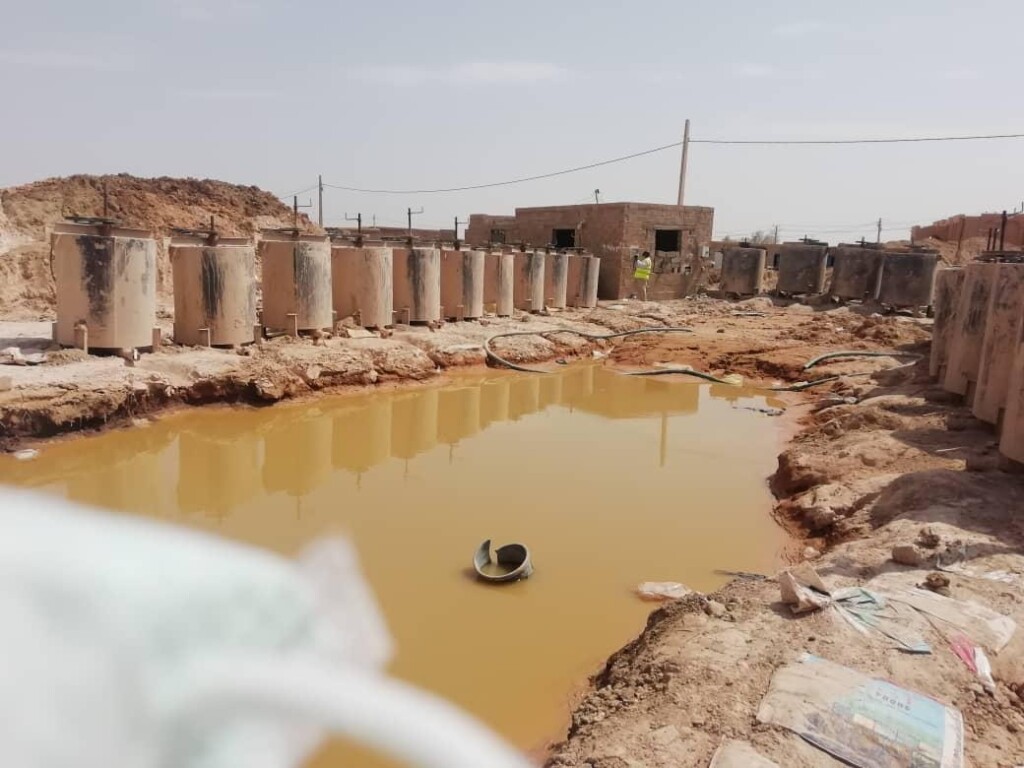
The decision introduces a ban on the purchase, import or transfer of gold originating in Sudan. It also bans the sale, supply, transfer, or export of mercury and cyanide to Sudan. These chemicals are widely used for gold mining or gold exploitation. Both measures are accompanied by prohibitions on the provision of related services, including technical assistance, brokering services and financial assistance.
The European Union highlighted that gold has become a major source of revenue supporting the conflict in Sudan. By restricting trade in Sudanese gold and limiting access to the chemicals used in gold mining and extraction, the EU aims to reduce the resources available to those responsible for perpetuating the violence.
The decision provides for specific exemptions. The restrictions on mercury and cyanide do not apply to goods intended for humanitarian purposes, public health emergencies, or disaster response.
The European Union said the measures form part of its continuing response to the conflict in Sudan, which has caused an unprecedented humanitarian crisis and widespread violations of international humanitarian law and international human rights law.
Background
War broke out in Sudan on April 15, 2023, with devastating consequences for the civilian population and for the stability of the country and the wider region.
On October 9, 2023, the Council adopted a framework for restrictive measures in response to activities undermining Sudan’s stability and political transition. The framework has since been updated regularly to target those responsible for the continuing crisis in the country, with the latest sanctions list adopted in January 2026.
The European Union has repeatedly condemned the fighting between the Sudanese Armed Forces and the Rapid Support Forces. In October 2025, the Council adopted conclusions on Sudan setting out a number of demands for all parties to the conflict: to engage constructively in ceasefire negotiations; to ensure rapid, unhindered and sustained humanitarian access; to support an inclusive, representative and genuinely independent civilian government; and to restore and strengthen the rule of law, accountability, respect for international law and justice.
More recently, following the Third International Sudan Conference in Berlin on April 15, 2026, which marked the third anniversary of the outbreak of the war, the EU High Representative issued a statement on April 21, 2026 reiterating the European Union’s call for an immediate and permanent ceasefire and stressing that external actors must stop fuelling the conflict. The statement added that the European Union would use all the tools at its disposal, including diplomacy and restrictive measures, to press for peace, including additional sanctions targeting Sudan’s war economy.

 and then