





US President Trump ‘personally overseeing’ efforts to end war in Sudan – Washington warns of ‘consequences’ if Russian Red Sea naval base allowed
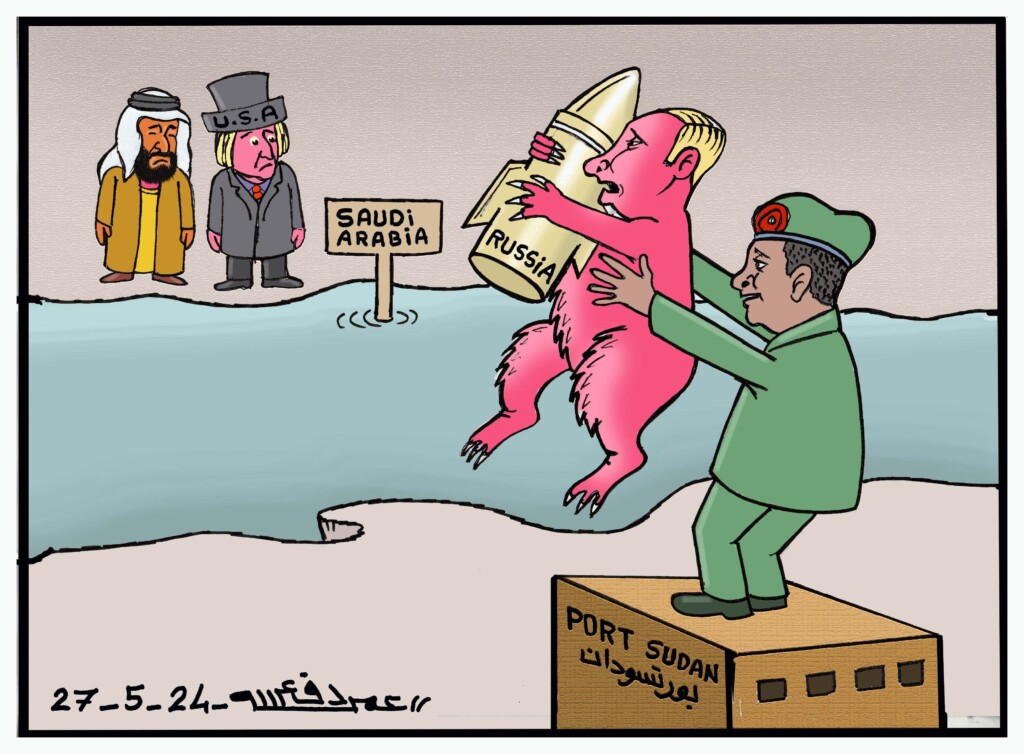
Cartoon: Omar Dafallah / RD
US Secretary of State Marco Rubio has stated that President Donald Trump is personally overseeing efforts to end the war in Sudan, UK Foreign Secretary Yvette Cooper on Tuesday said that the country requires a “global push” for peace, while the UN Humanitarian Coordinator for Sudan, Denise Brown, warns that killings of civilians continue in several Sudanese cities under siege by Rapid Support Forces (RSF), which are preventing humanitarian aid from reaching those in need.
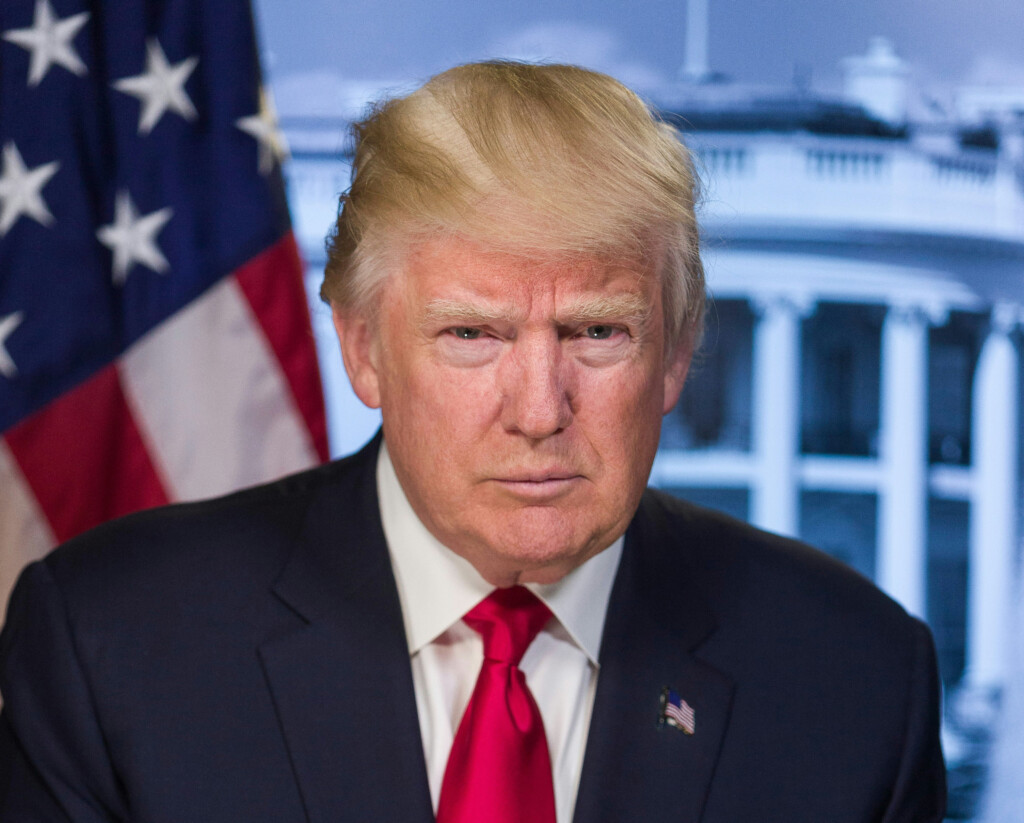
Rubio reaffirmed on Tuesday that Trump is “the only leader in the world capable of resolving the Sudan crisis.” Last month, Trump announced plans to work with the UAE, Saudi Arabia, and Egypt, alongside other regional partners, to end the ongoing conflict.
Speaking at a conference in the United States, Trump said he had been asked by Saudi Crown Prince Mohammed bin Salman to help halt the fighting. He highlighted his experience in ending eight wars previously and said he anticipates playing a “very decisive” role in Sudan. Trump described Sudan as “one of the most violent places” in the world and facing the planet’s largest humanitarian crisis. He added that international leaders have called on him to intervene and leverage US presidential influence to stop the violence.
Situation in El Fasher
Regarding UN attempts to access El Fasher, Denise Brown explained that the UN’s role is limited to negotiating with both sides of the conflict, currently with the RSF, in line with international principles to ensure aid workers are not targeted by armed militias.
“These principles require entry without armed escorts, access to detainees, and evacuation of the injured,” Brown said. “The UN is very clear on the requirements to allow all organisations safe access to El Fasher and other areas.”
She expressed hope that a small UN team could enter El Fasher soon to assess the situation but stressed that extreme caution is needed as the city remains “a killing ground.”
US warns of ‘consequences’ if Sudan allows Russia Red Sea naval base*
The Wall Street Journal has revealed that the Sudanese government has offered Russia the opportunity to establish its first naval base on the African continent — a move that could reshape the balance of power along one of the world’s most strategic maritime corridors. A senior US administration official warned Sudan of “serious consequences” should it proceed with granting Russia a military naval facility in Port Sudan on the Red Sea.
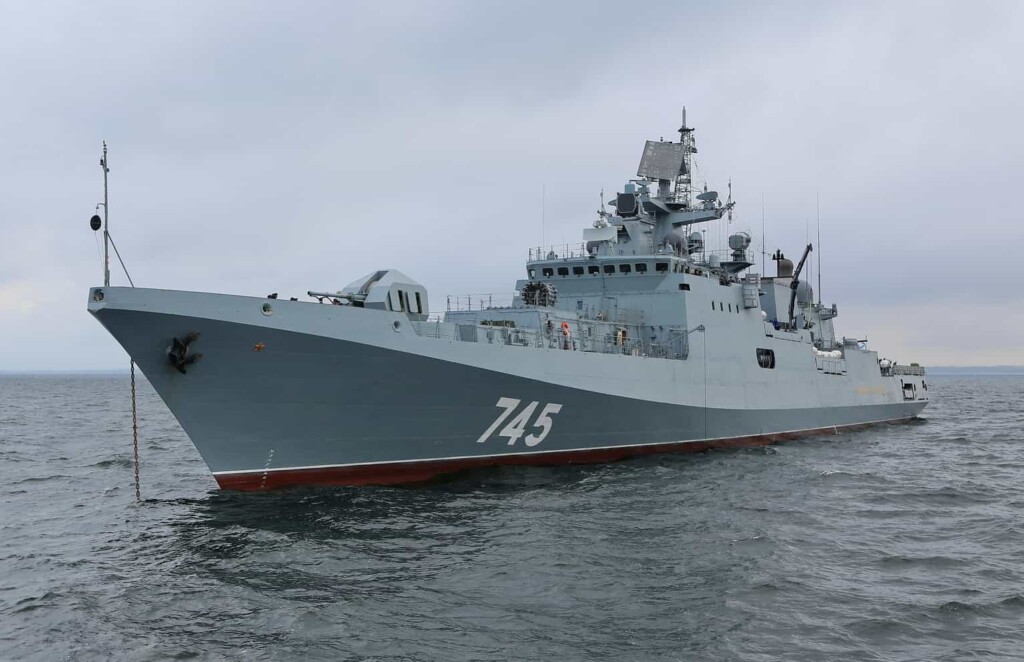
(File photo: Ministry of Defence of the Russian Federation)
According to Sudanese officials quoted by the Wall Street Journal, the proposal includes a 25-year agreement allowing Moscow to deploy up to 300 troops and four warships — including nuclear-powered vessels — at Port Sudan or another Red Sea naval facility.
In exchange, Sudan would receive advanced weaponry at preferential prices as well as Russian commitments to invest in the mining sector, particularly gold, one of Khartoum’s most vital economic resources.
The US administration official said Washington is “aware of reports of an agreement between Russia and the Sudanese Armed Forces to establish a Russian naval facility on the Sudanese coast”.
“We encourage all countries, including Sudan, to avoid any dealings with the Russian defence sector due to the serious consequences that may result, including potential sanctions against entities or individuals involved,” the official added.
He warned Sudanese leaders that moving ahead with such a facility — or any other form of security cooperation with Russia — would “further isolate Sudan, deepen the current conflict, and expose the region to greater instability”.
The Wall Street Journal argues that the proposed location would give Russia a strategic foothold overlooking shipping routes through the Suez Canal, which handles roughly 12% of global trade. Such a presence would enhance Russia’s ability to monitor maritime traffic and extend naval operations across the Red Sea, the Mediterranean and the Indian Ocean — capabilities currently limited by the lack of permanent resupply ports.
A senior US official warned that a Russian base in Port Sudan or Libya “could expand Moscow’s capacity to use force and allow it to operate with impunity”. Retired Major General Mark Hicks, former commander of US Special Operations Forces in Africa, told the paper that such a base would “strengthen Russia’s international standing and widen its influence”.
According to the paper, Sudan’s military council presented the proposal to Russian officials in October, offering a 25-year deal enabling Moscow to station troops and berth four warships — including nuclear-powered vessels — at Port Sudan or another undisclosed Red Sea site. The Kremlin would also receive priority access to lucrative mining concessions in Sudan, Africa’s third-largest gold producer.
If finalised, the Port Sudan site would allow Russia to monitor traffic entering and leaving the Suez Canal, the vital artery connecting Europe and Asia. In return, the Sudanese army would receive advanced Russian air-defence systems and other weapons on preferential terms as it battles the Rapid Support Forces (RSF).
The development comes as Moscow’s influence in Africa has waned since the collapse of the Wagner Group following its 2023 mutiny and the sudden death of its founder. This has pushed the Kremlin towards more formal military and economic arrangements.
Initially, Russia supported the RSF and gained access to some gold-rich areas. But shifting alliances later prompted Moscow to side with the Khartoum government, according to the Wall Street Journal.
For their part, RSF leaders reportedly felt Russian backing was insufficient and opened channels with Ukraine — a move Sudanese officials say contributed to Moscow leaning more heavily towards the government.
The paper also reports, citing current and former officials, that Iran, Egypt and Turkey have supplied the Sudanese army with drones. Last year, however, Khartoum rejected a proposal to host an Iranian-controlled naval base, seeking to avoid isolation from Washington and Tel Aviv.
The report concludes that Khartoum’s pursuit of a deal with Moscow reflects its urgent need for a new international sponsor, despite recognising that such a step could further complicate relations with Washington and its allies.
Washington raises “chemical weapons concerns”
As previously reported by Radio Dabanga, tensions between the United States and the Sudanese government have escalated following Khartoum’s refusal to engage with the initiative of the Quartet — the US, Saudi Arabia, Egypt and the UAE — aimed at ending the war in Sudan. Washington has turned to the issue of chemical weapons as a new pressure tool against the Port Sudan administration.
In a notable development, the US State Department’s Bureau of African Affairs urged the Sudanese government to cooperate with the Organisation for the Prohibition of Chemical Weapons (OPCW) and to immediately acknowledge any violations. It also stressed the need to halt any further use of chemical agents.
A spokesperson for the Bureau said that in May the US concluded that Sudan had used chemical weapons during 2024, a finding based on detailed analysis. Following the announcement, Washington imposed sanctions on Khartoum in June, declaring the use of such weapons “unacceptable” and a violation of relevant international conventions.
She expressed concern over the potential for renewed use, noting recent international reports alleging the deployment of industrial chlorine gas in Sudan. While welcoming Khartoum’s stated commitment to investigate, she emphasised that “declarations alone are not sufficient”.
Political underpinnings of the sanctions
Dr Abdelwahab El Tayeb El Bashir, a political science professor, said the sanctions reflect a complex mix of US calculations regarding the Sudanese conflict and the interests of regional allies including Saudi Arabia, Egypt, Turkey, the UAE, Ethiopia and Kenya.
Speaking to Radio Dabanga, he noted that the US faces significant internal pressure to impose sanctions. He explained that the decision draws on the US Chemical and Biological Weapons Control and Warfare Elimination Act — domestic American legislation, not a ruling from an international body such as the OPCW, of which Sudan is a member.
While acknowledging the legal basis, he said the decision also contains clear political dimensions and pointed out that Washington has not released field evidence detailing the alleged use of chemical weapons — such as where, when or in which battle they were deployed — despite the nationwide span of the conflict. He added that no samples or laboratory analyses have been publicly presented, suggesting the sanctions are based on intelligence assessments and internal US investigations.
Implications for the Sudanese Army
El Bashir noted that any OPCW-led investigation would require significant time to gather evidence and verify claims before imposing international sanctions on the Sudanese army or government.
He argued that Washington intended its decision as a deterrent — to warn Khartoum, its military, and any supporting allies against the use of chemical weapons, which the US considers a red line.
He also suggested the move may serve to satisfy influential domestic and regional lobbying groups, with the US issuing the decision rapidly because it stemmed from internal legal frameworks. An OPCW-based process, by contrast, would be slower and might not yield internationally enforceable sanctions.
US decision seen as unilateral, not international
Commenting on the absence of an OPCW ruling, El Bashir said Washington has the authority to issue findings independently under domestic law, based on its own intelligence rather than UN or OPCW investigations.
He added that while the US may deem its evidence sufficient for a domestic decision, bypassing the OPCW undermines international legitimacy and could weaken US arguments — particularly as Sudan is a member state and many countries may view unilateral action with scepticism.
This, he said, raises questions of transparency and suggests political rather than purely legal motives. The sanctions could be intended either to halt the war or to prevent both parties from using chemical weapons.
Effectiveness of sanctions
El Bashir described the sanctions against leaders on both sides of the conflict as limited in impact, largely confined to asset freezes, restrictions on economic transactions and travel bans for senior figures. These measures, he said, amount to targeted pressure on one side of the conflict.
He argued that the US is primarily targeting the Sudanese government and army, influenced by international pressure, internal lobbying and Washington’s regional alliances. The sanctions, he said, are political with military implications rather than direct military measures.
He stressed that such sanctions do not affect battlefield dynamics, as they do not limit the quantity or type of weapons held nor block arms financing. Instead, they serve as a warning to Sudan’s partners not to supply chemical weapons.
He concluded that the sanctions are intended to exacerbate Sudan’s economic crisis — given the largely economic and humanitarian nature of US measures — placing Khartoum under pressure to accept future settlement proposals.
*Red Sea naval base
The strategic importance of Port Sudan has been highlighted most recently amid rising security concerns for shipping in the Red Sea, where the Iran-backed Houthi movement within Yemen has staged multiple attacks and seizures of civilian-operated cargo ships sailing near the Yemeni coast.
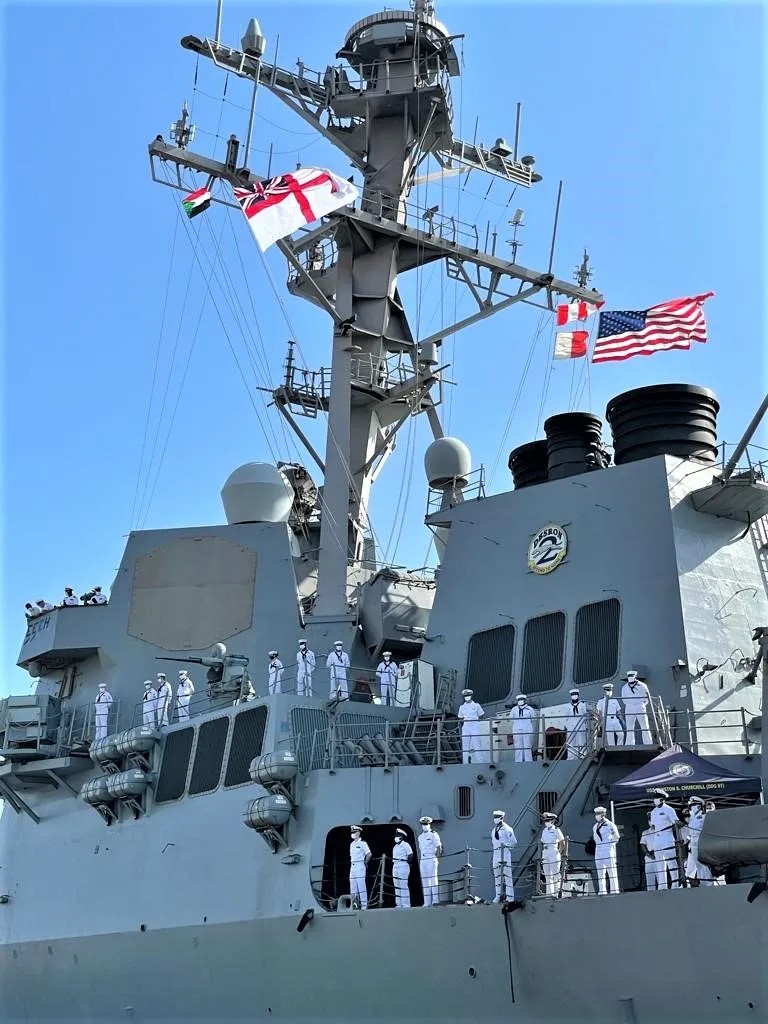
In the past, both the USA and Russia have shown interest in Port Sudan, in terms of controlling and monitoring shipping in the Red Sea. In 2021, US Military Maritime Transport Command USNS Carson City docked in Port Sudan, representing the first visit by a US Navy ship for decades.
A week later, the US Warship USS Winston Churchill docked in Port Sudan, while the next day, a Russian frigate was received in the port with similar honours.
Plans to establish Russian military infrastructure on the shores of Suakin, 63km south of Port Sudan, date back to 2017, to a high-profile visit by the since deposed dictator, Omar Al Bashir, to Russia in November of that year.
Operations to construct the military base were scheduled to begin four years ago, when initial agreements were finalised in 2020. As per the agreement, Sudan was supposed to provide Russia with an area to deploy 300 Russian military personnel, four ships, and an “unlimited number” of ships in the region for a period of 25 years, in exchange for weapons.
The facility was intended to be a logistics post for the Russian navy, which would allow the placement of large ships and nuclear submarines.
However, following the outbreak of the war between the SAF and RSF in April 2023, those plans have been “indefinitely shelved”.Parliamentary ratification of the agreement failed several times, and despite initial hopes in early 2023, the signing of the treaty was indefinitely postponed when fighting broke out in April of that year.



 and then