





UN human rights chief: ‘Sudan drone strikes killed 306 in three weeks’
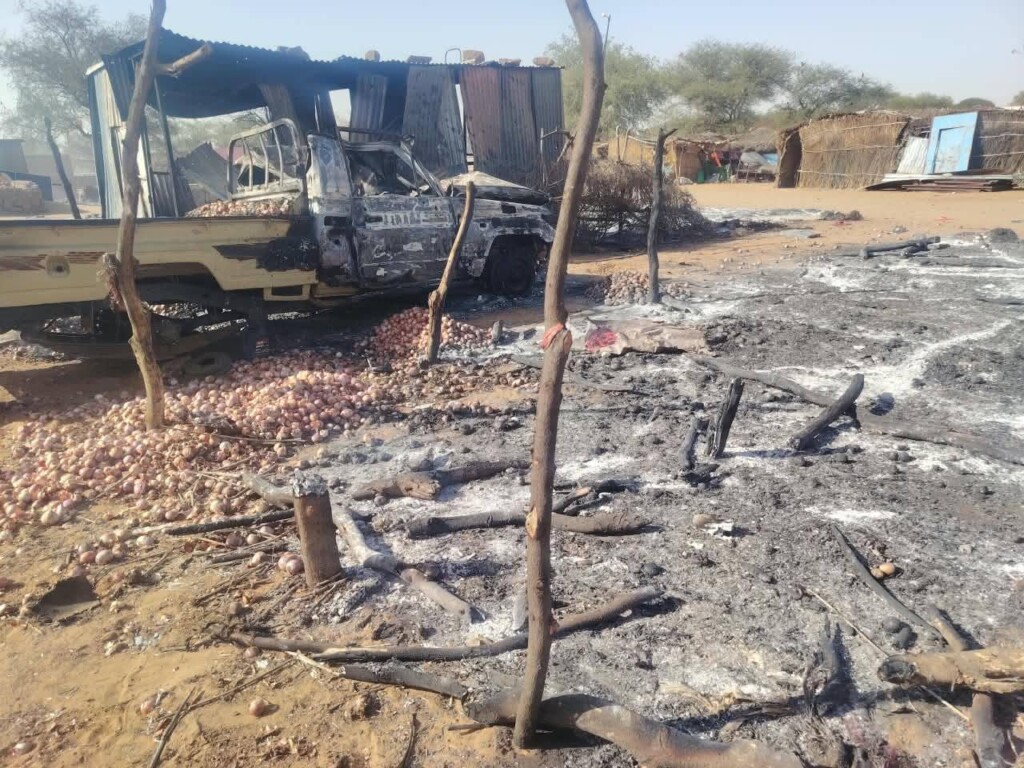
Havoc wrought by a drone attack on El Naim market in North Darfur on October 14, 2026 (Photo: Supplied)
The UN Human Rights Office documented hundreds of deaths and injuries in October, with attacks attributed to both sides hitting displacement sites, markets, hospitals, and vital infrastructure. The UN Security Council has separately condemned deadly drone strikes in Abyei.
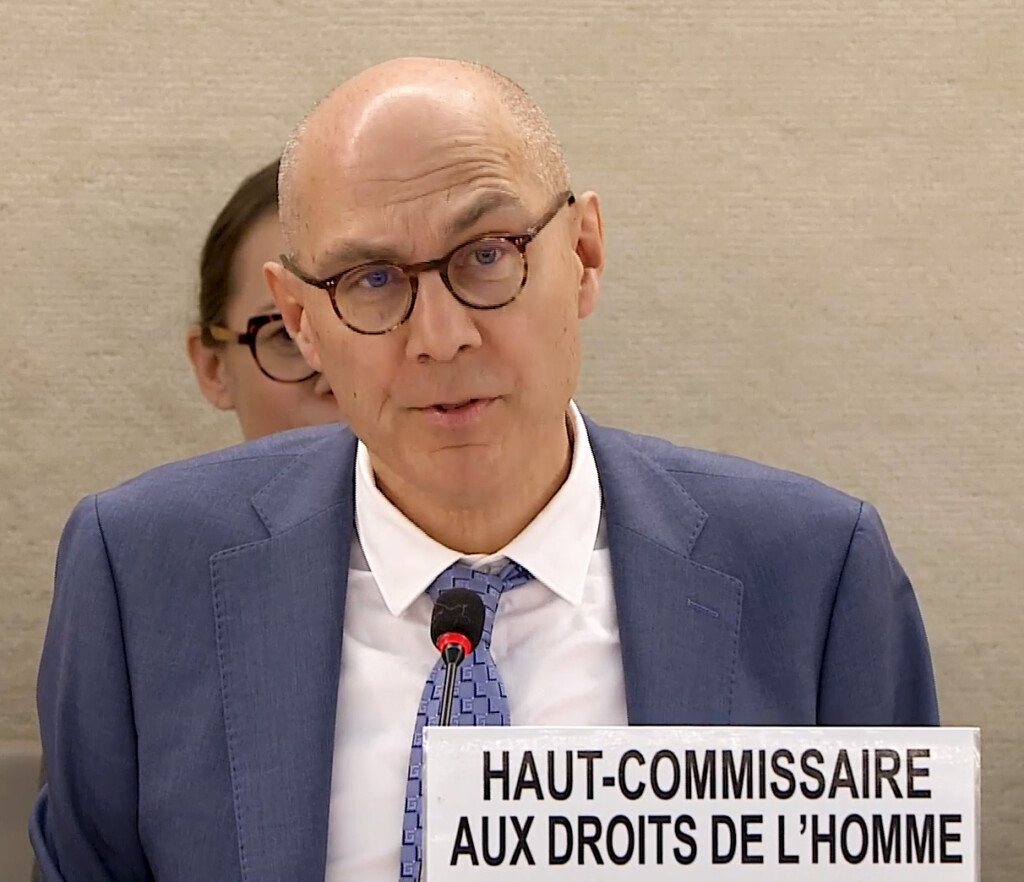
The UN human rights chief, Volker Türk, has condemned a sharp escalation in drone strikes across Sudan after the UN Human Rights Office documented at least 306 deaths and hundreds of injuries during the first three weeks of October.
The strikes, attributed to both the Sudanese Armed Forces (SAF) and the Rapid Support Forces (RSF), hit civilian sites and infrastructure, including homes, markets, hospitals, displacement sites, power stations, and water sources.
Türk said the increasing use of drones, which have already accounted for the majority of conflict-related civilian deaths in Sudan this year, was deeply disturbing and exacting a horrifying toll.
“Scores of civilians have been killed and vital infrastructure and services on which they depend eviscerated, driving further displacement and deepening the already severe humanitarian crisis,” he said.
The UN High Commissioner for Human Rights renewed his call on the warring parties to comply with their obligations under international humanitarian law, including the prohibition on directing attacks against civilians and civilian objects.
Displacement sites and gold mines targeted
The UN Human Rights Office has documented numerous drone strikes on displacement sites where people who had fled fighting had sought shelter, resulting in a sharp increase in casualties among internally displaced people.
Between 6 and 10 October, alleged drone strikes attributed to the Sudanese Armed Forces on shelters in Ghubeish and El Nuhud in West Kordofan killed at least 25 civilians and injured 31 others, including women and children.
In Abu Shendi, in Blue Nile state, an alleged RSF drone strike on 9 October hit a gathering of displaced people engaged in traditional gold mining near a displacement site. At least 31 people were killed, most of them women and children.
Further attacks targeted the Bajoun gold-mining area in Gadeer locality, South Kordofan, on 9 and 16 October. Drone strikes attributed to the RSF killed 42 civilians and injured 25 others.
The UN Human Rights Office said attacks on gold-mining areas were linked to the war economy sustaining the conflict and raised serious concerns about the deliberate targeting of sites with economic value to the opposing side.
However, it stressed that an object’s financial contribution to the war effort was not, by itself, sufficient to make it a legitimate military objective under the laws of war.
Transport, markets and hospitals hit
Civilians travelling by road have also come under attack. On 18 October, at least 139 people were killed and dozens more injured when a transport truck was struck in a repeated, or “double-tap”, drone attack in Dibab, West Kordofan, an area controlled by the RSF.
Markets have continued to face drone strikes with alarming regularity. Attacks in Al Dabba in North Darfur, Nyala in South Darfur, and El Odaya in West Kordofan reportedly killed a total of 23 civilians.
Healthcare facilities have also been hit. An attack attributed to the RSF on Um Darfa hospital in Blue Nile state on 11 October seriously injured two health workers and forced the facility to stop operating.
The UN Human Rights Office also warned of an emerging pattern of retaliatory strikes. Drone attacks attributed to the RSF on Khartoum, including the airport area, were reportedly carried out in response to alleged Sudanese Armed Forces airstrikes on Nyala in South Darfur.
Türk said wider peace efforts must address the continued flow of weapons fuelling the conflict and press for an end to arms transfers used in flagrant disregard of international humanitarian law obligations to protect civilians.
“I urge both parties to the conflict, and their affiliates, to commit to a ceasefire,” he said.
He stressed that a negotiated settlement placing human rights at its centre and backed by accountability for widespread violations and abuses was the only viable path to lasting peace in Sudan.
Security Council condemns drone strikes in Abyei
Separately, members of the UN Security Council have strongly condemned drone attacks in the disputed Abyei area on 19 October, near Amiet market and Todach, which killed and injured numerous people, including women and children.
The council expressed its condolences to the victims’ families and communities in Abyei and wished those injured a full and speedy recovery. It also voiced grave concern that the death toll could rise as the UN Interim Security Force for Abyei (UNISFA) continued to verify the casualties.
Council members stressed that international humanitarian law prohibits attacks against civilians and civilian objects, warning that such attacks could amount to war crimes.
They called for a full, transparent, and prompt investigation and emphasised that those responsible must be held accountable.
The council reiterated that Abyei must remain demilitarised and free of all forces other than UNISFA. It called on all actors to halt military operations and withdraw from the area.
It also reaffirmed its support for UNISFA and urged all parties to cooperate with the mission to safeguard civilians, humanitarian workers, and peacekeepers.




 and then