




North Kordofan capital faces thirst and soaring prices amid accusations of official neglect
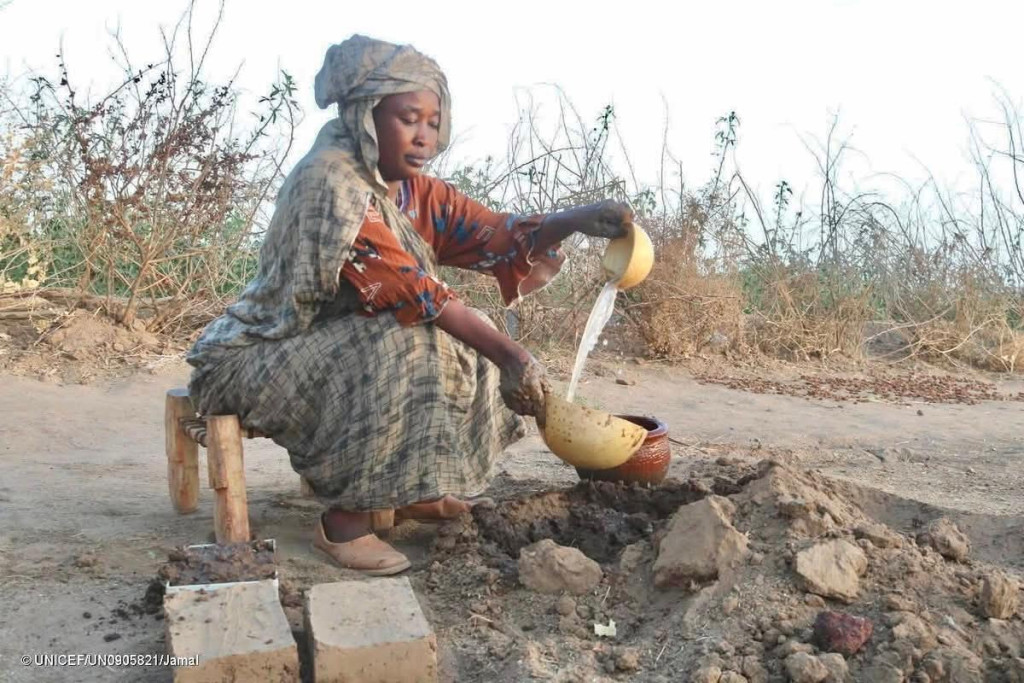
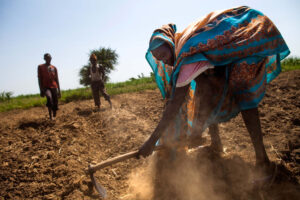
File photo: UNICEF
Residents of El Obeid, capital of North Kordofan, are facing a worsening drinking water crisis and soaring food prices, amid accusations that officials have failed to address the shortages while imposing heavy taxes and fees on goods entering the city.
The price of a jerrycan of water has risen to SDG 1,000, while a barrel now costs SDG 12,000, as shortages of drinking water worsen in the North Kordofan state capital.
The prices of essential goods, including sugar, flour, and cooking oil, have also risen sharply.
Omar Wad Abkar, a journalist based in El Obeid, told Radio Dabanga that the worsening water crisis was primarily the result of administrative and technical problems, and what he described as officials’ failure to find effective solutions, particularly after the security situation eased following army advances on the Kordofan fronts.
He said all water stations were now under army control, arguing that government explanations for the continuing crisis had no basis.
Wad Abkar said all roads leading to El Obeid were open and food supplies were reaching markets regularly. He attributed the sharp rise in consumer prices to the growing number of fees and levies imposed on goods.
In Geneva, Mohamed Chande Othman, chair of the UN’s Independent International Fact-Finding Mission for Sudan, warned that repeated Rapid Support Forces attacks on El Obeid had affected water, energy, and other vital civilian infrastructure.
Civilians, he said, were facing “repeated aerial threats, displacement, and pressure on already overstretched essential services”, as the Rapid Support Forces maintained a partial siege of the city.
Speaking to the Human Rights Council in Geneva on Monday 7 September, Othman said: “Based on the evidence we have gathered, we have found reasonable grounds to believe that both the Sudanese Armed Forces and the Rapid Support Forces have committed serious violations of international human rights law and international humanitarian law, which may amount to war crimes.”
Note: This report has been translated from Arabic with the assistance of artificial intelligence tools, and subsequently reviewed and adapted by a human editor before publication.
 and then