





ICC hears calls for reparations for Ali Kushayb victims in Darfur
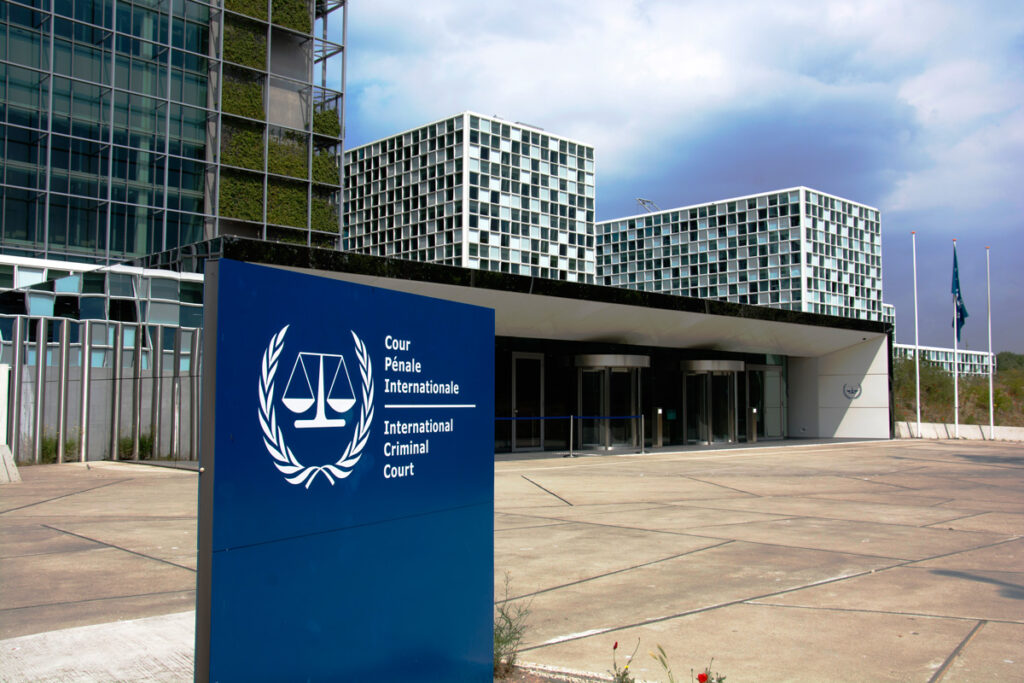
The International Criminal Court in The Hague, the Netherlands (File photo: Andrew Bergman / RD)
The International Criminal Court (ICC) in The Hague has heard calls for tangible reparations for victims of crimes in Darfur linked to Ali Kushayb, with their legal representative warning that many have waited more than two decades for redress. The hearing was to consider the scope and implementation of reparations for victims in the Darfur case against Ali Kushayb.
Judges of Trial Chamber I heard submissions from victims’ legal representatives, the prosecution, the Trust Fund for Victims, the Registry, organisations supporting victims and human rights, amicus curiae, the Sudanese government, if represented, and the defence. A decision will be issued at a later stage.
‘Effective and tangible’ reparations
Natalie von Wistinghausen, the victims’ legal representative, said priorities had been identified through direct consultations and surveys involving more than 1,100 responses.
She said reparations should bring real change to victims’ lives rather than amount to symbolic recognition alone.
Victims had been waiting since 2003, she said, and seven participating victims had already died, making delays particularly significant for elderly people and those at risk.
The proposed measures include support for return and reintegration, symbolic financial compensation, income-generating projects, medical assistance, support for vulnerable groups, and education.
For refugees in Chad, priorities include healthcare, children’s education, food security, income-generating activities, and self-sufficiency.
She said a single compensation model should be avoided because victims held different views on individual financial payments.
Right to return
The representative said return to original land was a central priority for victims, whose relationship with their land was closely linked to identity and livelihoods.
Victims were not necessarily seeking an immediate court order for the restitution of land, which the court could not directly enforce. Instead, they wanted recognition of their right to return and practical steps towards eventual restitution.
She called for mapping and documentation programmes to record villages as they existed before the attacks, including boundaries, neighbourhoods, roads, wells, schools, health centres, markets, cemeteries, grazing land, agricultural areas, and families’ links to the land.
The work should draw on records held by victims’ representatives, elders, and refugee camps, as well as satellite imagery and testimony from older community members, she said.
Mapping should take place before physical returns, with information verified by communities in cooperation with elders.
Challenges and flexible solutions
The representative highlighted major challenges, including the large number of potential beneficiaries, limited resources, difficulties in identifying and notifying eligible victims, security, and logistical obstacles, and what she described as limited effective cooperation from Sudanese authorities.
Victims are also living across Darfur, refugee camps in Chad, and elsewhere in the diaspora.
She said permanent structures in camps could perpetuate displacement and proposed flexible shelters that could be dismantled, adapted, and moved when people returned to their original areas. The shelters could be environmentally friendly, solar-powered, and used for different purposes.
Eligibility and collective reparations
The representative welcomed a proposal to recognise the Fur community as victims because of the widespread impact of the crimes, while distinguishing this collective recognition from identifying specific beneficiaries.
She said beneficiaries should include communities directly affected by the crimes of Ali Abdul Rahman in Bindisi, Mukjar, and Deleij, as well as direct and indirect victims, including witnesses who had suffered severe psychological harm.
She said the approach was consistent with previous ICC cases, including Lubanga, El Mahdi, and El Hassan, which recognised the wider impact of crimes while identifying beneficiaries within their geographical and temporal scope.
Eligibility checks should be integrated into community programmes rather than conducted as a separate stage, she said, to avoid delays.
Collective reparations could reach a wider section of society without complex individual verification, while reducing security risks and promoting social cohesion.
She added that the fact that Mukjar and Deleij were not destroyed did not mean their communities had not suffered persecution and other harm.
Reparations
At the ICC, victims can seek reparation for the harm they have suffered. At the end of a trial, if there is a conviction, the Trial Chamber may order a convicted person to pay reparations to the victims of the crimes of which they were found guilty. The Court may order such reparations to be paid through the Trust Fund for Victims. The Court may award reparations on an individual and/or collective basis, whichever is, in its view, the most appropriate for the victims in the particular case.
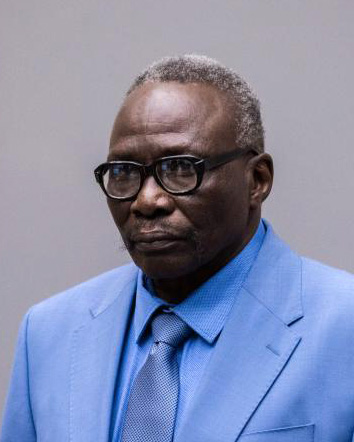
Background: On 6 October 2025, Trial Chamber I found Ali Muhammad Ali Abd-Al-Rahman (popularly known as Ali Kushayb) guilty of 27 counts of crimes against humanity and war crimes, in Darfur, Sudan, between August 2003 and April 2004. On 9 December, Trial Chamber I sentenced Abd-Al-Rahman to 20 years of imprisonment. The Defence and Prosecution filed their notices of appeal against the sentence on 8 and 9 January 2026, respectively. The Appeals Chamber will rule on these appeals in due course. On 9 December 2025, Trial Chamber I issued an order for submissions on reparations, with the relevant timeline and guidance for this process in this case.

 and then