





Economist: ‘Sudan’s middle class, swept away by war, must be revived’
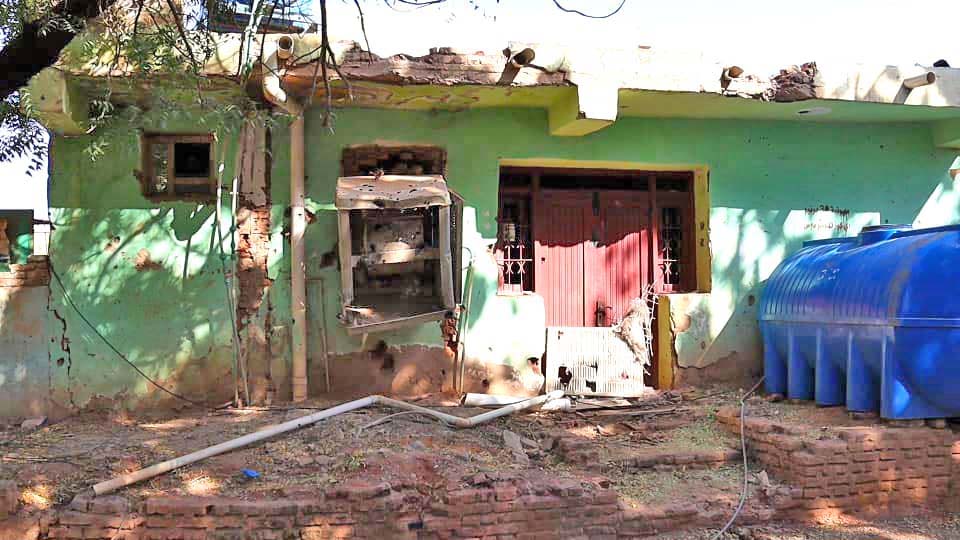
Homes and shops in Burri in Khartoum destroyed by bombing (File photo: Saeed Abdelmajeed)
As last week marked the UN World Day of Social Justice, economist Dr Abdel Halim Timan spoke to Radio Dabanga, outlining the judicial, educational and social impacts of the conflict. “In the current war conditions in Sudan, which have their roots in decades of imbalance in social justice since independence, the balance of social justice has been disrupted, and the middle class is almost entirely gone.”
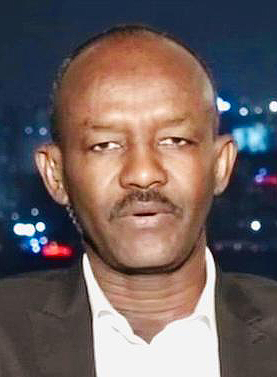
“Since the outbreak of the war in Sudan on April 15, 2023, the country has witnessed profound transformations that have directly affected the structure of society and the economy, leading to an increase in poverty rates due to the disruption of trade and exchange routes between states, the impact on export flows, and the collapse of production in most regions of the country,” he said.
Timan said farmers had abandoned traditional farms in remote states reliant on rain-fed agriculture. “The destruction also included irrigated farming areas, especially in the first year, when such areas were lost due to a lack of fuel caused by the war. This led to the loss of a large number of sources of income for Sudanese people, not only farmers but also artisans, daily wage workers, merchants and vehicle drivers.”
He added that the war had contributed to inflation and salary suspensions, with the Sudanese pound losing 85 per cent of its value since the outbreak of fighting. “All of this has led to a decrease in the standard of living and an increase in poverty rates.”
Timan told Radio Dabanga that the education and health sectors had also been hit hard across large parts of Sudan, with the greatest impact in remote rural areas. This has led to unequal access to services such as healthcare and education.
He said medicine supplies were largely absent in areas far from the centre, especially in western Sudan and areas under the control of the Rapid Support Forces, where citizens had been deprived of medicines, particularly maternity and childhood treatments and vaccines, raising fears of the return of serious diseases such as polio. Medicines for chronic conditions were also scarce and some dialysis centres had stopped operating. People with conditions such as diabetes and heart disease were struggling to access essential care.
According to Timan, the war has also increased unemployment, particularly among young people, following the disruption of studies in large parts of the country, especially in western Sudan. Opportunities to sit primary, intermediate and secondary certificate examinations have declined. He said this deepened inequality and pushed some young people towards recruitment by the warring parties, including the Rapid Support Forces, armed movements and the army, increasing the risk of continued conflict.
Timan added that a limited group had benefited from speculative activity, monopolies on goods, imports and tenders, and the emergence of arms dealers. This was occurring amid weak official institutions, contributing to the spread of corruption, nepotism and a shadow economy. He also pointed to what he described as an absence of justice, further deepening inequality.
‘The reality in Sudan today is tipping people from the former middle class into poverty every day, and that is the most serious form of social and economic injustice…’
He noted that some urban areas continued to have banks, universities, schools, medical services and access to humanitarian aid, foreign remittances and telecommunications.
By contrast, he said remote areas, particularly in the west of the country, lacked such services. “Access to these services has become linked to financial ability or geographical location, violating the principle of equal access to services and basic rights. This is a serious matter that must be addressed. The imbalance is worsening day by day.”
Timan warned that the erosion of the middle class would weaken long-term stability and complicate reconstruction. He said the war had reshaped the distribution of wealth and opportunities, widened regional and social gaps, and weakened state institutions, which he described as the main guarantor of equal opportunity. The decline of the middle class, traditionally a bridge between rich and poor and a driver of economic production, would have long-term consequences, he said.
He also highlighted widespread internal displacement. Residents of areas including El Fasher had moved to other cities, while large numbers from Kordofan had been displaced to White Nile state and to cities including Kosti, Khartoum and Omdurman. Others had fled the country to refugee camps. These movements had placed additional pressure on cities such as Port Sudan and Atbara. Displaced people remained among the most vulnerable to poverty and unemployment, he said, urging the state to address these developments.
Timan said the war had led to rising poverty, a widening social gap and declining economic justice. He called for efforts to address the imbalance, end the war, rebuild state institutions, enhance transparency, combat corruption and nepotism, and implement development policies aimed at reviving the middle class and ensuring a more equitable distribution of opportunities and services.


 and then