




Bankak outages disrupt Sudan’s digital payments and markets
(File photo: Wikimedia Commons)
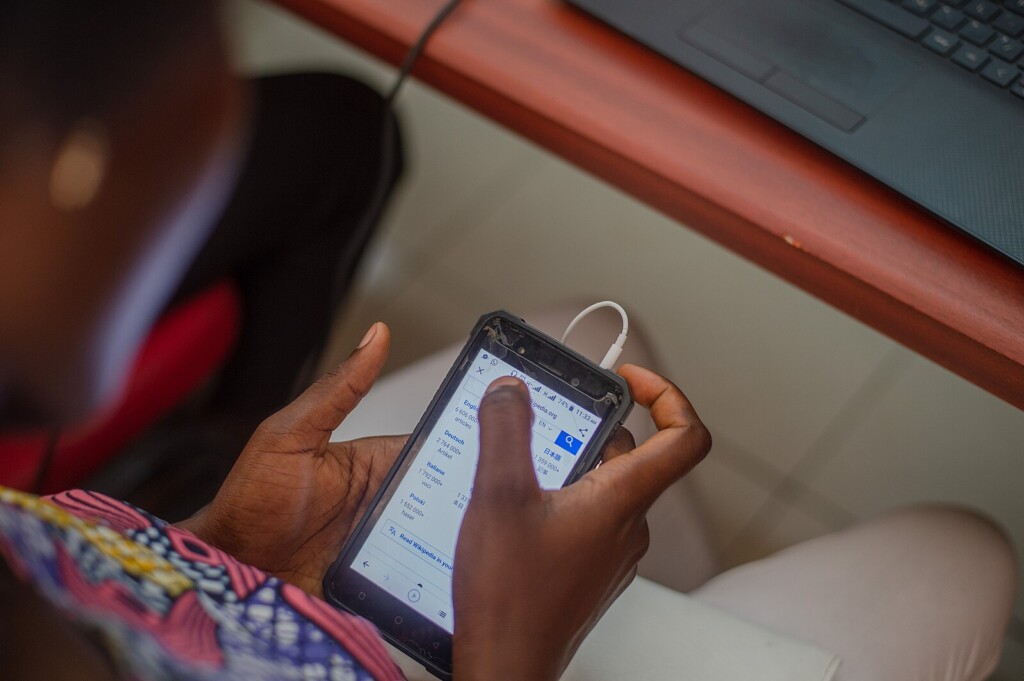
Intermittent outages affecting Bankak, an app offered by the Bank of Khartoum, and other electronic payment services have disrupted financial transactions and market activity, increasing demand for cash, according to bankers and technology experts.
Bankak and Faisal Islamic Bank’s Fawry service have suffered network failures, temporarily preventing customers from completing transfers and payments.
Journalist Ayman Mahmoud told Radio Dabanga that many Sudanese rely on Bankak for daily and commercial transactions, but the service continues to face difficulties processing transfers. Customers have begun choosing early mornings or late evenings to complete transactions when network pressure is lower.
Mahmoud said the disruption has affected purchases, utility payments and transport tickets, with some users considering switching to other financial applications.
‘Bank-to-bank transfers’
Banking expert Abdullatif Ali Ibrahim said Bankak remains Sudan’s leading digital transfer platform, while other banks offer services including Fawry, National Bank of Omdurman and Nile Bank.
He said communication between different platforms remains a problem and called for stronger infrastructure to support electronic payments.
“Electronic transfers during the war solve major problems and save citizens from dealing in cash,” he said.
Ibrahim ruled out a direct impact of Bankak’s disruption on the dollar exchange rate, but said interruptions affect electronic transfers, purchases and market activity, creating an indirect effect on foreign currency demand.
He said the issue had become an economic problem affecting livelihoods and traders, with some traders refusing to sell unless customers pay in cash.
‘Calls for greater transparency’
Retired police Maj Gen Dr Essam El Din Abbas, an information technology and data analysis consultant, said several banking applications suffered serious disruptions between late August and early September.
In an article published on social media, Abbas said banks’ silence had left customers relying on rumours and undermined confidence in digital banking.
He called for major outages to be treated as operational incidents, with banks assessing their impact, activating response plans and communicating transparently with customers.
Abbas also warned of duplicate transactions, deductions without completed transfers and discrepancies between balances, calling for clear systems to reconcile failed transactions.
Interconnected payment system
Abbas called for Bankak, Fawry and other platforms to be connected rather than operating as “isolated islands”.
He said Sudan needs a national interoperable payment system allowing transfers between banks, wallets and other financial institutions regardless of the platform used.
“The Central Bank of Sudan should lead this organisational and technical process,” he said.
Abbas pointed to Kenya’s mobile money system, where interoperability allows customers to transfer funds between different networks. He said Sudan should move towards a similar system that can continue operating when an individual application fails.
He identified five priorities: interoperability, a national payment gateway, disaster recovery, clear rules for managing outages and customer communication, and strong cybersecurity standards.




 and then