




AU and UN missions warn Sudan faces deepening atrocities — call for ceasefire, justice, civilian rule
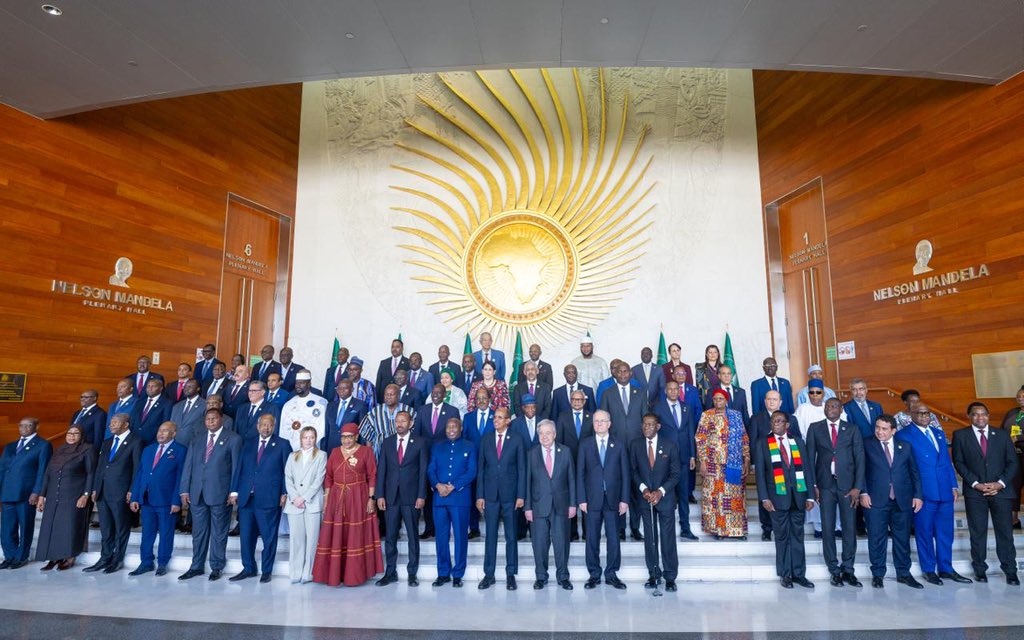
Delegates at the 87th session of the African Commission on Human and Peoples’ Rights, being held in Banjul, The Gambia, from 24 April to 20 May (Photo: Supplied)
African and United Nations investigators have warned that the war in Sudan is spiralling into a wider catastrophe marked by ethnic cleansing, starvation, sexual violence, and attacks on civilians, while urging the international community to intensify pressure on the warring sides. The statement underscores that while both the Rapid Support Forces (RSF) and the Sudanese Armed Forces (SAF) are responsible for grave violations of international humanitarian and human-rights law, abuses committed by the RSF have been “particularly widespread and systematic”. Sudanese parties have voiced reactions ranging from rejection by the Sudanese delegation, to a cautious welcome from others.
During the 87th session of the African Commission on Human and Peoples’ Rights, being held in Banjul, The Gambia, from 24 April to 20 May, the African Commission’s Joint Fact-Finding Mission on Sudan and the United Nations Independent International Fact-Finding Mission for the Sudan* highlight in a joint declaration issued yesterday, that the conflict has produced one of the world’s gravest humanitarian and human-rights crises.
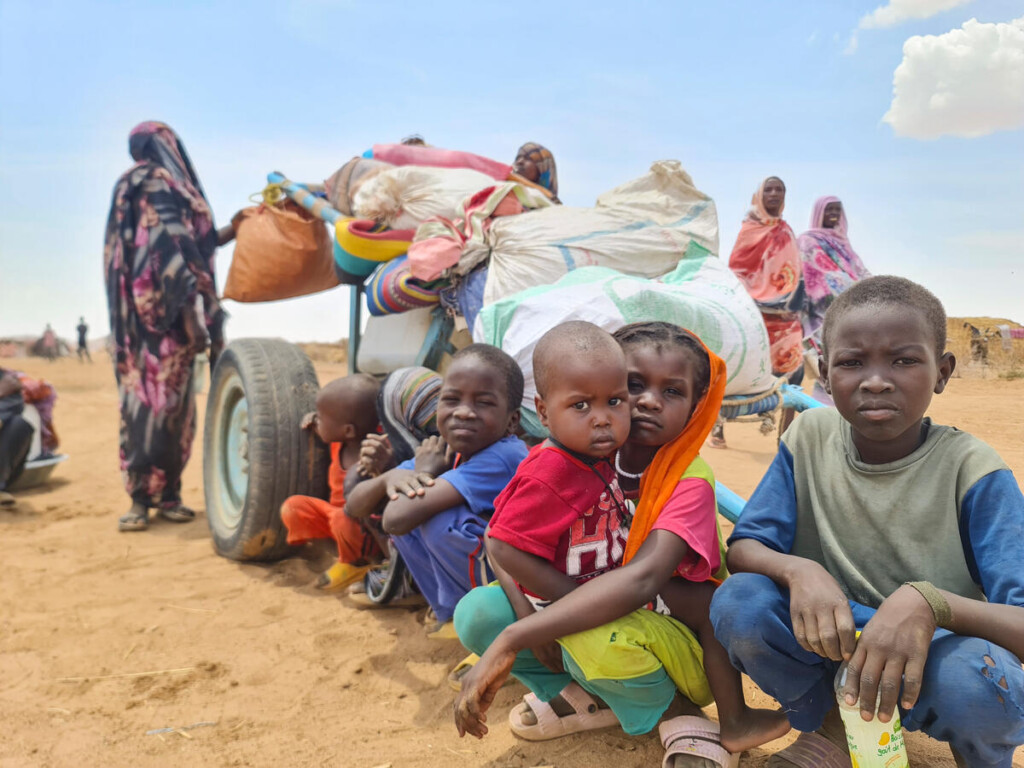
The statement says both the Rapid Support Forces (RSF) and the Sudanese Armed Forces (SAF), together with allied groups, were responsible for grave violations of international humanitarian and human-rights law. It adds that abuses committed by the RSF have been “particularly widespread and systematic”.
Darfur and Kordofan under scrutiny
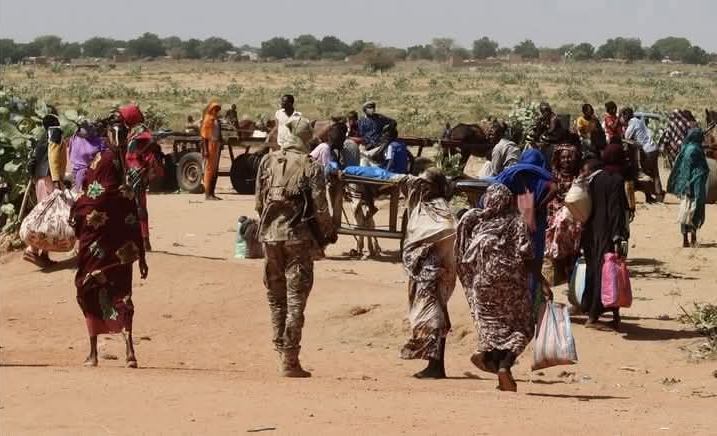
The investigators voice particular alarm over conditions in Darfur, especially El Fasher, and the Kordofan regions, where civilians were said to face siege conditions, forced displacement and ethnically targeted violence.
The declaration accuses the RSF of carrying out ethnic cleansing against indigenous communities in Darfur and Kordofan, and calls for displaced populations to be allowed to return home with guarantees for the protection of their cultural identity and resources.
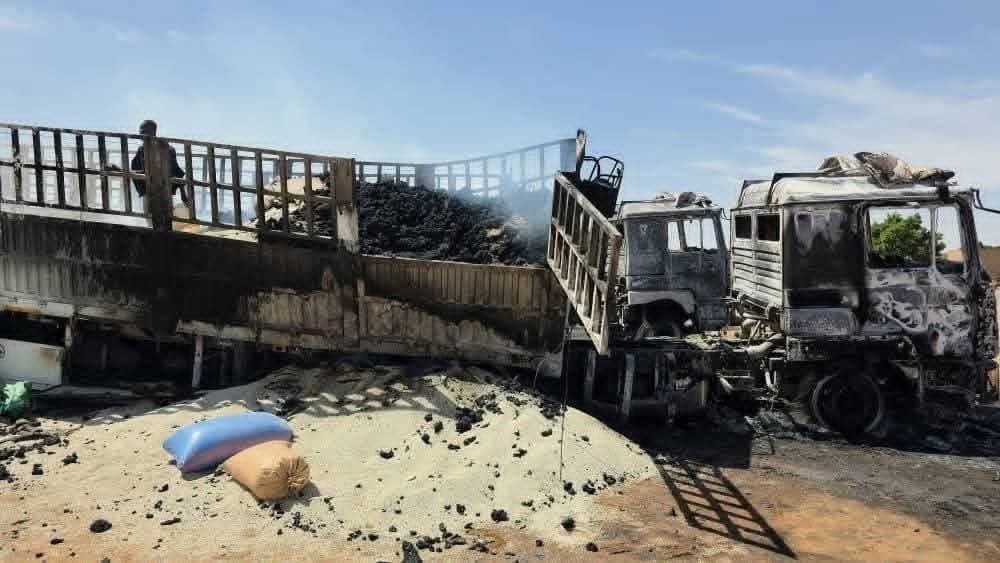
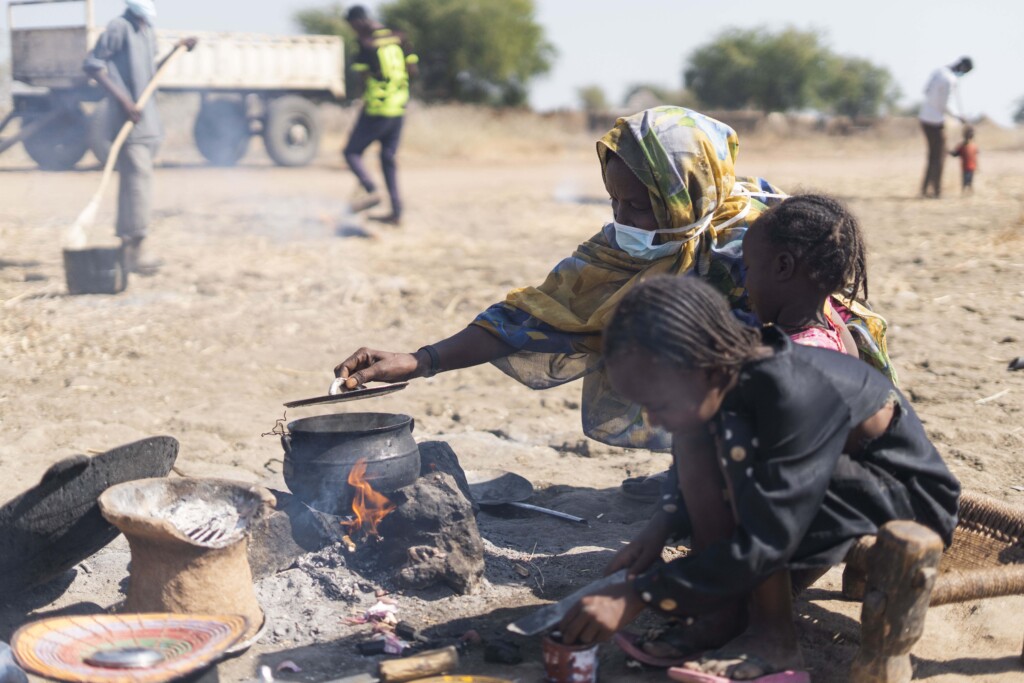
The missions also condemns attacks on hospitals, schools, markets, displacement camps, places of worship and humanitarian workers, warning that the destruction of civilian infrastructure was worsening hunger and accelerating the collapse of basic services.
Demands for ceasefire and aid access
The declaration calls for an immediate halt to attacks on civilians and urges the rival forces to move towards a credible ceasefire backed by monitoring mechanisms and confidence-building measures.
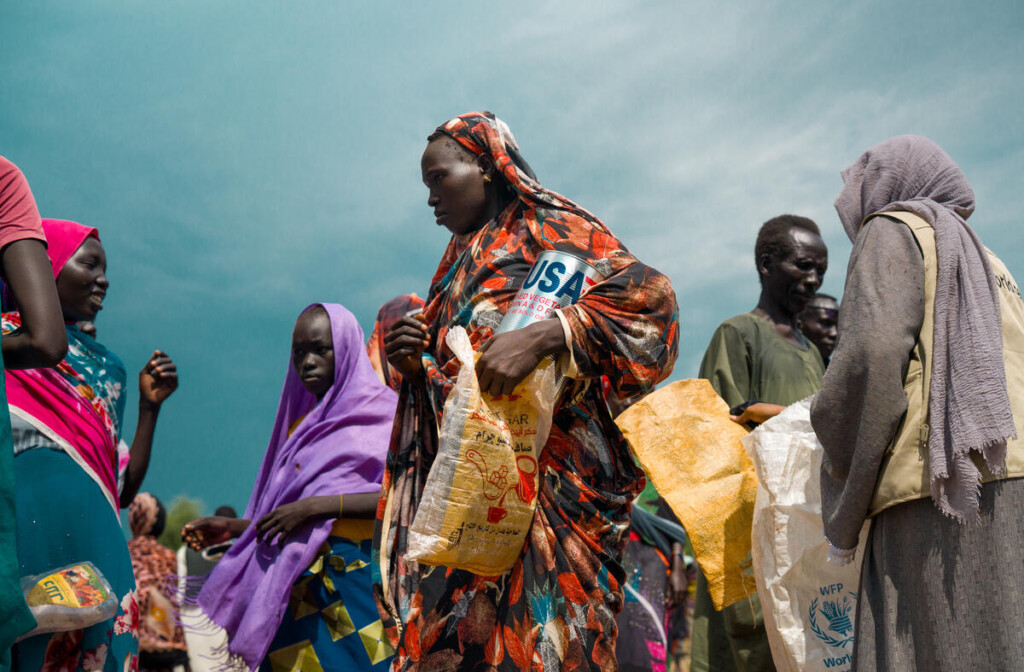
It demands unrestricted humanitarian access across Sudan and says all parties must stop obstructing relief operations or targeting aid personnel.
The investigators also highlight reports of arbitrary detention, enforced disappearances, torture, and conflict-related sexual violence. They call for survivor-centred medical, psychological, and legal support, alongside accountability for perpetrators.
Push for accountability
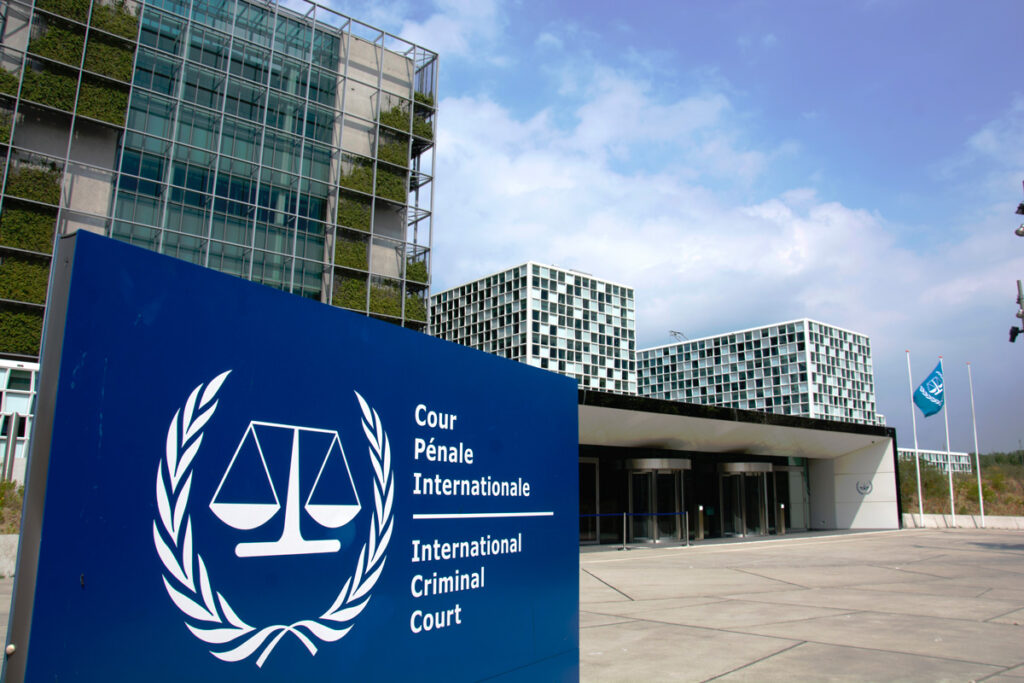
The statement urges full co-operation with the International Criminal Court and proposes the establishment of an African-led accountability mechanism to prosecute war crimes and crimes against humanity committed during the conflict.
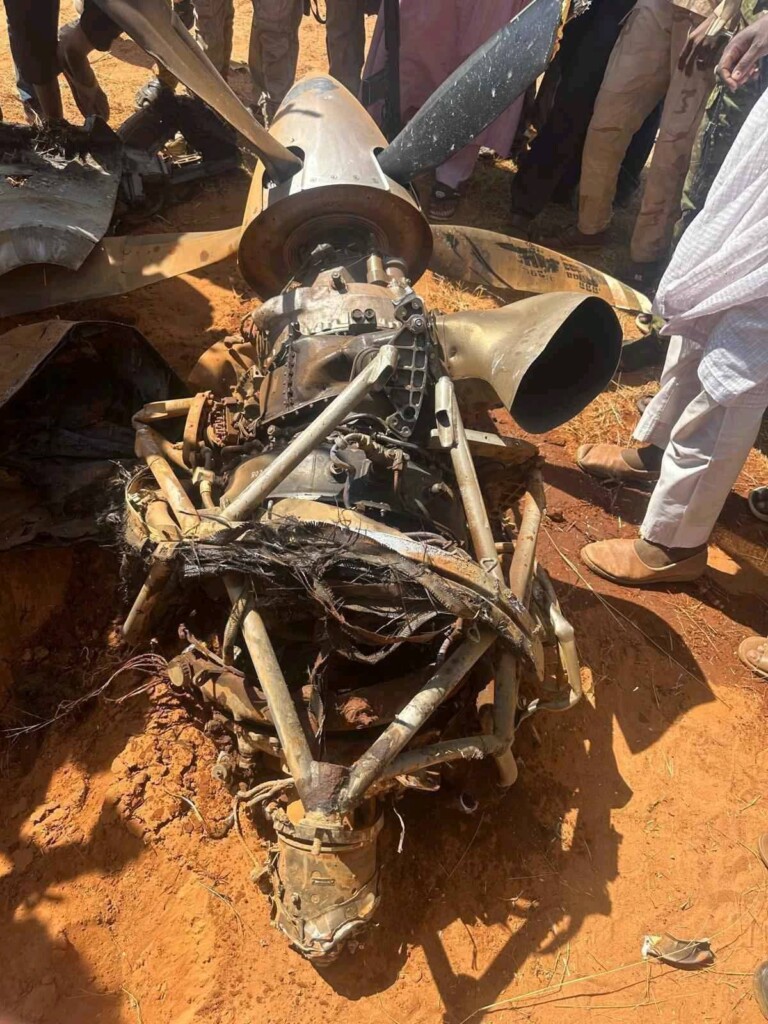
It also criticises outside actors accuses of fuelling the war through arms transfers, financial backing, and logistical support. Other states, it says, should prevent the flow of weapons and support to parties suspected of serious abuses.
‘No military solution’
The declaration concludes that Sudan’s conflict could not be resolved through military force alone.
Instead, the investigators argue that lasting peace would require an inclusive civilian-led political process involving women, young people, civil society organisations, and communities from across the country.
They pledge to continue documenting abuses and preserving evidence for future justice efforts, while urging regional and international actors to intensify efforts to protect civilians and prevent further mass violence.
Reaction
The Sudanese delegation participating in the 87th plenary session of the Commission on Human and Peoples’ Rights announced its rejection of the draft joint statement entitled the Banjul Joint Declaration.
The Sudanese delegation justified its position by stating that the joint statement lacked the “legal basis” that would legitimize this action, and in the absence of this legal basis, this joint action is outside the scope of legal legitimacy.
The Sudanese delegation also expressed its criticism of the African investigation team’s submission of an incomplete report, which, as they indicated, merely visited refugee camps abroad and conducted some virtual interviews.
In his speech delivered yesterday by Ambassador El Zein Ibrahim Hussein, Sudan’s representative to the African Union, before the session in Banjul, the delegation called for the African team to meet with the national mechanisms responsible for investigating violations of international and national humanitarian law within the country, as well as law enforcement agencies, and to listen to the victims inside before entering into such a commitment with international bodies. Sudan refused to deal with them because there are also international mechanisms inside the country affiliated with the United Nations.
Civil and political welcome
The Commission on Justice (CFJ) welcomed the adoption of the “Banjul Joint Declaration on Sudan” by the joint international and African fact-finding missions, stressing that it represents an important development towards strengthening coordination and integration between the human rights and accountability mechanisms of the African Union and the United Nations in dealing with the ongoing crisis in Sudan.
The Justice Committee, in a statement seen by Radio Dabanga, stressed the importance of working to effectively implement the recommendations and commitments contained in the declaration, including protecting civilians, ensuring humanitarian access, combating impunity, and supporting a comprehensive, civilian-led path towards peace and democratic governance in Sudan.
Sudanese Congress Party
In the same context, the Sudanese Congress Party welcomed the Banjul Declaration, the joint declaration on Sudan, noting that it clearly expressed the scale of the humanitarian disaster and the grave violations suffered by civilians in Sudan since the outbreak of war in April 2023.
In a statement seen by Radio Dabanga, he said that the documentation of killings, grave violations, and the systematic targeting of civilians and infrastructure facilities in the statement confirms once again the horrific repercussions of this war on Sudan and its people, and that its continuation means the widening circle of collapse and daily suffering for millions of Sudanese.
The Sudanese Congress Party reaffirmed its firm position consistent with what was stated in the Banjul Declaration, noting that the future of Sudan cannot be built with weapons and violence, but rather with a national will that adopts the option of a political solution leading to a just and sustainable peace, and the rebuilding of the nation on the foundations of freedom, justice and equal citizenship.
The party also commended the efforts of human rights defenders, humanitarian workers, and all civil initiatives that continued to work in extremely harsh conditions to alleviate the repercussions of the humanitarian disaster.
Background:
The Independent International Fact-Finding Mission for the Sudan was established by the UN Human Rights Council in October 2023 through resolution A/HRC/RES/54/2. Its mandate was last extended for an additional year in October 2025 with resolution A/HRC/RES/60/3. The Fact-Finding Mission’s key task is “to investigate and establish the facts, circumstances and root causes of all alleged human rights violations and abuses and violations of international humanitarian law, including those committed against refugees, and related crimes in the context of the ongoing armed conflict that began on 15 April 2023, between the Sudanese Armed Forces and the Rapid Support Forces, as well as other warring parties.”
 and then