





Sudan’s women leaders: ‘El Burhan’s dialogue meaningless without a ceasefire’
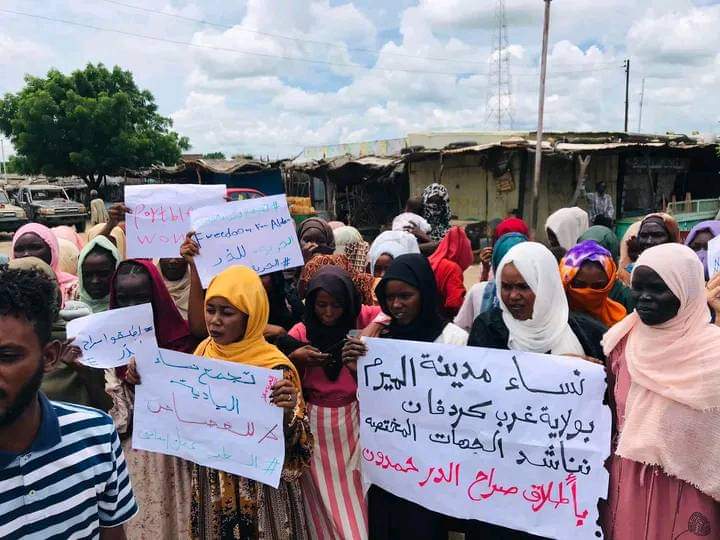
Protest by Sudanese women (File photo for illustration: RD)
Sudanese women political and human rights leaders have criticised army chief Abdelfattah El Burhan’s call for political dialogue, saying that any political process not preceded by clear steps to stop the war, create a suitable environment and ensure genuine participation by civilian forces risks becoming an attempt to reproduce past political experiences rather than address the roots of the crisis.
Speaking to Radio Dabanga’s Radio Dabanga’s Kandakas & Miarems programme, they said a political process launched without these steps could ultimately fail to address Sudan’s crisis.
‘El Burhan seeking to make himself president’
Hiba Ahmed, a member of the leadership bureau of the opposition Beja Congress, told Radio Dabanga that the current call for political dialogue was intended, in her view, to prevent any genuine dialogue that could lead to an end to the war and address its root causes.
She said army chief Abdelfattah El Burhan was seeking to consolidate his political position and install himself as president of the republic.
Ahmed accused the Islamist movement of designing the current dialogue process in order to return fully to power and pursue its political and ideological agenda. She said talk of guarantees, amnesty and temporary immunity was not based on sound political or legal foundations, describing the proposals as an attempt to reassure political forces without providing genuine guarantees.
She called for adherence to the plan announced by the Quad in September 2025, which, she said, links an end to the war with a political process. This should begin with a humanitarian truce leading towards a ceasefire, guarantees for the delivery of humanitarian aid and the protection of civilians, followed by a political process.
Ahmed said her position was that the National Congress Party and the Islamist movement should not participate in the next political process. Any dialogue that did not clearly address these issues, she said, would not bring the crisis to an end.
Ceasefire first
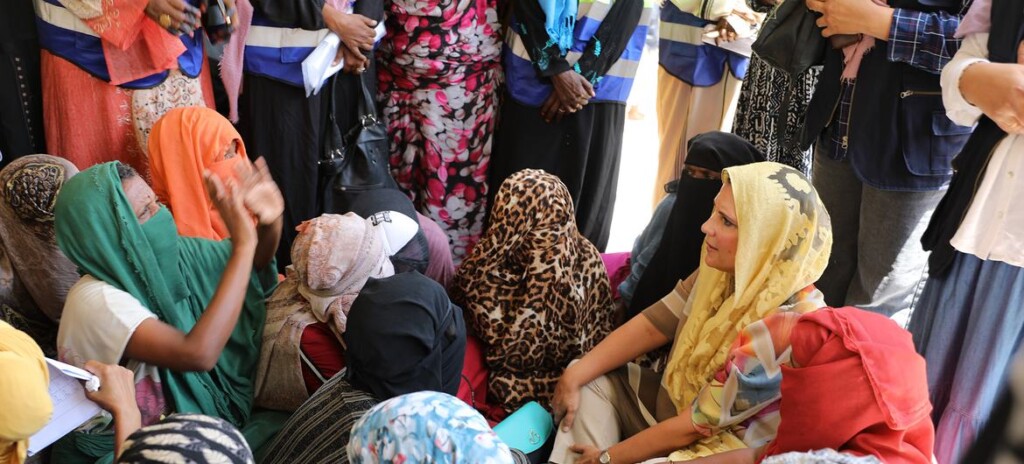
Sudanese lawyer, human rights activist, and international law expert Noon Kashkoush said al-Burhan’s statements on dialogue, guarantees and amnesty represented, in her view, a pattern repeated throughout Sudan’s political history, in which military and coup governments sought political legitimacy by launching dialogue initiatives.
In an interview with Radio Dabanga, Kashkoush compared the current initiative with what became known during ousted president Omar Al Bashir’s rule as the “National Dialogue” or “El Wathba Dialogue”. She said the focus of such initiatives sometimes shifted towards the form and slogans of dialogue rather than its substance and the fundamental issues it was supposed to address.
Any political dialogue taking place while the war continued, without addressing the issue of ending the fighting, would remain, in her view, “empty of substance”, she said. The priority should be negotiations with the parties to the conflict to reach a ceasefire and humanitarian truce before moving to the political stage.
The political process, she said, should come later, with agreement on its structure and participants following an end to the war. She noted that many civilian forces were insisting that the National Congress Party be excluded from any future political process.
She also criticised the use of laws to restrict the movement of political leaders and civilian activists, saying this undermined confidence in any guarantees offered in relation to dialogue or amnesty. The current environment, she said, did not provide sufficient guarantees for a serious political process.
Kashkoush described the current call for dialogue as a “media stunt” and an attempt to seek political legitimacy. She warned that continued war and the absence of a genuine settlement could push Sudan towards an even more complicated reality, including entrenching divisions between areas controlled by different forces.
Declaration of principles before dialogue
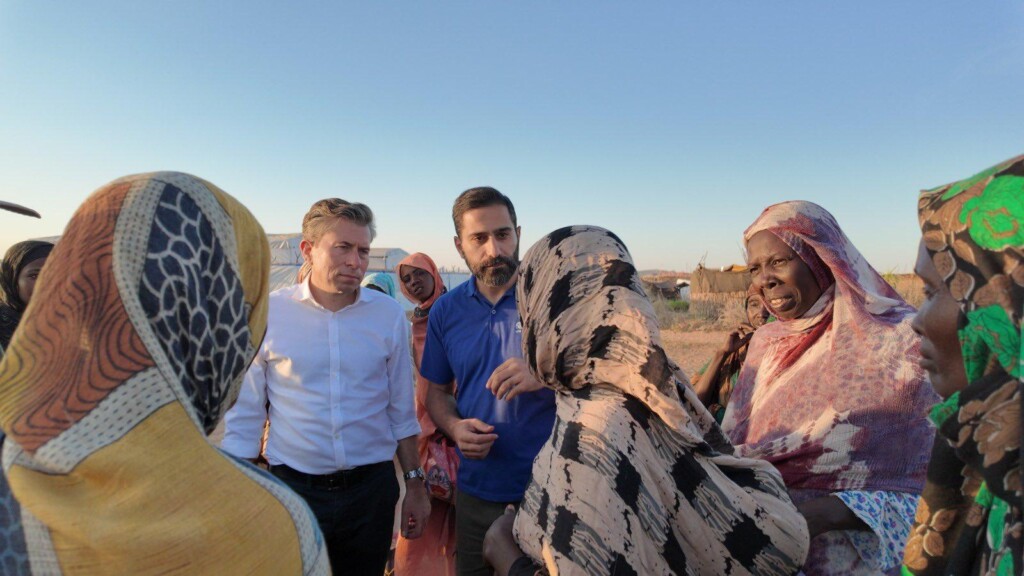
Azza Mohamed Ahmed, a member of the Women for Peace and Security group, said dialogue was not in principle unacceptable. It remained necessary and inevitable regardless of how long the war continued, she said, but stressed that it must not be used to serve the interests of a particular political party.
The group includes women from conflict-affected areas of Darfur, South and West Kordofan, Blue Nile and eastern Sudan.
Ahmed told Radio Dabanga that any serious dialogue should be preceded by extensive discussions on the fundamental issues, foremost among them ending the war and the guarantees needed to make any new truce successful, particularly given the reservations of the parties to the conflict about the outcome of previous truces.
She called for an official and clear declaration of principles before dialogue begins, setting out the issues to be discussed and the objectives being pursued. It should also address questions over whether the fighting can be stopped, the terms of any truce and the guarantees required to implement it.
Such a declaration, she said, was a necessary first step towards creating the conditions for any serious political process.

Editor’s note: This article was translated from Arabic with the assistance of artificial intelligence, and subsequently reviewed and adapted by a human editor before publication.


 and then