





IOM: 200k+ displaced across Kordofan as fighting intensifies
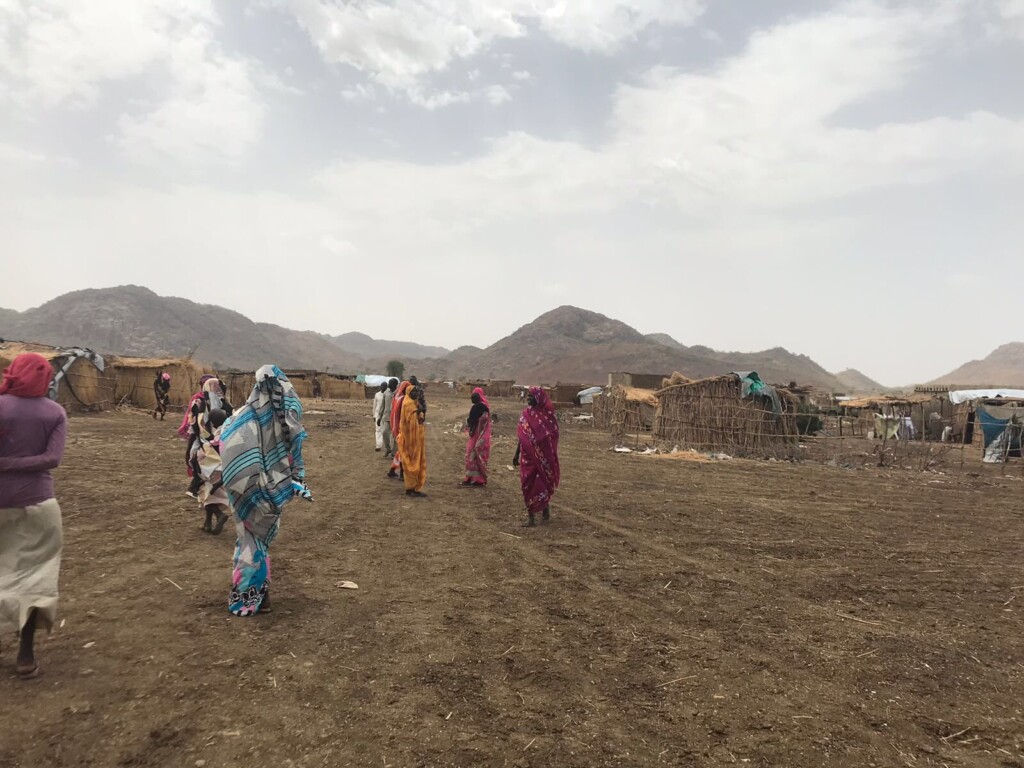
Displaced in Kadugli, capital of South Kordofan, in 2018 (File photo: UN / Martin Griffiths)
More than 200,000 people have been displaced across Sudan’s Kordofan region since the end of 2025 as fighting between the Sudanese Armed Forces (SAF) and the paramilitary Rapid Support Forces (RSF) intensifies, the International Organization for Migration (IOM) said.
Displacement in Sheikan locality, which includes El Obeid, has risen by 25 per cent over the past eight months.
In a statement published on Monday, IOM warned that Sudan’s humanitarian crisis is worsening as conflict, infrastructure damage and flooding compound the suffering.
IOM Director General Amy Pope said “the warning signs are impossible to ignore” as families flee violence and lose access to water, electricity and healthcare.
She warned that “without urgent action to protect civilians and restore essential services, the suffering will deepen.”
Fighting and drone strikes have also disrupted essential services. Recent attacks damaged El Obeid’s main electrical transformer, causing prolonged power cuts that disrupted water supplies, healthcare and communications.
The IOM described the humanitarian situation as “catastrophic”, with heavy seasonal rains further worsening conditions.
‘Healthcare system under pressure’
The World Health Organization (WHO) says 37 per cent of Sudan’s health facilities are out of service because of attacks, destruction, staff and medicine shortages, and disrupted power, water and supply chains.
The WHO has documented 217 attacks on healthcare since the war began in April 2023, killing 2,052 people and injuring 810.
Around 21 million people currently lack access to the healthcare they need, while more than four million face the risk of severe malnutrition this year.
‘Thousands flee Nuba Mountains’
In South Kordofan state, 17,340 people have fled to Ambong district in the Nuba Mountains following recent fighting in Kauda and other parts of Heiban locality, according to local authority reports.
Acting Ambong governor Abdelmajed Hassan Mari said authorities had established two shelters and were preparing an existing camp to accommodate incoming displaced families.
He said host communities had welcomed the arrivals and that no conflicts had been reported between displaced families and local residents.
Mari appealed for urgent humanitarian assistance, including shelter materials, drinking water, healthcare and sanitation supplies, warning that the rainy season is increasing the risk of disease outbreaks.



 and then