




New UN Human Rights report: ‘Brutal use of sexual violence in Sudan’
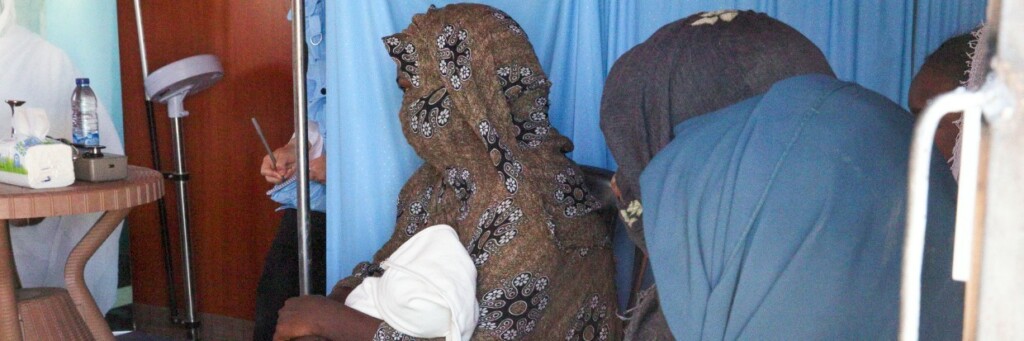
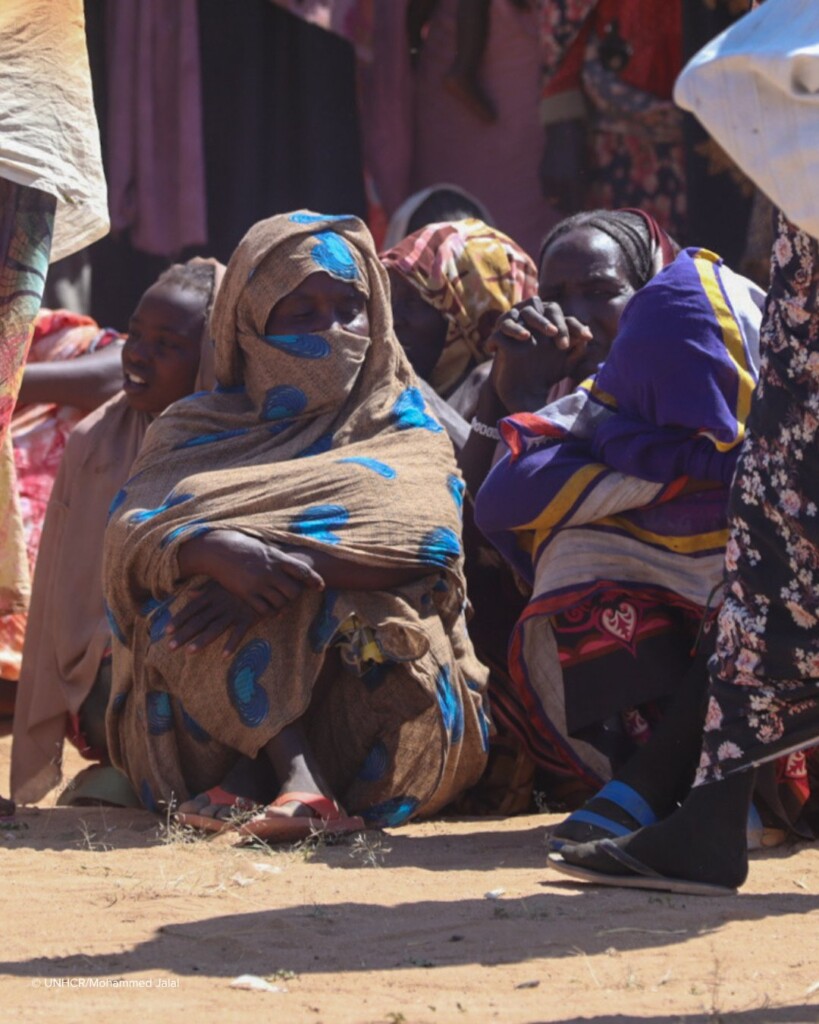
Women await mediac treatment in Sudan - (File photo for illustration: OHCHR/Anthony Headley)
A new UN Human Rights (OHCHR) report published yesterday lays bare the brutality and magnitude of conflict-related sexual violence in Sudan since the outbreak of the war in April 2023, and its profound, long-term impacts on victims, families and communities. The report finds that sexual violence has accompanied the geographic spread of the conflict, as well as displacement journeys. It has been used consistently as a tactic to terrorise and traumatise the civilian population.
“Unless the patterns and impacts of conflict-related sexual violence are addressed through justice, victim-centred responses and efforts to tackle stigma and discrimination, peace and social cohesion in Sudan risk being undermined for years to come,” says the report.
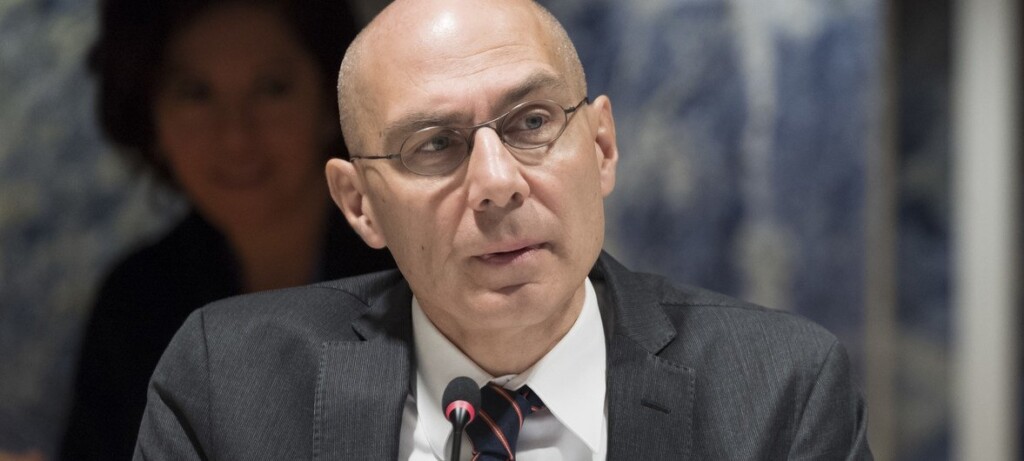
“As I warned at the end of my mission to Sudan in January, sexual violence is being used as a weapon of war. This is a war crime and, if committed as part of a widespread or systematic attack, a crime against humanity,” said UN High Commissioner for Human Rights Volker Türk.
Crimes against humanity — 546 incidents of conflict-related sexual violence in 16 of the 18 states of Sudan…
In Darfur, there are reasonable grounds to believe that some acts of sexual violence, committed in the context of a widespread and systematic attack against the civilian population, may amount to crimes against humanity, says the report.
The OHCHR says it has verified 546 incidents of conflict-related sexual violence in 16 of the 18 states of Sudan from the beginning of the conflict to mid-April this year, affecting at least 838 victims – 539 women, 284 girls, eight men and seven boys.
These figures represent only the tip of the iceberg of the actual magnitude of incidents, says the report, as persistent underreporting has obscured the full scale of the prevalence of sexual violence.
Most of the verified incidents were attributed to men in Rapid Support Forces (RSF) uniforms, its affiliates and Arab militias. Incidents have also been attributed to the Sudanese Armed Forces (SAF), affiliated security actors, the Joint Forces, other armed movements and armed militias.
Since the outbreak of the conflict, says the report, sexual violence has been perpetrated in conjunction with systematic and coordinated attacks on civilians as a tactic of war. Forms of sexual violence documented by the OHCHR include rape and gang rape, sexual slavery, forced marriage, forced prostitution, sexual torture, and trafficking for the purpose of sexual violence.
‘Almost a quarter of the incidents involved gang rape…’
Almost a quarter of the incidents involved gang rape, the report says. One documented attack involved at least 10 perpetrators who raped a girl. Repeated patterns include the use of sexual violence as a means of controlling civilian movement, abductions linked to sexual violence, sexual slavery and sexual violence in detention. The OHCHR says it has documented the cases of at least 85 women and girls who were held in sexual slavery and compelled to undertake domestic labour and generate income.
The report also documents the deaths of at least 13 victims (women, men and children), mostly following brutal gang rapes. The youngest was nine years old. Many more suffered from serious medical complications exacerbated by the absence of functioning health facilities. At least 59 women and girls became pregnant or bore children from rape.
Sexual violence has been perpetrated as retaliation based on perceived affiliation with specific parties, in addition to ethnically motivated attacks, the report finds. Many ethnic Masalit victims from West Darfur shared that attackers asked about their tribe before raping them. Victims reported having been told, in 2023, “This year, all of you Masalit girls will deliver our children,” and “If you are Masalit, we will slaughter you today”.
Türk called for timely, independent and impartial investigations into acts of sexual violence committed during the conflict, in order to ensure accountability.
“Persistent impunity is clearly deepening harms and reinforcing cycles of violations and abuses,” Türk said.
“All perpetrators, including those exercising command responsibility, must be held fully accountable, and victims must be guaranteed access to effective remedy, including reparation.”
It calls on the parties to the conflict to, among other things, take concrete and verifiable measures to prevent sexual violence and urges the international community to ensure justice and accountability remain central to their support for efforts towards a ceasefire and resolution of the conflict.
A pattern two decades in the making
Prominent Sudan scholar Prof Eric Reeves, who is also co-chair of Team Zamzam, points out: “There is a reluctance to come to terms with the reality of rape in Darfur and elsewhere in Sudan with the expansion of the war by the RSF…”. Team Zamzam is a group of women, originally formed in 2021, who provide counselling to victims of sexual violence. They began operations in the vast Zamzam camp for displaced people near the El Fasher, until the camp was all but obliterated during the April 13 2025 RSF ground offensive, and has since moved most of its operations to assisit Sudanese refugees in eastern Chad, and is one of the only resources for girls and women traumatised by sexual violence and abuse.
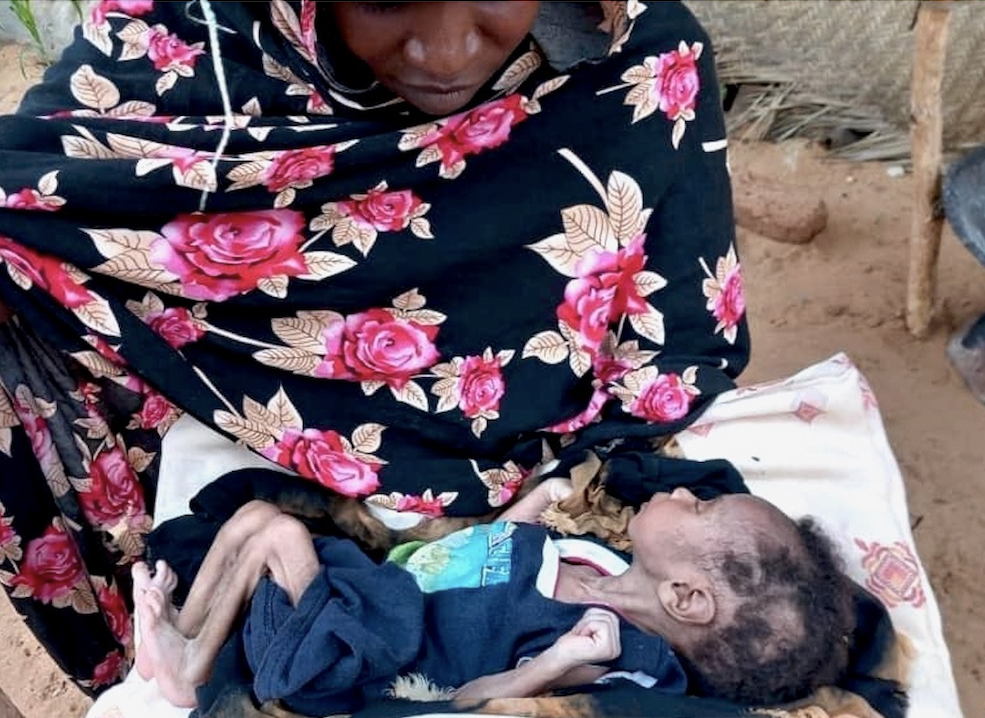
The fall of El Fasher in late 2025, which was accompanied by mass rape, saw the Saudi Maternity Hospital sustain a brutal attack by the RSF. Approximately 460 people were killed inside, many of them patients.
“That was one of the most shocking episodes of the war to date,” Reeves said. “There is a reluctance to come to terms with the reality of rape in Darfur and elsewhere in Sudan with the expansion of the war by the RSF.”
‘No safe place for women and girls in Darfur’
As previously covered by Radio Dabanga, a report entitled There is something I want to tell you…: Surviving the Sexual Violence Crisis in Darfur published in March 2026 by Médecins Sans Frontières / Doctors Without Borders (MSF), documents widespread and systematic sexual violence across roads, fields and displacement camps, both in acute conflict zones and far from front lines. ‘Sexual violence is a defining feature of this conflict — not confined to frontlines, but pervasive across communities… this war is being fought on the backs and bodies of women and girls,’ Ruth Kauffman, MSF, Emergency Health Manager pointed out at the time.
“Given the cultural taboo associated with rape, women are reluctant to report it to the few medical workers present in refugee camps, which can lead to further medical complications of injuries they may have sustained during the rape,” a 2004 Amnesty International report noted.
Read the complete OHCHR report here (PDF)



 and then