




UNICEF rep: ‘Sudan’s children enduring living nightmare’
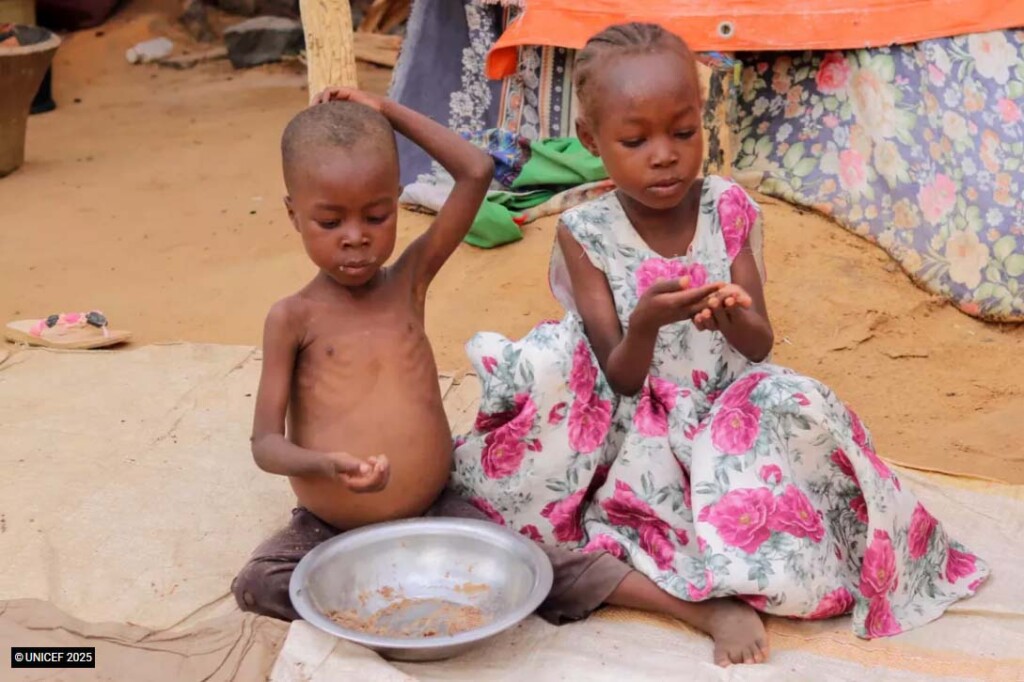
Displaced children in Darfur eat a meal made from ambaz, which is usually used as animal feed (Photo: UNICEF)
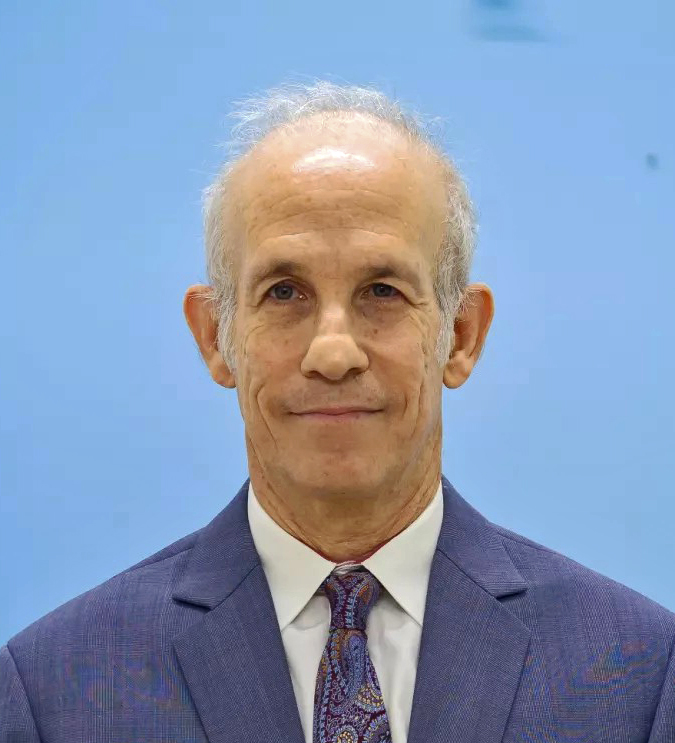
For more than two and a half years, Sudan’s children have endured a living nightmare. The conflict has left millions of children without protection, out of school, and without basic services, says Sheldon Yett, representative for the United Nations Children’s Fund (UNICEF) in Sudan. Speaking to Radio Dabanga on Tuesday, Yett laments that his organisation is aware that “children displaced from El Fasher, elsewhere in the Kordofans, living in towns such as Tawila, living throughout North Darfur, in Dhaba, Kosti, are facing extremely difficult conditions.”
In the interview with Radio Dabanga, UNICEF Sudan representative Sheldon Yett points out that many of these children have been displaced multiple times. “We know that unaccompanied and separated children have been identified in every corner of the country. Among them are over 900 children in North Darfur. Many of these children, of course, were separated after the fall of El Fasher. We know that there are at least 300 children who are unaccompanied in the Kordofans, but these are just the tip of the iceberg. We know there are many, many more, and the number continues to go up by the day.”
Children traumatised
Yett underscores that “these children are malnourished, many are traumatised, and all of them are in need of protection, health, education services, and community.” He says that UNICEF, in coordination with its partners, is working to provide safe spaces and child protection services for all of these children.
“We’re working to trace them, to find their families, to find them homes. We’re working to ensure that temporary shelters are in place. But most importantly, we want them to go home. We want them to be in their own families. We want them to be free from the risks of sexual exploitation, forced labour, or, of course, child recruitment*.
“Ongoing field assessments are going on across the country. We continue to get new reports by the day, and we continue to work with our partners in government and in the community, with national NGOs, with international NGOs, and with sister UN agencies to ensure that all unaccompanied and separated children get the support they require,” Yett concludes.
*Child labour
As Sudan continues to face one of the world’s most complex humanitarian crises, the rise in child labour underscores the urgent need for a coordinated response. As reported by Radio Dabanga on the World Day Against Child Labour in June, according to the 2024 UNICEF Multiple Indicator Cluster Survey (MICS), 25 per cent of children aged 5 to 17 work, with higher rates in conflict regions, 49.4 per cent in East Darfur and 48.2 per cent in South Darfur, compared to 7.5 per cent in Khartoum. Children mainly engage in agriculture, herding, artisanal mining, domestic service, and informal urban jobs, often lacking legal protection or safe conditions.
Sudan’s situation demonstrates how child labour is often linked with conflict, displacement, hunger, and institutional challenges. Although international conventions provide protections, enforcing them necessitates effective systems, which are currently compromised in Sudan.
According to UNICEF Sudan, approximately 23 million children are exposed to violence, abuse, or exploitation, which increases their likelihood of entering child labour, according to UNICEF Sudan’s child protection overview.
A UNICEF briefing note adds: ‘‘children face recruitment and use by armed actors’’ amid ‘‘grave violations,” reflecting mounting pressures on vulnerable youth. It also states that “Children are being killed, maimed, and displaced, with grave violations reported daily. Many face recruitment and use by armed actors, child labour, and early marriage.”
 and then