





Syndicate calls for the swift resettlement of Sudanese journalists under threat in Libya
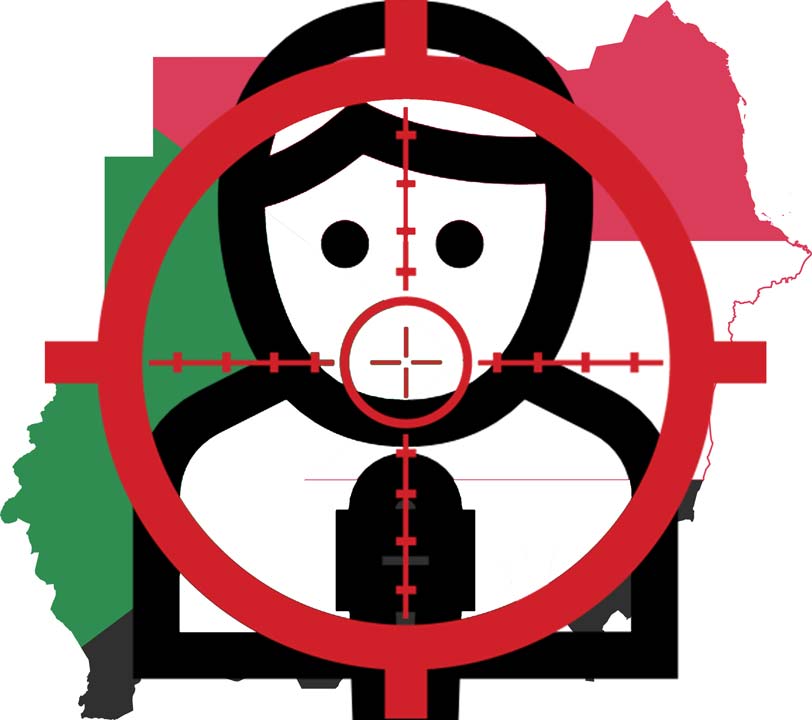
Graphic: RD
The Sudanese Journalists Syndicate has called on the UN Refugee Agency to strengthen urgent protection mechanisms for journalists at risk in Libya, including rapid resettlement for cases facing imminent threats.
During the first week of June 2026, the Sudanese Journalists Syndicate documented a dangerous escalation in hate speech, threats, and harassment targeting Sudanese journalists residing as refugees in Libya. These violations occur within the context of a growing campaign of hostility against foreigners and migrants in several Libyan cities, transforming what was once a temporary refuge into an extremely dangerous environment.
The Freedoms Secretariat of the union documented, in a report issued today, documented testimonies from 39 Sudanese journalists who fled the war and violations in Sudan.
The union expressed its deep concern that the continuation of this atmosphere will lead to the professional and humanitarian isolation of these journalists, and expose their lives to imminent danger, especially given their inability to return safely to Sudan due to the war or direct threats to their previous journalistic work.
The union stated that 23 of the journalists monitored were male (59 per cent), while 16 were female (41 per cent). It also noted that 28 journalists (72 per cent) were officially registered with the UNHCR, while 11 (28 per cent) were unregistered and at risk of deportation and arrest.
The report explained that 17 journalists reside in areas classified as “extremely dangerous,” including armed conflict and organized crime, while the number of documented incidents of threats and insults reached 12 incidents in just one week.
Documented violations
The report indicated that the most prominent patterns of documented violations received and investigated by the union include: direct threats of physical violence and murder, hate speech and incitement to expel Sudanese people, racial discrimination in access to basic services (bread, treatment, transportation), and attempts at physical assault using sharp tools and sticks.
The 39 journalists are distributed across the cities of: Tripoli, Benghazi, Al-Kufra, Misrata, Al-Bayda, Ajdabiya, Ubari, Sirte, and Surman.
The reports received by the Secretariat indicate that hate crimes against Sudanese people have transformed from isolated incidents into a systematic and hostile environment. Journalists’ testimonies included violations that went beyond mere rhetoric to physical acts, such as arbitrary arrest, threats of physical violence, discrimination in access to basic services, and repeated harassment of female journalists.
The testimonies show that Sudanese journalists are living in a state of “open house arrest” due to the conditions, and they also indicated the impossibility of practicing journalism in light of the public’s fear of dealing with them or their personal fear of appearing; since returning to Sudan means death or imprisonment, and staying in Libya means facing daily hatred.
Recommendations
The report called on the Libyan authorities (the Government of National Unity and the Presidential Council) to immediately instruct the Ministry of the Interior to open an investigation into incidents of hate speech and take deterrent measures against the perpetrators. It stressed the need to guarantee the protection of all residents, regardless of their nationality, and to officially declare the rejection of any discriminatory practices.
It also called on the United Nations High Commissioner for Refugees (UNHCR) to strengthen emergency protection mechanisms for journalists at risk, including rapid relocation for cases facing imminent threats.
The report called for urgent assistance to be provided to 11 unregistered journalists to register their status and evacuate them from extremely dangerous areas.
It also urged Reporters Without Borders (RSF) and Amnesty International to include Libya in their monitoring reports on the situation of foreign journalists and refugees. Furthermore, it called on both organizations to issue urgent statements of solidarity and to pressure the international community to provide safe passage for Sudanese journalists wishing to leave.

 and then