





Sudan’s Finance Minister pins Pound’s fall on growing demand for US Dollars
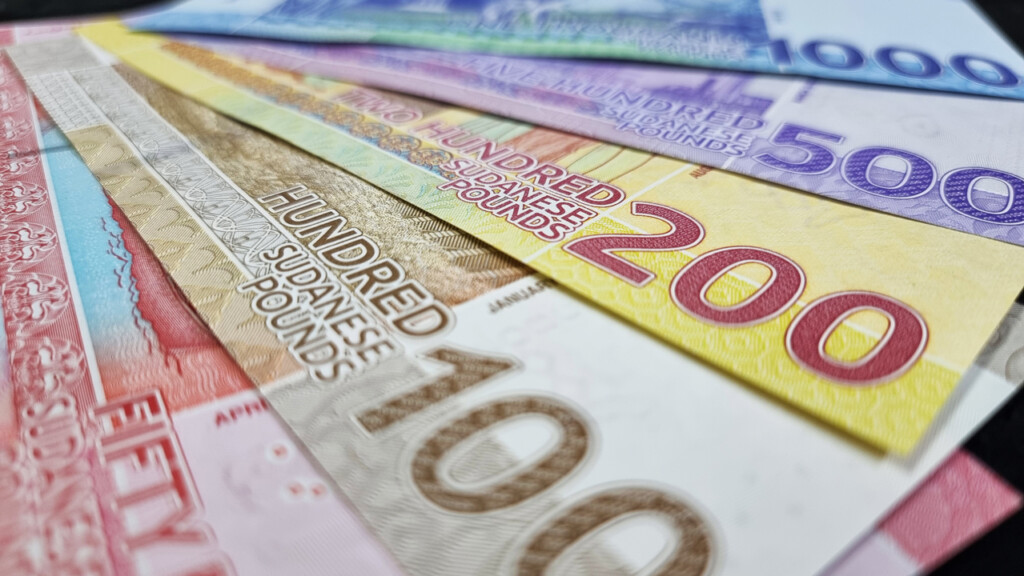
Sudanese Pounds (File photo: Andrew Bergman / RD)
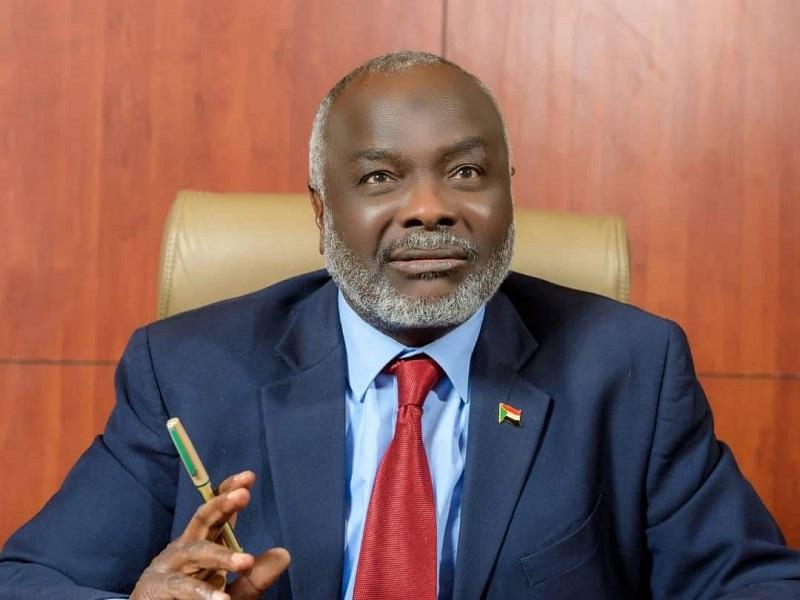
Sudan’s Finance Minister, Jibril Ibrahim, attributes the Sudanese Pound’s rapid decline against foreign currencies to strong demand for foreign exchange as imports outstrip exports, with the currency’s slide putting further pressure on household budgets.
As previously reported by Radio Dabanga, the Sudanese Pound has fallen below the equivalent of SDG 8,000 to the US Dollar on the parallel market, according to traders, amid continued volatility.
(File photo: SUNA)
In comments to Asharq Al-Awsat, Ibrahim says the widening gap between imports and exports is driving demand for Dollars. He links this partly to developments in the Gulf region, the Strait of Hormuz, and Bab El Mandeb, which have pushed up oil prices and doubled transport and insurance costs, increasing the import bill and the need for foreign currency.
Government denies buying Dollars on parallel market
Ibrahim rejects claims that the government is buying Dollars on the parallel market to meet its foreign-exchange needs.
“The government buys gold and exports it to obtain foreign currency, and it cannot buy from the parallel market because it knows how dangerous this is,” he says.
The finance minister also points to other factors affecting the Pound’s exchange rate, including the circulation of the national currency in areas controlled by the Rapid Support Forces (RSF).
Government explains fuel shortages
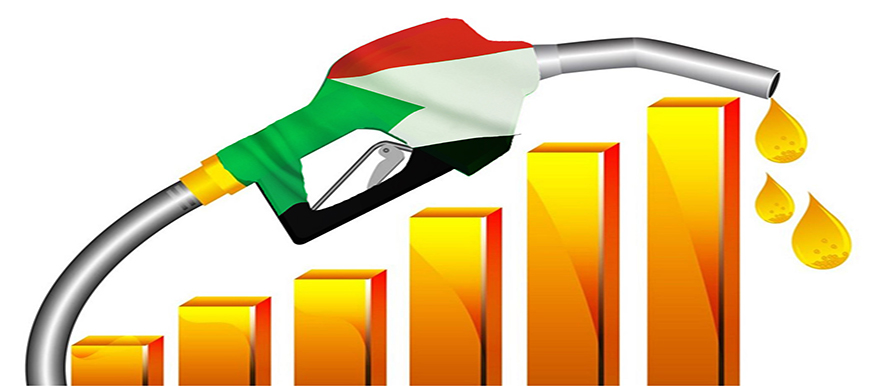
The Ministry of Energy and Petroleum has attributed recent queues and congestion at some petrol stations, particularly those selling petrol, to several factors.
In a statement seen by Radio Dabanga, the ministry says volatility and delays in some banking applications have slowed purchases, causing vehicles to accumulate gradually at service stations.
Geopolitical developments around the Bab El Mandeb Strait have also disrupted the movement of oil tankers, increasing maritime transport and insurance costs. This has delayed supplies and pushed up the prices of some petroleum products, the ministry says, describing these as challenges beyond the state’s control.
The government has taken a range of measures to close the supply gap and secure fuel supplies at relatively lower cost, it adds.
The ministry says fuel is now available and supplies are moving normally at all service stations. It reassures the public that securing fuel, maintaining stable supplies, and ensuring uninterrupted distribution remain a top priority.
Note: This report has been translated from Arabic with the assistance of artificial intelligence tools, and subsequently reviewed and adapted by a human editor before publication.



 and then