





Sudanese women and children held incommunicado after Cairo arrests

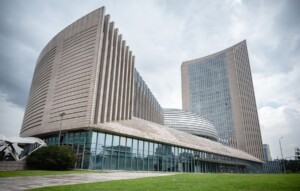
Crowds of Sudanese refugees in front of the UNHCR headquarters in Cairo - January 2026 - (Photo: Radio Dabanga correspondent)
Egyptian authorities have reportedly detained more than seven Sudanese women working in traditional beauty services in the El Hussein district of Cairo and held them for nearly two weeks without their families being able to contact them or confirm their exact place of detention, according to reliable information obtained by Radio Dabanga.
Sources also reported severe overcrowding, with around 70 detainees allegedly being kept inside a single cell.
The reports coincide with talks between Sudan’s ambassador to Egypt and the UN refugee agency, on supporting Sudanese displaced by war, as Amnesty International warns of “a widening crackdown on refugees including arbitrary arrests and unlawful deportations”.
‘Women and children detained’
In a separate development, reports indicated that two children aged eight and ten were detained during recent security campaigns, with no clear information available about their legal or health status.
An activist in Cairo told Radio Dabanga the women were arrested directly from their workplaces in the El Hussein area and relatives were unable to follow them immediately because authorities did not disclose where they had been taken.
She said such procedures prevent families from appointing lawyers or tracking the legal process from the outset, raising fears of enforced disappearance.
The activist added that holding detainees for more than three days without access to a lawyer or family members, and without presenting a legal arrest warrant, meets the definition of enforced disappearance under international standards. The continued lack of information about their whereabouts or legal status, she said, heightens concern for their safety and fundamental rights.
She noted most of the women are primary breadwinners supporting children and extended families inside and outside Sudan, and some have no relatives in Egypt able to pursue legal action on their behalf.
The activist also voiced growing concern about children whose mothers remain detained, amid uncertainty over who is caring for them. She said rumours had previously circulated within the community about two girls dying after their mother’s detention — later proven false — but fears remain that harm could occur if the situation continues unresolved.
Many of the mothers, she added, rely solely on themselves to care for their children, leaving minors especially vulnerable in the absence of family or community support networks.
She said previous arrest cases were typically referred to prosecutors the day after detention, with some detainees ordered released but kept in custody for days or weeks before the decisions were implemented.
Procedures usually include referral to prosecution authorities, then to the passport administration in the Abbasiya district, and additional steps involving the Sudanese embassy.
Medical care
The activist criticised what she described as limited embassy engagement in reassuring families or monitoring serious medical cases despite being aware of multiple detentions.
She described difficult humanitarian conditions inside detention facilities, including overcrowded cells and detainees suffering chronic illnesses such as asthma and diabetes without adequate medical care.
Reports also indicated minors were being detained or summoned pending the arrival of relatives, which she called deeply worrying and suggested the arrest campaigns may be expanding to younger age groups.
She further criticised what she characterised as shrinking avenues of support for Sudanese refugees, saying communication with international organisations — including the UN refugee agency — often resulted only in automated email replies without direct follow-up in urgent cases.
According to the activist, the detained women were working in harsh living conditions to support their families and had not posed a public order problem, but were simply trying to earn a living with dignity.
She called on human rights organisations and relevant authorities to urgently intervene, verify the detainees’ conditions, ensure access to lawyers and family members, provide necessary medical care and guarantee due legal process.


 and then