





Sudan war: 15,000 flee Ed Damazin and El Roseires as fighting intensifies in Blue Nile
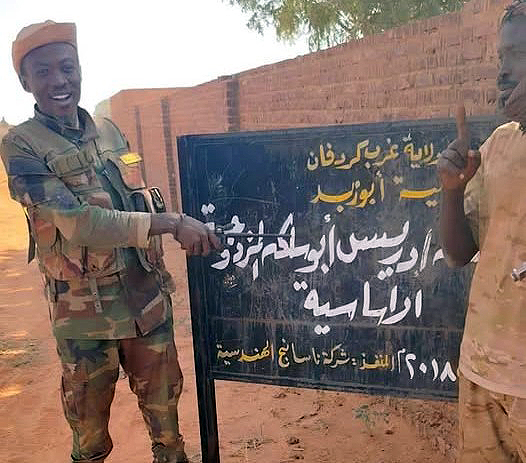
Armed Forces claim to control areas in Abu Zabad, West Kordofan - November 2026 - Social Media
More than 15,000 people have fled the cities of Ed Damazin and El Roseires to other Sudanese states amid escalating security fears, while more than 51,000 newly displaced people have arrived in different parts of Blue Nile region. The International Organization for Migration (IOM) has also reported the displacement of 980 people from two villages in the region last week.
The Blue Nile Civil Society Initiative says the number of newly displaced people in Blue Nile region has exceeded 51,000, with people arriving in different parts of the region. More than 15,000 residents have also left the cities of Ed Damazin and El Roseires for other Sudanese states in search of safety, amid growing security concerns and panic among the population.
Meanwhile, the International Organization for Migration (IOM) has reported that 980 people were displaced last week from the village of Ahmar Sidak in Bao locality and the area of Buko in Tadamon locality, Blue Nile region.
The displacement is taking place amid continuing military operations and the widening area of confrontations in the localities of Bao, El Kurmuk, Geissan, Wad El Mahi, and Tadamon.
According to an IOM report, displacement from the two villages was driven by the consequences of insufficient rainfall and broader security concerns. Families decided to move collectively and simultaneously to other locations within Tadamon locality.
Displacement from 30 villages
The Blue Nile Civil Society Initiative said displacement from Bao locality had affected more than 30 villages, with approximately 15,000 people affected, most of whom had headed towards Ed Damazin and other areas within the region.
In Geissan and its surrounding residential areas, more than 20,000 people have been displaced towards Ed Damazin, El Roseires, and other locations.
More than 15,000 people have also arrived in the areas of Abu Qumi, Dandan El Sheikh, Shira, Dandan El Azaza, Dar El Aman, and Ablai.
Meanwhile, Tadamon locality has received approximately 1,500 displaced people from El Silik, Ahmar Roro, and some areas of Bao. They are currently sheltering in schools in the areas of Bout and Agadi, where accommodation conditions are difficult.
The initiative said the departure of 15,000 residents from Ed Damazin and El Roseires to other Sudanese states reflected the scale of concern over the security situation, particularly as military operations approach the regional capital. Some areas experiencing fighting are approximately 45 kilometres from Ed Damazin, raising fears of further displacement and exposing civilians to increasing risks.
The initiative stressed that the figures reflected the latest displacement movements and did not include people displaced in earlier waves or residents still trapped in areas of fighting, as displacement continues.
27 displacement camps
The initiative confirmed that the cities of Ed Damazin and El Roseires, together with Wad El Mahi locality, were facing mounting humanitarian pressure. More than 27 camps and sites are currently accommodating displaced people, several of which are experiencing acute shortages of food, medicine, drinking water, and shelter materials.
Concerns are also growing over worsening malnutrition and food insecurity, particularly among children, women, and older people, amid conditions threatening a humanitarian catastrophe and raising the risk of famine in some areas.
The Blue Nile Civil Society Initiative called for an immediate halt to the military escalation and fighting. It urged the Sudanese Armed Forces, the Rapid Support Forces (RSF), and the Sudan People’s Liberation Movement-North (SPLM-N) to respect international humanitarian law and protect civilians, residential areas, and vital infrastructure.
The initiative also called for safe humanitarian corridors to deliver assistance and evacuate civilians trapped in conflict areas.
It urged the United Nations and humanitarian organisations to intervene urgently to provide food, medicine, drinking water, and shelter materials, conduct field assessments of displaced people and others affected, identify their needs, and ensure that assistance reaches them without discrimination.
The initiative further stressed the need to protect civilians during displacement and prevent violations, looting, and arbitrary arrests.


 and then