




North Kordofan struggles under Sudan war’s economic fallout
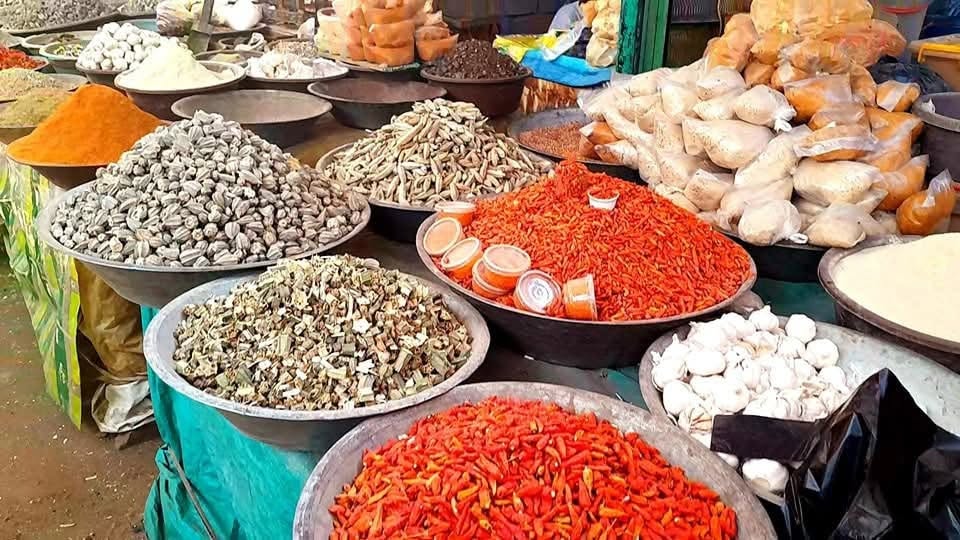
El Obeid market before the war (Archive photo: Supplied)
Residents of El Obeid, the capital of Sudan’s North Kordofan, are facing worsening living conditions as fuel shortages, inadequate drinking water supplies, and soaring prices of essential goods deepen the economic crisis. Petrol costs more than SDG 30,000 per litre, disrupting transport and forcing many residents to travel on foot.
The continuing war and attacks on fuel stations and vital infrastructure are intensifying the economic and livelihood crises facing residents of El Obeid, leaving people struggling to meet even their most basic needs.
Resident Hassan Ibrahim Hassan described the hardship facing the city’s population, where fuel shortages, inadequate drinking water supplies, and rising prices of essential goods have combined to create an overwhelming burden.
Speaking to Radio Dabanga, he said the fuel crisis was particularly severe. Petrol prices have exceeded SDG 30,000 per litre, while diesel has risen above SDG 35,000 per litre. A gallon now costs more than SDG 120,000 for petrol and SDG 140,000 for diesel.
The shortages have had a direct impact on transport and commercial activity, with public transport services disrupted by the lack of fuel and residents increasingly forced to travel on foot.
He added that the price of milk had also risen to more than SDG 12,000 per litre.
Drinking water supplies have also been affected, with the efficiency of the northern and southern water stations declining. This has forced residents to resort to salty water, which is unsuitable even for washing clothes or bathing. Despite its poor quality, the price has exceeded SDG 500 per litre, with four litres costing between SDG 1,500 and SDG 2,000.
Bread prices soar
The cost of bread, another basic necessity, has also risen sharply. Two small loaves, each weighing less than 40 grammes, now cost SDG 1,000. This consumes a substantial proportion of the already modest salaries earned by government employees.
The highest government salary does not exceed SDG 150,000, while some employees receive as little as SDG 40,000.
Prices of other essential commodities, including maize, millet, and meat, have also reached record levels, putting them beyond the reach of many wage earners.
A keila of millet now costs more than SDG 160,000, while a kilogramme of meat exceeds SDG 50,000.
These hardships are compounded by insufficient rainfall and the accumulated effects of the seasonal autumn crises, raising fears of a severe economic and humanitarian catastrophe for the people of El Obeid, already bearing the brunt of war and soaring living costs.



 and then