




Rising flour costs deepen bread crisis in Sudan’s Blue Nile state
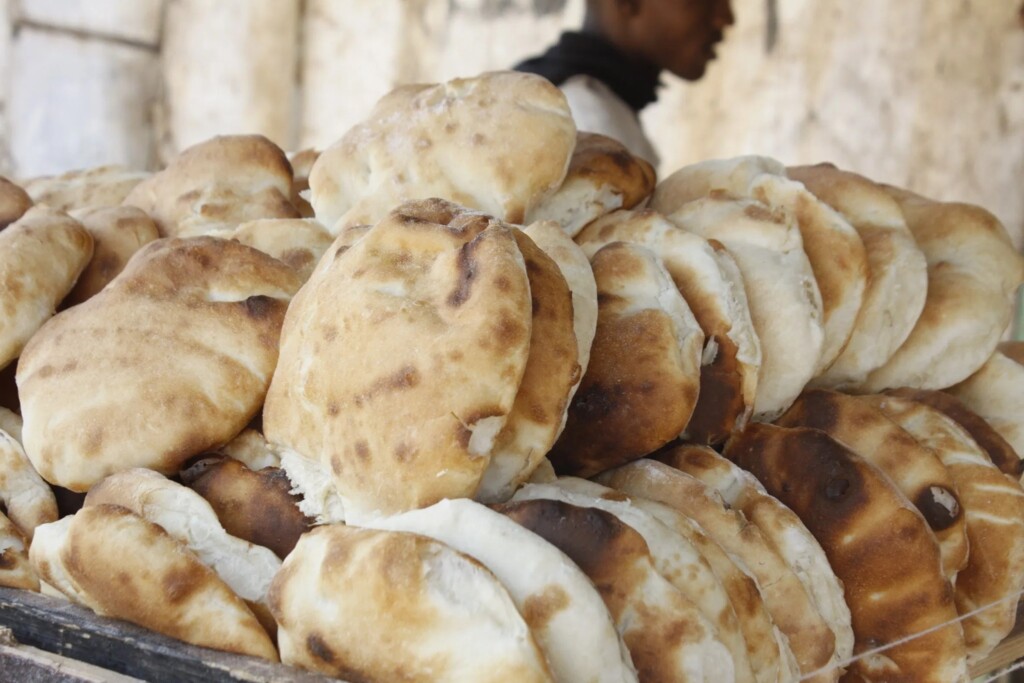
Traditional Sudanese bread (Archive photo: Creative Commons)
Authorities in Blue Nile state have allowed bakeries to sell two loaves for SDG 1,000, while flour prices have risen sharply and bakery owners across several states complain that manufacturers are failing to comply with price controls.
Authorities in Ed Damazin, the capital of Blue Nile state, have allowed bakeries to sell two loaves of bread for SDG 1,000, reflecting growing pressures on Sudan’s baking industry.
The decision comes amid mounting complaints from bakery owners in Gezira, North Kordofan, and Khartoum about steep increases in the cost of production inputs, particularly flour and oil.
Several bakery owners have posted videos on social media showing that flour mills continue to disregard price-control directives, despite direct intervention by the head of Sudan’s Sovereignty Council, Gen Abdelfattah El Burhan.
Essam Okasha, spokesperson for the Khartoum State Bakery Owners’ Association, said prices of bread-making inputs continued to rise. He expressed hope that al-Burhan’s intervention would produce tangible results and reduce production costs in the coming days.
Meanwhile, flour companies introduced another price increase on Sunday, taking the price of a 25kg sack of flour to SDG 190,500, up from about SDG 165,000.
Bakery owners said sales agents for some companies had failed to respond to requests to supply flour, claiming that it was unavailable.
As reported by Radio Dabanga last week, a sharp flour shortage is leaving families in Khartoum state with less bread available in the markets as prices soar, with consumers now getting half as much for the same money, the state’s bakers’ association says. More encouraging reports from elsewhere say prices of maize and other crops have fallen in markets across El Gezira state, as restrictions on crop movements and increased supplies from the new harvest drive down prices.


 and then