




Sudan hunger crisis deepens as aid cuts collide with crop failure in Darfur
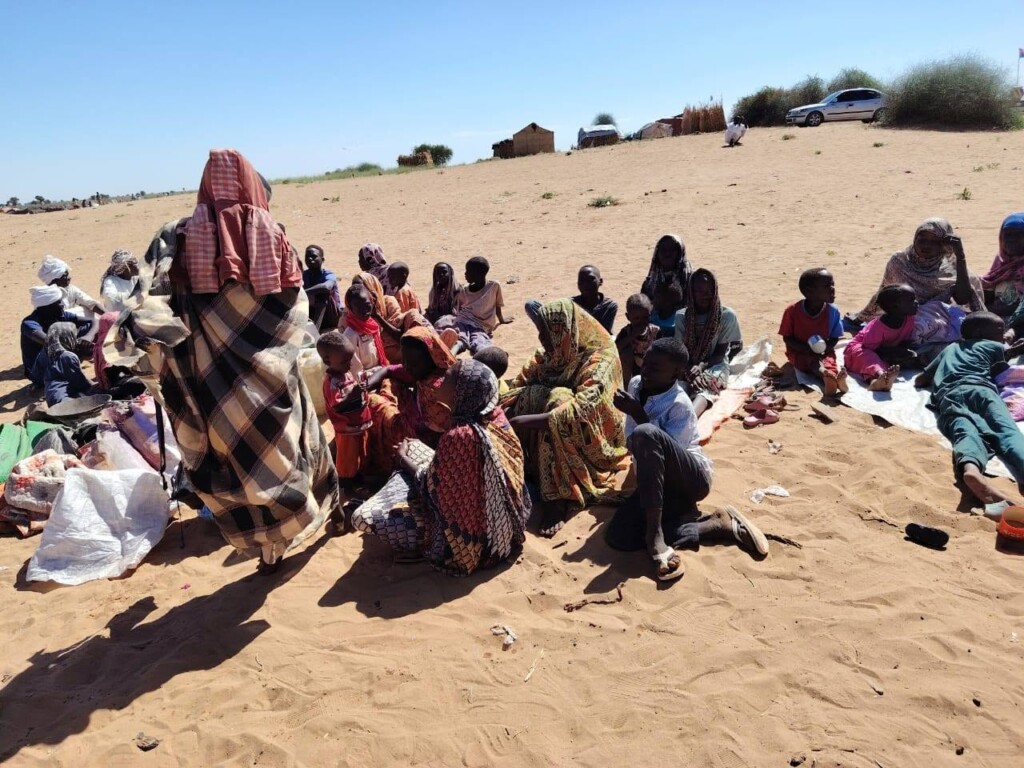
New displaced people arrive in Tawila, North Darfur, October 2026 - (Photo: General Coordination of Displaced Persons and Refugees)
Cuts to food aid and a near-total crop failure are leaving displaced families and vulnerable communities struggling to find food as prices soar and malnutrition worsens.
Cuts to World Food Programme (WFP) assistance threaten displaced families across Sudan, while a near-total crop failure in East Darfur has left households short of food and income. Residents of Sheairia report soaring prices, worsening malnutrition, and shortages of medicines and therapeutic food for children.
In a statement to reporters following an eight-day visit to Sudan last month, the WFP’s acting executive director, Carl Skau, says the agency has the capacity to reach millions of people caught between war, displacement and worsening drought – but is running out of money.
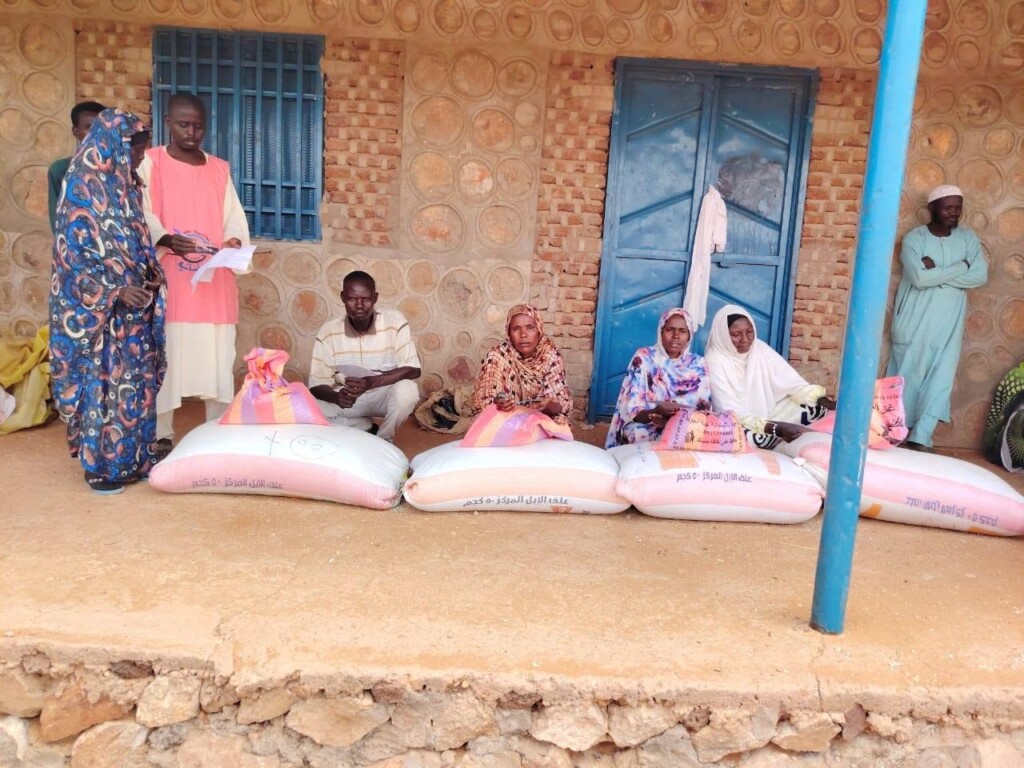
The General Coordination for Displaced People and Refugees now warns that reduced food assistance could force families to skip meals and sell their remaining possessions to survive.
Adam Rijal, the coordination body’s spokesperson, told Radio Dabanga that funding shortages and cuts to WFP assistance could deprive displaced families of essential meals and force them to adopt increasingly desperate coping strategies, including withdrawing children from school, selling their remaining possessions, and reducing the number and size of meals.
Children, women, older people, and people with disabilities face particular risks of malnutrition and disease, he said, calling on donors and international institutions to close the funding gap and ensure food assistance reaches those most in need.
Failed harvests deepen food insecurity
The warning comes as residents of Sheairia locality in East Darfur report a near-total failure of the agricultural season, sharply higher food prices, and shortages of medicines for people and livestock.
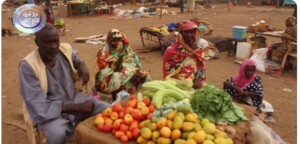
Resident Babiker Ishaq told Radio Dabanga that farmers had harvested almost nothing of their main crops, including groundnuts, millet, sorghum, and okra. The losses have deprived households of a crucial source of food and income, leaving some unable to find enough to eat amid the absence of humanitarian assistance.
A sack of millet costs about SDG 350,000 when paid for through bank transfers, while a sack of sorghum costs a similar amount, Ishaq said. A pound of onions costs around SDG 4,500, a bottle of cooking oil between SDG 13,000 and SDG 14,000, and a pound of sugar about SDG 4,000 when paid for through bank transfers.
He said deductions on transfers through the Bankak app, which he estimated at 40% in some cases and 50% in others, further reduce the money available to families for essential purchases.
Malnutrition and medicine shortages
The food crisis is also affecting children and pregnant women. Ishaq said pregnant women were unable to obtain adequate diets and children were suffering from malnutrition, while supplies of therapeutic food were limited. He called for increased supplies to treat malnourished children and urgent deliveries of medicines and medical supplies.
Livestock are also at risk because of shortages of veterinary medicines. Ishaq reported illnesses among cattle, horses, and donkeys, adding that about six or seven children had reportedly been bitten by dogs suspected of having rabies. A rabies treatment injection costs about SDG 300,000, he said, putting it beyond the reach of many families.
Calls for urgent humanitarian assistance
Rijal called on donors and international institutions to maintain food assistance, strengthen nutrition and food security programmes, and prioritise the worst-affected areas. He also urged the authorities to ensure safe, unhindered access for aid deliveries and called for an end to the war and a humanitarian truce to allow relief to reach civilians.
Ishaq appealed to humanitarian and health organisations to provide food, medicines, therapeutic nutrition supplies, and veterinary care to protect both residents and the livestock on which many families depend.


 and then