




Sudanese refugees in Gorom camp, South Sudan, struggle for water, medicines, security
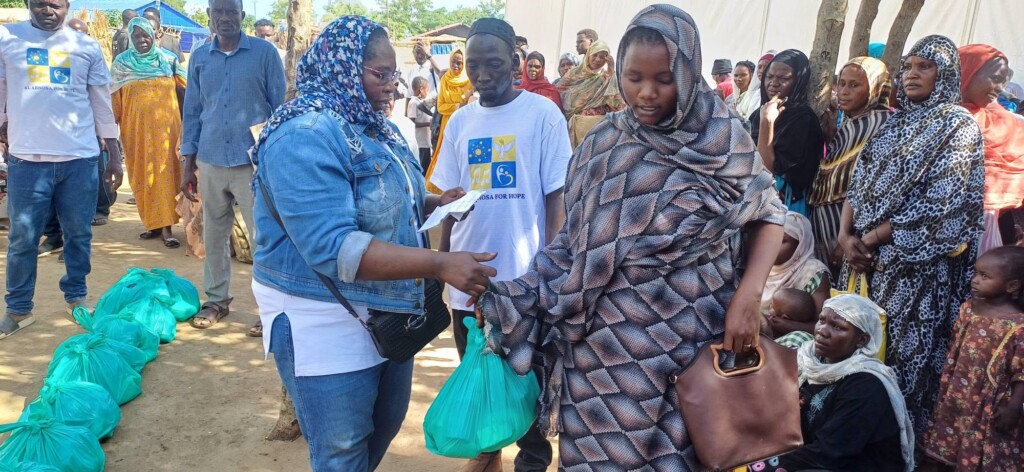
Sudanese refugees at Gorom camp in South Sudan (File photo: RD correspondent)
About 16,000 Sudanese refugees registered at Gorom camp* in South Sudan face shortages of safe drinking water and medicines, overcrowded classrooms, and persistent security concerns, a refugee says.
Sudanese refugees at Gorom camp in South Sudan are struggling to meet basic needs, with unsafe drinking water, unaffordable medicines, and inadequate schooling compounding concerns about their security, according to refugee Abdullah Toto.
Toto told Radio Dabanga that about 16,000 people are registered at the camp [UNCHR figures quote a total of upwards of 22,000], including Sudanese and Congolese refugees, as well as members of South Sudan’s Anuak community.
Refugees fear for their safety
Toto says security is one of the camp’s main challenges, with refugees struggling to obtain protection from the authorities.
He described an incident in which a Sudanese refugee was threatened after confronting a suspected thief. During a pursuit, the thief dropped his mobile phone, which the refugee picked up and took home.
When the thief returned to his neighbourhood near the camp and discovered the phone was missing, he came back with two companions carrying weapons and entered the refugee’s home. They found a gathering of Sudanese refugees there and left without taking further action, Toto said.
The refugee reported the incident to the police, but the authorities took no action, according to Toto. Instead, they advised him to leave his home temporarily and stay elsewhere while the case was followed up. The case remains unresolved, and the refugee has still been unable to return home.
Toto says refugees find it difficult to assert their legal and security rights. Some fear they will be treated primarily as Sudanese nationals associated with the conflict, rather than as refugees entitled to protection.
Many Sudanese refugees, particularly those from Khartoum and eastern Sudan, have left the camp, he says. Many people from Darfur remain because they have few options for leaving the area.
Safe drinking water and medicines remain unaffordable
Toto says the camp has no dedicated health centre for refugees run by the UN refugee agency or other organisations operating there. Instead, refugees depend on a hospital serving the wider local population.
Access to medicines is limited, with refugees sometimes receiving little more than painkillers, he says. Some local residents have opened pharmacies selling medicines to refugees at high prices, making treatment increasingly difficult for families with limited means.
Drinking water is another major concern. Water drawn from pumps is salty and unfit for consumption, forcing residents to rely on water tankers coming from Juba, Toto says.
A small jerrycan of water costs about SSP 5,000, he says, adding to the financial burden on families already struggling with limited resources.
One school serves hundreds of children
Education is also under pressure. Toto says the camp has only one school, leaving classrooms severely overcrowded, with as many as 300 children in a single classroom. Some pupils have to sit outside when classrooms are full.
Many children have spent about three years at the camp, and some are approaching their fourth year without adequate access to education, he says.
Refugees have called for expanded educational services, but their requests have not resulted in the provision of an additional school, according to Toto.
Some families have resorted to opening khalwas – traditional Quranic schools – inside mosques to teach their children the Quran amid the shortage of formal educational opportunities.
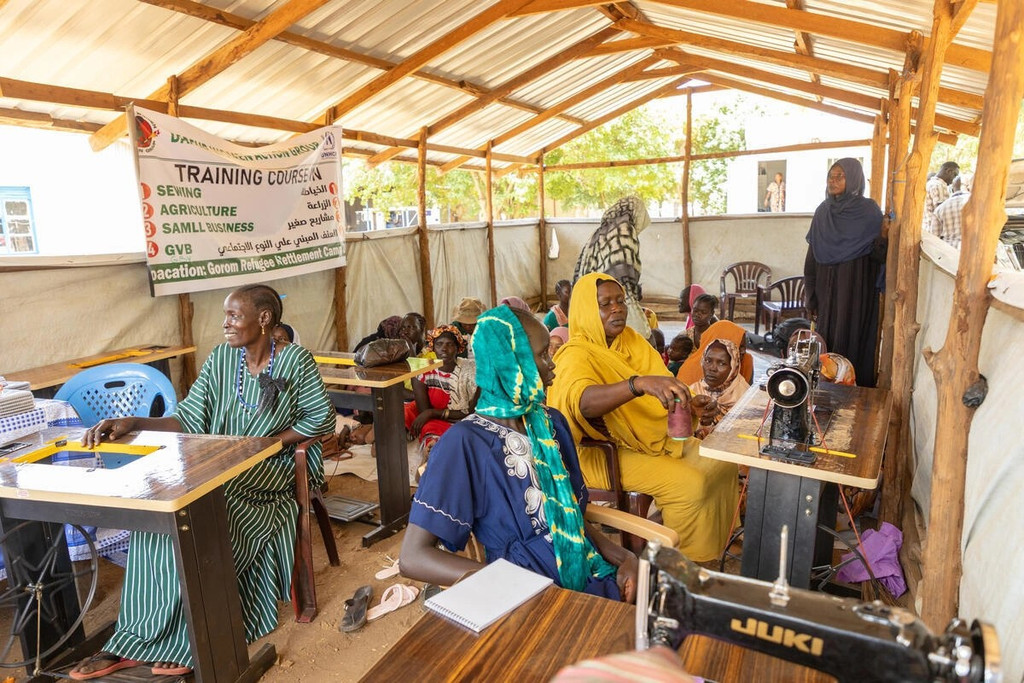
*Gorom Refugee Settlement is a United Nations–supported (UNHCR) refugee settlement located approximately 26 km south west of Juba in South Sudan. Originally established in 2010 to host around 2,500 Ethiopian refugees, the camp has since grown significantly in response to regional crises.
By August 2023, Gorom housed over 10,000 individuals, including new arrivals from Sudan as conflict expanded. By June 2024, about 18,000 people were living there, among them roughly 7,000 from Darfur in western Sudan. A recent UN report said conditions at the site had sharply deteriorated.
The onset of anti-Sudanese violence in Juba in January 2025 precipitated another surge: over 6,800 Sudanese refugees fled to Gorom, swelling its population to 16,000 by March 2025 and more than 22,000 by April 2025—exceeding its intended capacity by a factor of five.
(Source: Wikipedia)

 and then