





Severe bread shortage hits Sudan capital as flour supplies dwindle
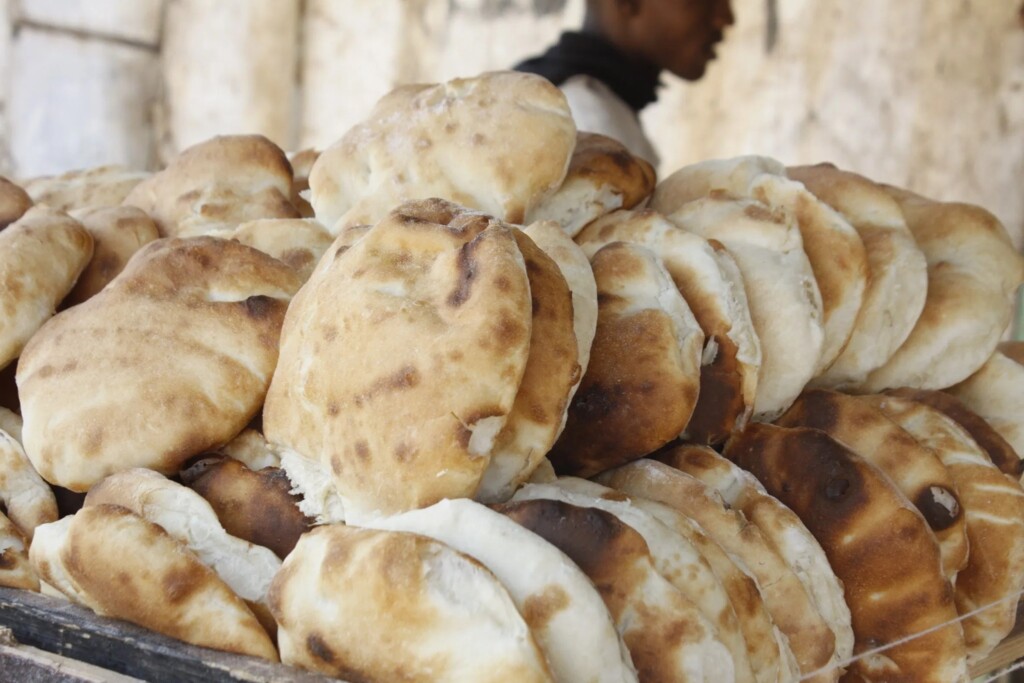
Traditional Sudanese bread (Archive photo: Creative Commons)
A sharp flour shortage is leaving families in Khartoum state with less bread available in the markets as prices soar, with consumers now getting half as much for the same money, the state’s bakers’ association says. More encouraging reports from elsewhere say prices of maize and other crops have fallen in markets across El Gezira state, as restrictions on crop movements and increased supplies from the new harvest drive down prices.
Families in Khartoum state are facing growing difficulties securing bread as flour supplies dry up and prices surge, says Issam Akkasha, spokesperson for the Khartoum State Bakers’ Association.
Akkasha told Radio Dabanga that the price of a sack of flour had risen from SDG 87,000 to SDG 117,000, before reaching SDG 180,000.
He said flour was now available only through traders at Hilal Stadium, while suppliers’ warehouses serving bakeries had run completely dry.
The shortage has sharply reduced the amount of bread consumers can buy. Previously, SDG 1 bought two loaves; now, it buys only one, Akkasha said.
The crisis has been compounded by rising production costs, including the prices of flour, oil and yeast, as well as workers’ wages.
Maize and other crop prices fall in El Gezira as new harvest reaches markets
Prices of maize and other crops have fallen in markets across El Gezira state, as restrictions on crop movements and increased supplies from the new harvest drive down prices, a farmers’ representative says.
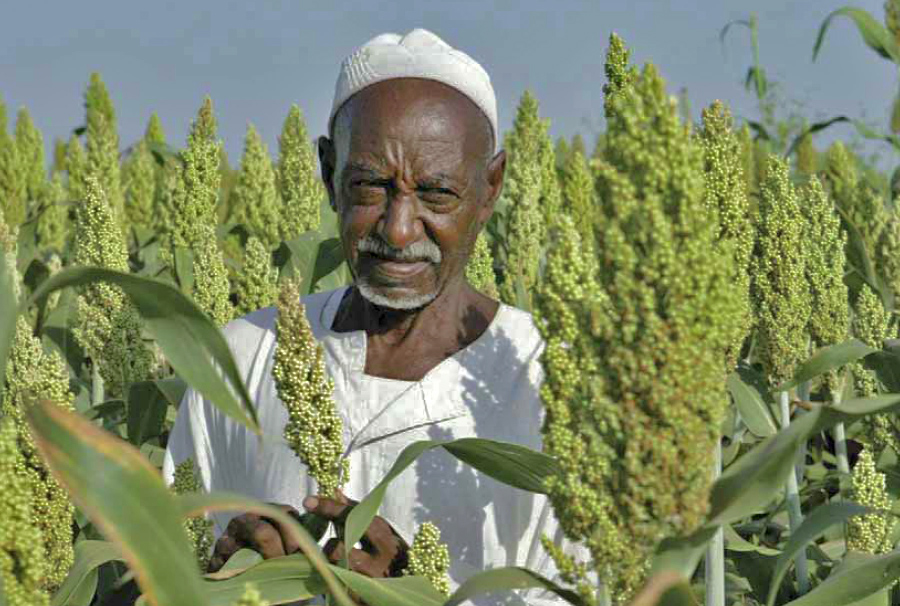
Prices of maize and several other crops have fallen significantly in markets across El Gezira state, with the arrival of the new maize harvest increasing supplies and restrictions on the movement of wheat and maize contributing to the decline.
Mustafa El Tarifi, a member of the general assembly of El Gezira Farmers’ Association, told Radio Dabanga that the fall in prices was due to two main factors: decisions by the state security committee prohibiting wheat and maize from being transported outside El Gezira, and a rise in the volume of produce available in local markets.
El Tarifi said the new maize harvest had already begun reaching markets, directly increasing supplies and pushing down prices, particularly for maize. Prices of other crops, including wheat and pigeon peas, had also fallen slightly.
The decline has been recorded in several major markets across the state, including El Huda, El Hosh, El Meilag, El Musallamiyya and El Madina El Arab.
El Tarifi said the combination of regulatory measures introduced by the state security committee and the arrival of the new maize crop had helped stabilise markets and lower prices for consumers.




 and then