




‘Accusation against women in Sudan of ‘collaboration’ needs clearer definition’

Gavel and scales (File photo: Creative Commons)
The head of Sudan’s Women and Child Advisory Council, Salimi Ishaq Sharif, has said accusations of ‘collaboration’ brought against a number of detained women in Sudan lacks a clear definition and specific criteria, leaving it open to interpretation, particularly in wartime.
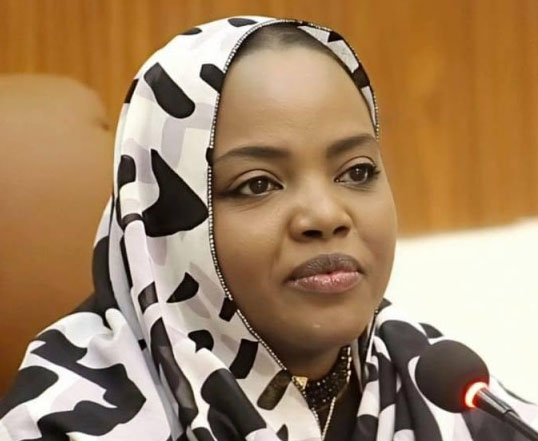
Speaking to Radio Dabanga, Ishaq said the head of the Sovereignty Council had ordered a review of the legal status of detained women ahead of the possible release of some of them. She stressed the importance of considering allegations of ‘collaboration’ in the context of the war, particularly for women who may have been forced to deal with armed groups to protect themselves or their families.
She said the basic problem was the absence of a clear definition of the collaboration charge, particularly under wartime conditions. Some people had neither the ability nor the choice to refuse demands made by armed forces controlling the areas where they lived, because of fear and a lack of alternatives.
Ishaq added that some complaints could be malicious or stem from disputes within communities, making closer scrutiny and investigation of such allegations necessary.
Calls for continued advocacy and pressure
Ishaq said advocacy and pressure must continue to secure a review of the cases of detained women. During visits to Omdurman prison, she said, she had found health services including a dental clinic and medical screening. She also noted that some women were pregnant, while others were suffering from malaria.
Infrastructure problems, overcrowding, inadequate sanitation, and ageing buildings remained challenges in some prisons, particularly Omdurman prison, she said.
Legal services are available to detainees, Ishaq added, with lawyers and a legal justice office inside the prison following cases and appeals.
She said provisions allowing alternatives to imprisonment for pregnant women and mothers with children should be activated, as well as in minor cases and misdemeanours. Such measures have been available since 2020 but have not been adequately implemented, she said.
The distance to Omdurman prison also makes it difficult for families to visit and maintain contact with detainees, Ishaq said, adding that some of the women did not have telephones.
Ishaq called for a different approach to allegations of collaboration against women in the context of the war, arguing that the presence of weapons severely limits civilians’ ability to refuse demands. Women may be forced to comply with certain requests to protect themselves, their children, and their families, she said.
Human Rights Watch reports have documented death sentences against some women under criminal provisions relating to undermining the constitutional order, including Article 50, following allegations of collaboration with the Rapid Support Forces (RSF). The reports have also included allegations that confessions were extracted under pressure.
Large numbers of women are being detained or tried at Omdurman prison in cases involving alleged collaboration and espionage. Despite official calls and directives for the release of some detainees, others accused in such cases remain in custody or on trial.
Areas controlled by the RSF, particularly Nyala in South Darfur, have also seen women and activists detained at Korya prison in difficult humanitarian conditions. The allegations have included espionage and refusing to comply with RSF forces. However, information remains limited because documenting conditions in areas controlled by the RSF is difficult.

 and then