





Expert: ‘60% of Sudan’s forests lost since 1990’
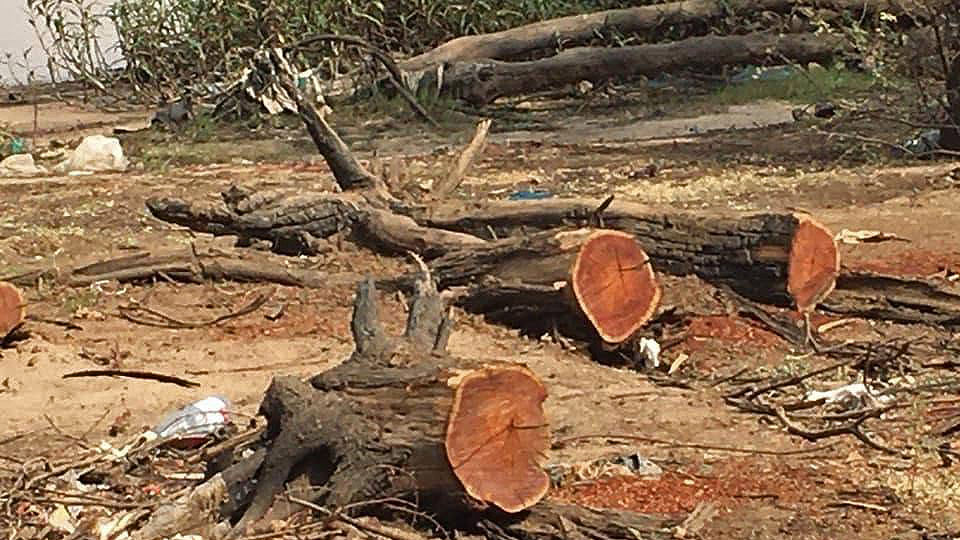
Illegal logging in Khartoum's historic Alsanut Forest (File photo: RD)
Former agriculture ministry adviser says war, mechanised farming, and weak state oversight are accelerating the destruction of Sudan’s forests
Sudan has lost about 60 per cent of its forests since 1990, with the destruction of woodland and vegetation accelerating during the country’s war, an agricultural development expert warns. In a statement seen by Radio Dabanga, Abdelmoneim El Huweiriss, a former adviser on integrated agricultural development and transformation at Sudan’s agriculture ministry, says forest cover has deteriorated severely across much of the country, particularly in the rich savannah regions of Kordofan, Darfur, and Blue Nile, as well as White Nile, Butana, and El Gedaref.
Sudan’s forests once covered about 12 per cent of the country, he says, but around 60 per cent of that area has now been lost, causing serious environmental degradation.
EL Huweiriss attributes the decline to the rapid expansion of mechanised farming, a lack of government oversight, and limited public awareness of the importance of forests.
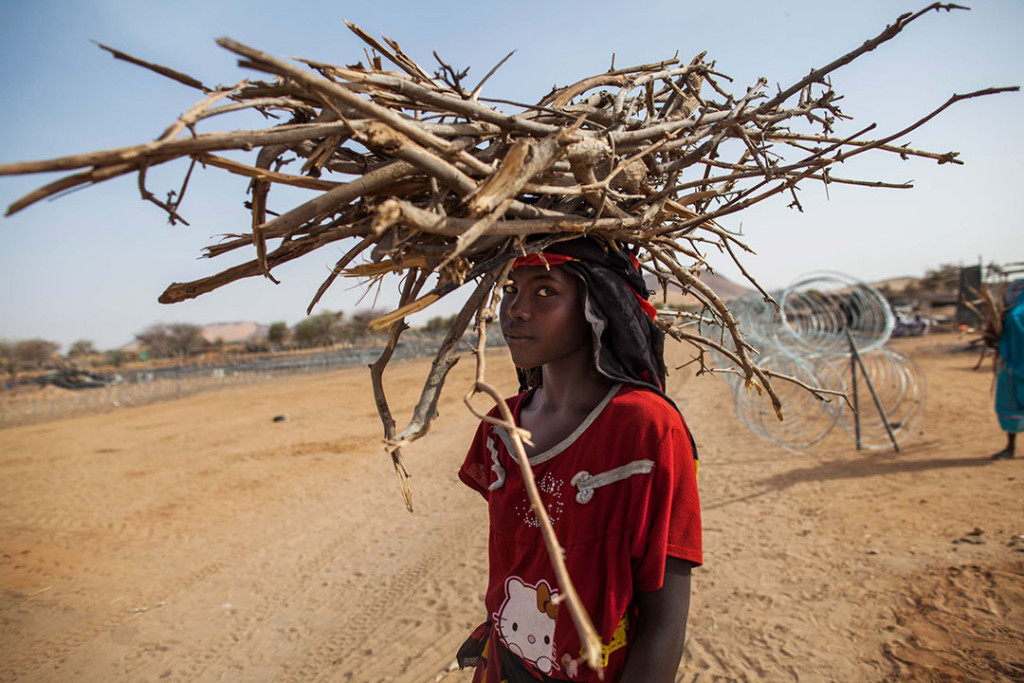
‘The war has further intensified pressure on forests, as people have turned to firewood for fuel…’
The war has further intensified pressure on forests, as people have turned to firewood for fuel following the collapse of electricity supplies and interruptions to cooking-gas deliveries.
EL Huweiriss says government agencies responsible for protecting and monitoring forests have effectively disappeared because of the conflict, leaving woodland increasingly vulnerable to exploitation.
The situation has deteriorated further in some areas after state authorities granted foreign interests the right to invest in forests. EL Huweiriss points to Blue Nile state, where such rights have been granted to Egyptian interests.
He calls for urgent reforestation of areas that have been destroyed, particularly within Sudan’s gum arabic belt, which provides the country with significant revenue and foreign currency.
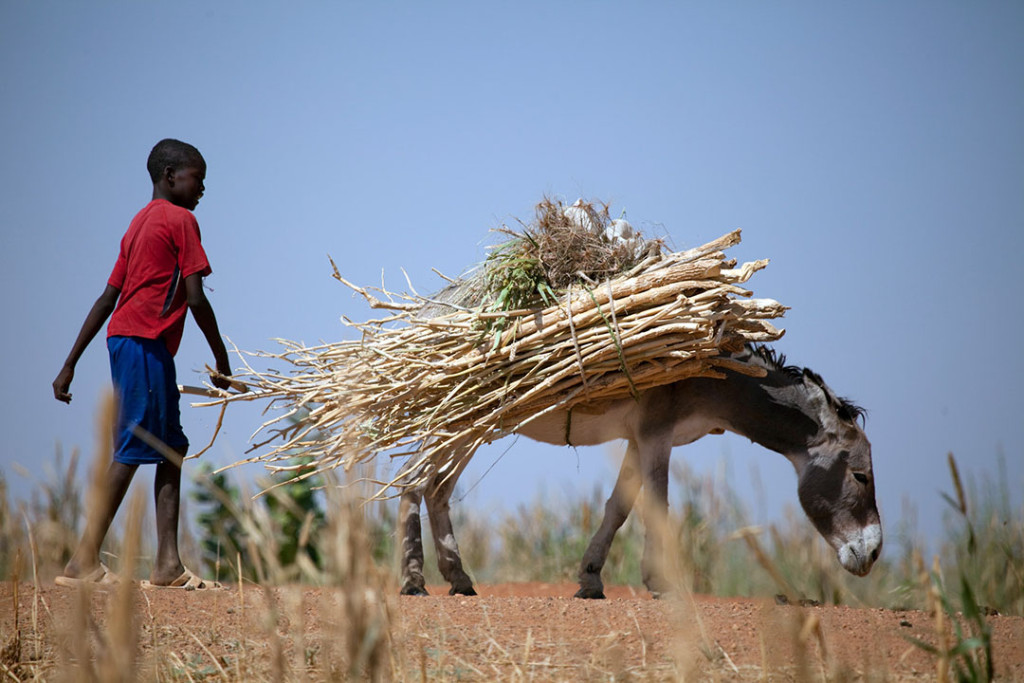
‘Restoring Sudan’s forests will require at least two decades of sustained effort…’
Restoring the damage will not be quick, however. EL Huweiriss says rehabilitation of the country’s forests will take at least two decades.
He calls for a short-term roadmap to restore Sudan’s forest cover, alongside a comprehensive assessment of the damage. Between 50 per cent and 60 per cent of Sudan’s forests have been lost, he estimates, representing millions of acres.
In his ststement, EL Huweiriss also urges Sudan to establish international partnerships to access dedicated funding and technical support from organisations including the Food and Agriculture Organization of the United Nations and other bodies working on environmental protection and climate change.
Note: This report has been translated from Arabic with the assistance of artificial intelligence tools, and subsequently reviewed and adapted by a human editor before publication.

 and then