




Sudan records more than 1,200 dengue fever cases in a week, Health Ministry says
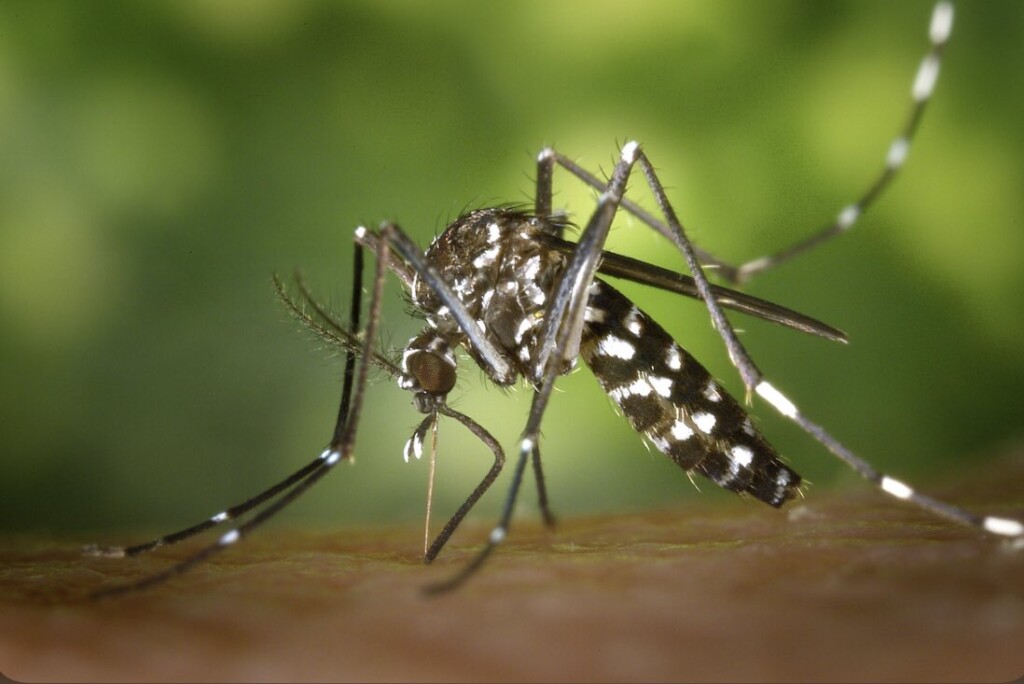
Dengue fever is a viral infection transmitted by mosquitoes - Source: World Health Organization
Sudan’s Federal Health Ministry has reported more than 1,200 cases of dengue fever within a single week, raising concerns about the spread of infectious diseases across several states. According to the ministry, 1,238 infections were recorded during the past week, with the highest numbers reported in Khartoum, River Nile, El Gezira, and Northern State. The figures were disclosed in a surveillance and information report presented during a meeting of the Federal Emergency Operations Centre in Khartoum.
The report also documented 54 new cases of hepatitis E in El Gezira.
Health officials further confirmed 165 cases of measles across five states: White Nile, North Darfur, West Kordofan, El Gezira and River Nile.
Authorities said dengue fever alerts continue to be reported from a number of states, prompting ongoing response measures. Health teams are also carrying out interventions to contain hepatitis infections in El Gezira.
The meeting additionally reviewed the situation of internally displaced people, noting the presence of 58,175 displaced families – comprising 227,675 individuals – across several host states, alongside persistent humanitarian challenges.
A separate supply report highlighted continuing disparities in the availability of epidemic-response medicines and medical supplies stored in state warehouses managed by the National Medical Supplies Fund. Shortages were reported for treatments and materials related to cholera, dengue fever, and malaria.
Health minister Prof Haitham Mohamed Ibrahim called for intensified efforts to confront dengue fever, malaria, measles, and hepatitis B, citing a recent rise in recorded cases – though he described the increase as relatively slight.
He urged stronger coordination with humanitarian organisations and stressed the need to assess available stocks of medicines, equipment, and medical consumables, as well as identifying shortages.
Ibrahim also warned that Sudan’s declaration of being free from cholera should not lead to complacency.
“Declaring the country cholera-free does not mean the work stops,” he said. “The risks remain and we must stay prepared, while ensuring the message reaches citizens.”
The ministry’s undersecretary, Dr Ali Babiker, meanwhile called on the Emergency Operations Centre to develop contingency scenarios to secure supplies of medicines and equipment should instability in the Gulf region affect deliveries.
He noted that Qatar, Saudi Arabia, and Kuwait had previously pledged support to Sudan’s health sector.
As reported by Radio Dabanga last week, speaking via the official Sudan News Agency (SUNA), Sudan’s Federal Ministry of Health declared the country free of the cholera epidemic, confirming that since January 14, no case of infection has been recorded in any state, according to scientific data and international health regulations, the Ministry reports.
Sudan declared the outbreak of the epidemic in August 2024 “amid extremely complex circumstances,” and the ministry considers the containment of the disease “a major medical achievement in light of the existing challenges”.



 and then