





International Women’s Day: ‘Women’s involvement in Sudan’s peace processes, negotiations, and ending the war, a fundamental requirement’
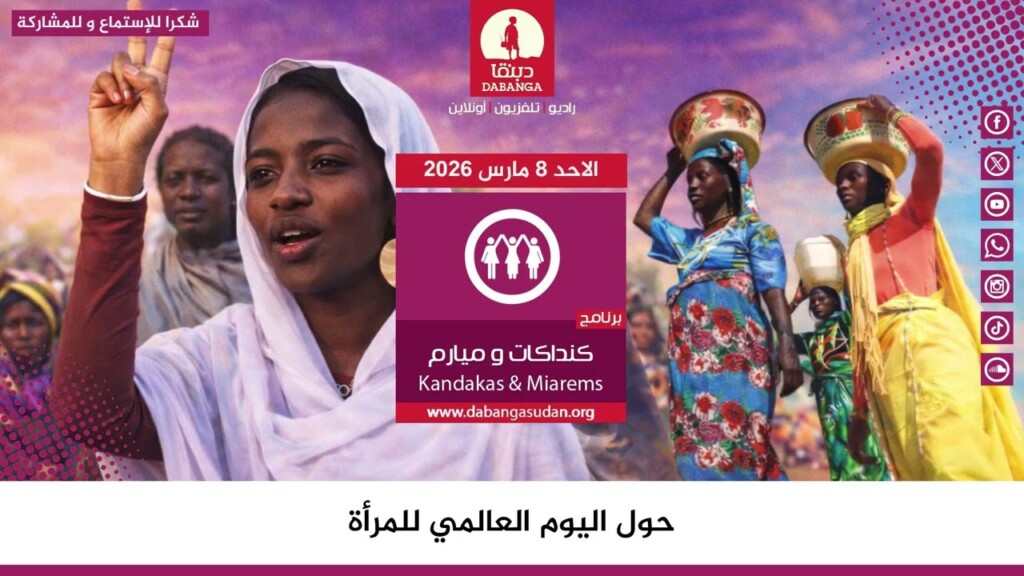
Report by Fatima Burima for Radio Dabanga
As the world celebrated International Women’s Day on Sunday, March 8, Sudanese marked the day as Sudan’s war against civilians nears its third year, with UN reports indicating that seven million women and girls in the country are at risk of sexual and gender-based violence.
Sexual violence, including rape, kidnapping, slavery, and extortion, as well as forced marriage, and the use of “sex for food” are at the top of the list of violations of the ongoing war against women, in addition to the loss of services, especially health care and protection
Zainab Organization for Women’s Development and Development calls for intensifying support and relief for those affected
Zainab Organization for Women’s Development stressed that the war has caused Sudanese women to lose their property and jobs, especially in rural areas, where women represent the backbone of food security, contributing more than 80% to agricultural and livestock production.
In an interview with Radio Dabanga, Fatima Mustafa Ahmed (Samhn), the head of Zainab, stressed that the suspension of this activity was not only an economic loss, but also a direct threat to the livelihoods of millions, as 13 million children face severe levels of hunger, with famine confirmed in IDP camps and in many areas inside and outside Sudan.
Fatima appealed on Radio Dabanga to all women and men, as well as human rights and legal activists in all sectors, to join hands and unite efforts to shed light on the suffering of Sudanese women at home and in refugee camps in neighbouring countries
It also called on the international community and donors to pay attention to the world’s worst humanitarian crisis and provide the necessary resources for relief
Amal Organization for Human Rights and Justice calls for the inclusion of women in the negotiations and peace tracks
On International Women’s Day, which comes this year under the slogan “Rights, Justice, and Work for All Women and Girls”, Amal Organization for Human Rights and Justice highlighted the dire and dangerous situation facing women in the countryside, villages and areas cut off from services and communications during the war, which is about to complete its third year.
In an interview with Radio Dabanga, Soheir Saeed Adam, Executive Director of Amal Organization for Human Rights and Justice, described the situation of women in these areas as even harsher due to the lack of media and communications and the difficulty of accessing humanitarian services and aid
Suhair stressed that despite the difficulties and suffering, women did not retreat and disappeared from the scene and were at the forefront of the front lines in support of communities, organizing initiatives, and providing assistance to those affected through emergency committees, kitchens, and shelters
He stressed that women, despite their remarkable roles, have remained far from the negotiation and decision-making tracks related to ending the war in Sudan, stressing that building any real peace process in Sudan cannot be without the participation of women.
In the interview with Radio Dabanga, Soheir stressed that the inclusion of women in any negotiation process or political initiative (it is not a symbolic or formal process) but a prerequisite for building a just and sustainable peace, adding that “any peace process that excludes women or reduces their role will not address the roots of the crisis and will not achieve the stability that millions of Sudanese are waiting for.”
At the end of the interview, she called for the need to protect women from violence, hold perpetrators of violations accountable, and ensure women’s participation in decision-making as essential steps towards a more just and peaceful future in Sudan.
Women’s Empowerment Entity Calls for an End to All Forms of Violence Against Women
For its part, Kayan Organization for Women’s Empowerment stressed the same demands and set its call on International Women’s Day to protect women from all forms of violence, support their leadership role, and ensure their full participation in charting the path of peace and democratic transformation in Sudan.
Mariam Hamed, Executive Director of Kayan Organization for Women’s Empowerment, stressed in an interview with Radio Dabanga that what is required now with the cessation of the war is to build sustainable peace, which will not come or be achieved without the real and effective participation of women in all places where decisions are made, in peace negotiations, political institutions and in shaping the future of the country
During the interview, Mariam referred to the various roles played by women during the war period with determination and determination, stressing that women were not just victims of the war, but they were carriers of life, giving to community initiatives and supporting their families.
Justice for women and girls is a prerequisite for any just and sustainable peace
Ihsan Abdullah, a member of the Executive Office of the No Women Invincibility Initiative, stressed that millions of women have lost security, stability, and livelihoods during this war, and many have been subjected to grave violations of their dignity and basic rights, including sexual violence, rape, forced displacement and extreme poverty.
In an interview with Radio Dabanga, Ihsan stressed that achieving justice for women and girls is a prerequisite for any just and sustainable peace in Sudan. It called for the release of all women detained and detained in Port Sudan and Nyala prisons, and called for all perpetrators of violations to be held accountable, and to ensure that victims have access to justice, protection, and legal and humanitarian support.
#IWD2026
 and then