





Ayadi: Uganda’s Kiriyandongo camp hosts 400 Sudanese refugees with disabilities
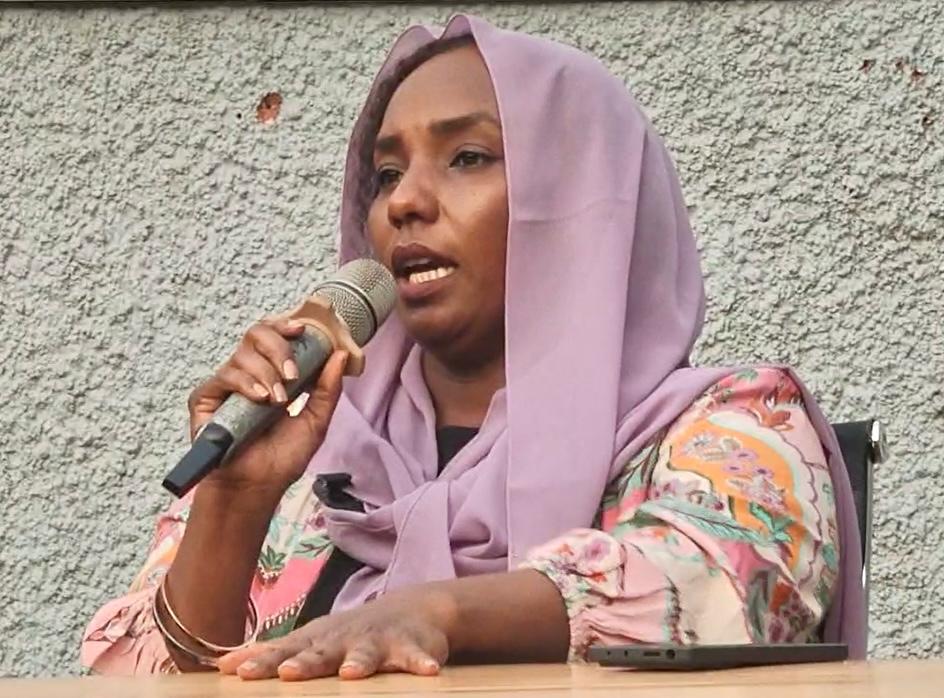
Mona Abu Al-Qasim, Director of Ayadi Organisation for the Rights of Persons with Disabilities (Photo: Radio Dabanga)
Mona Abu Al-Qasim, Director of the Ayadi Organisation for the Rights of Persons with Disabilities, has revealed alarming humanitarian conditions faced by people with disabilities at Kiryandongo refugee camp in Western Uganda. She noted that there are more than 400 refugees with disabilities in the camp, most of whom are concentrated in residential zones A, B and C. Those with mobility impairments accounting for around 50 per cent of cases.
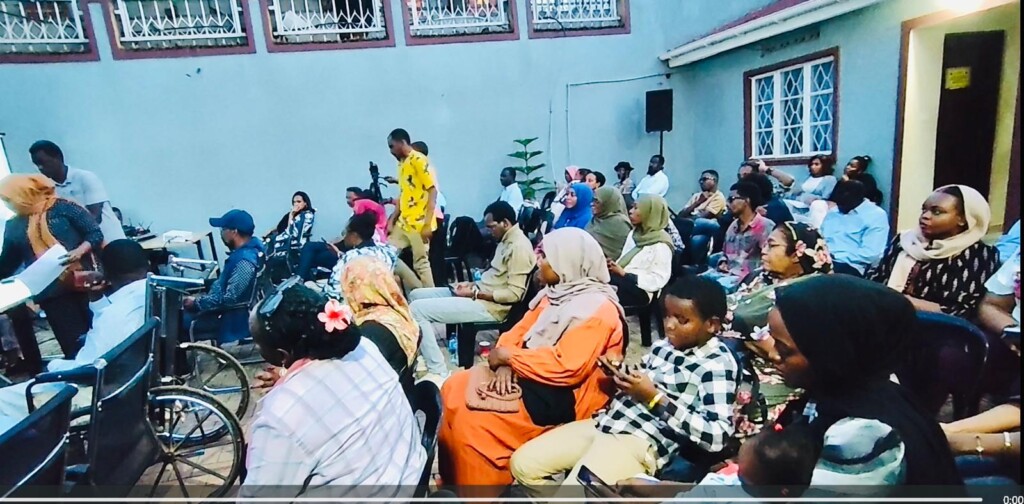
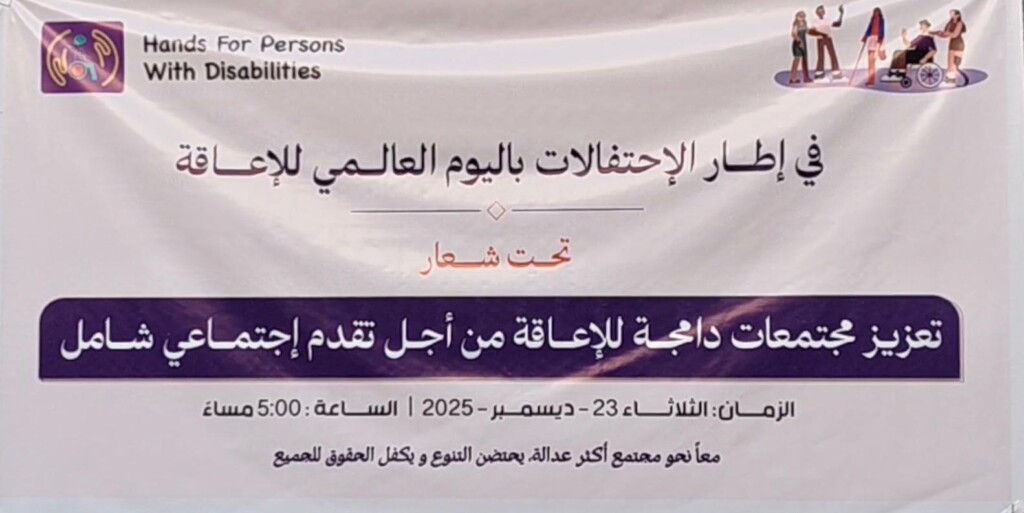
Abu Al-Qasim explained — in a paper she presented during her organisation’s celebration of the International Day of Persons with Disabilities in the Ugandan capital, Kampala — that a large proportion of these disabilities are the result of direct injuries sustained during the war. Other cases are linked to the lack of healthcare during displacement, as well as chronic illnesses that were not treated in time and subsequently developed into permanent disabilities.
She added that updated statistics up to May 2025 indicate that 60 per cent of the residential zones in Kiryandongo camp for Sudanese refugees include persons with disabilities, with new increases recorded as a result of fresh waves of displacement caused by ongoing fighting in Darfur and Kordofan.
She pointed out that more than 30 million people in Sudan are in need of humanitarian assistance, with persons with disabilities accounting for around 15 per cent of this figure — equivalent to 4.6 million people — of whom 3.1 million require urgent humanitarian interventions. She noted that the war has led to a 300 per cent increase in injuries resulting in permanent disabilities, including around 15,000 amputations, 40,000 spinal injuries, 8,000 cases of loss of sight, and 12,000 cases of total hearing loss.
She explained that 65 per cent of these injuries resulted from the use of weapons and explosives, while the remaining cases were caused by gunshot wounds, shrapnel injuries and falls. The highest rates of injury were recorded in Khartoum, Darfur and Kordofan at 45 per cent, 30 per cent and 15 per cent respectively, with 10 per cent in other areas. She also warned of the worsening of psychological disabilities, noting that around 4 million people suffer from severe mental disorders, in addition to 60,000 children showing symptoms of post-traumatic stress disorder. Mona Abu Al-Qasim stressed that the collapse of 85 per cent of government rehabilitation centres, the emigration of 70 per cent of specialised personnel, and the suspension of most rehabilitation programmes have all exacerbated the crisis. This has been compounded by the withdrawal of 60 per cent of specialised international organisations and the suspension or disruption of the work of many civil society organisations operating in the field of disability. She described the situation as catastrophic and a serious threat to the future of the most vulnerable groups in Sudan.


 and then