





STPT report: ‘UAE embargo squeezes Sudan economy, encourages smuggling’
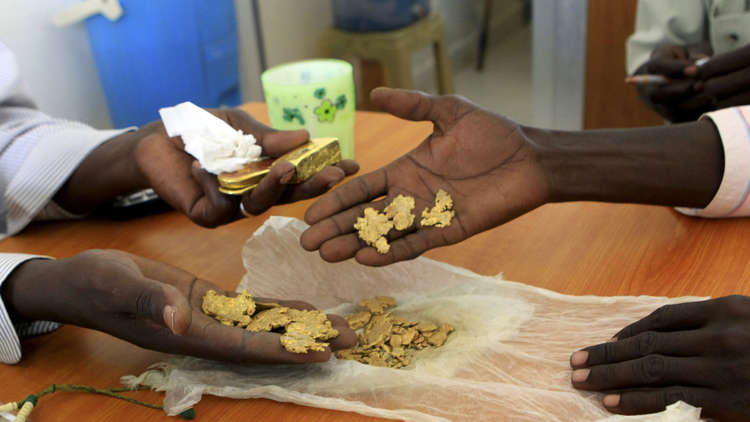
Gold trading in Sudan (File photo: RD)
A report published today by the Sudan Transparency and Policy Tracker warns that United Arab Emirates trade restrictions and regional tensions are deepening Sudan’s economic crisis and pushing more activity into informal networks.
The report, says Sudan’s fuel supply is already under strain from wider regional conflict, warning that “any route blockages will trigger immediate domestic shortages”.
In August 2025, the UAE imposed an air and maritime embargo, blocking key routes to Port Sudan.
The measures “barred vessels from utilising UAE ports for direct shipments” and forced traders onto longer, more expensive routes, the report states.
As a result, “costs of imports” have risen while earnings from gold and oil have fallen, accelerating the collapse of the Sudanese pound.
“Increased… transit times and costs… have driven up the prices of medicines… as well as the cost of imported foodstuffs,” the report adds.
‘Gold trade disrupted’
The embargo has hit Sudan’s main export sector hardest. The closure of Dubai to Sudanese gold sent “shockwaves through the market”, the report says, noting the UAE previously received nearly all official exports.
With formal channels shrinking, trade has shifted elsewhere. “They shift… into informal and militarised networks,” the report warns.
Between 50 and 80 per cent of gold production is now reportedly smuggled.
‘Government measures backfire’
Khartoum’s response, including centralising gold exports, has reportedly worsened the situation.
Such policies “counterproductively encouraged smuggling”, the report says, repeating past failures.
Fuel imports have also been hit. The report notes “84.1 per cent” of Sudan’s petroleum came from the UAE, making disruptions severe for both civilians and military operations.
‘Parallel markets’
The report concludes that both the embargo and government controls are reinforcing a war economy.
“Trade restrictions… have not reduced economic activity but instead redirected it toward informal, militarised, and cross-border networks.”
It warns Sudan remains highly vulnerable without diversifying trade and reforming its economy.
Read the full report here: Sudan Transparency and Policy Tracker, “UAE–Sudan Economic Tensions: Business Dispute or Battle for Influence?” by Mohamed Salah Abdelrahman.

 and then