





HRW: ‘Sudan army detains, tortures civilians in ethnic targeting campaign’
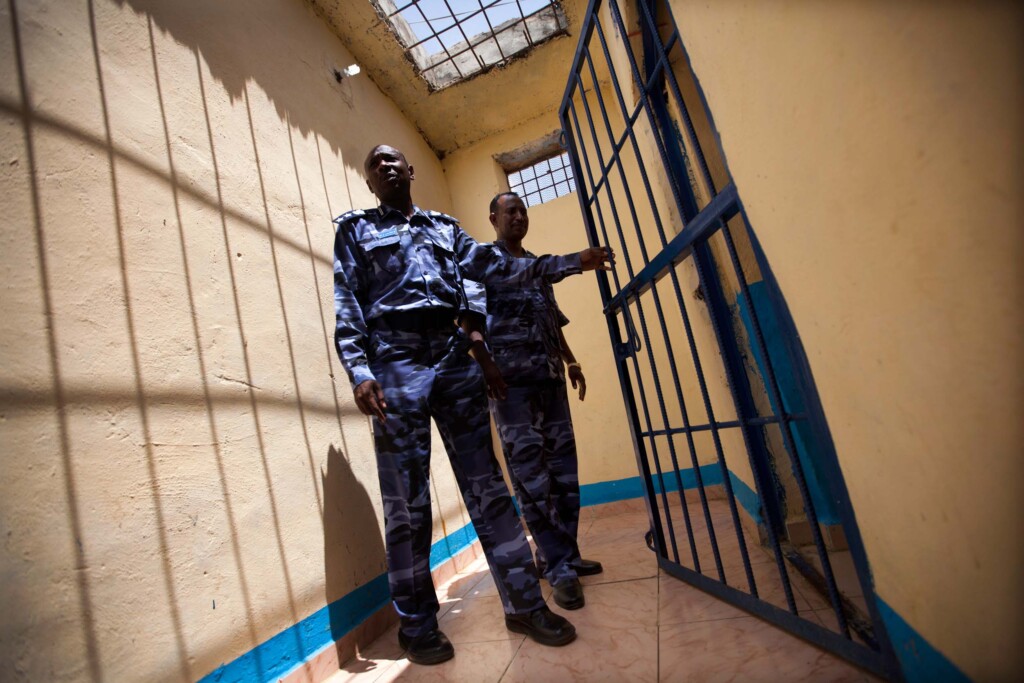
Sudanese policemen at the detention center in El Geneina, West Darfur (File photo: Albert González Farran / UNAMID)
In a report by Human Rights Watch (HRW) yesterday, the group said Sudanese Armed Forces (SAF)-affiliated security and military forces have arbitrarily detained, tortured and ill-treated civilians in areas under their control, in violations that may amount to war crimes and crimes against humanity.
According to the HRW report, they state civilians were detained on suspicion of collaborating with the paramilitary Rapid Support Forces (RSF), particularly in areas retaken by the SAF, often based on ethnicity, perceived political affiliation, or humanitarian work.
It warned that unlawful detention, ill-treatment and torture “may constitute war crimes and crimes against humanity”.
“The Sudanese Armed Forces and its allies have led a campaign of fear and retaliation against people they label collaborators… because of their identity, humanitarian work, or political activity,” Mohamed Osman, Sudan researcher at HRW, said.
‘Deaths in custody and disappearances’
HRW said detainees were held incommunicado, with families denied information and, in some cases, forcibly disappeared. It also documented at least two deaths in custody linked to torture.
“They came into the house and started beating him badly… ‘your brother is not coming back,’” the brother of a 25-year-old man forcibly disappeared in February 2026 said.
Between June 2025 and February 2026, HRW documented abuses in various states including Khartoum, El Gezira, El Gedaref, Red Sea State and Northern State.
Witnesses said “security cells” involving Military Intelligence, General Intelligence and the newly-sanctioned El Baraa Ibn Malik Brigade as being those responsible for carrying out arrests.
A police officer said a woman accused of RSF links was dragged from her home and beaten, “brought her out half naked, beating her, slapping her,” he said.
‘Women detained, some sentenced to death’
HRW said hundreds of women were detained over alleged RSF collaboration, with at least 25 sentenced to death. Despite the release of around 400 women ordered by Sovereignty Council President and Commander-in-chief of the SAF Lt Gen Abdelfattah El Burhan, many remain held without due process.
“I felt so degraded, as if I was not a human anymore,” a detained woman said.
The Attorney General rejected most allegations but confirmed one ongoing case linked to a death in custody. HRW called for releases and independent access to detention sites.

 and then