




The dilemma of being a journalist in Sudan
شعار شبكة اعلاميات سودانيات
Compiled by Media Network and Madamik Newspaper for Sudan Media Forum
For years, the press in Sudan has been going through successive crises that have negatively affected the journalistic climate, freedom of expression, and the independence of media institutions. After the outbreak of the war on April 15, 2023, press institutions were destroyed, as headquarters and properties were bombed and looted, and journalists were displaced, and many institutions stopped working, while some remained operating at a meager operational capacity not exceeding 1 per cent, and journalists were killed, arrested, and tortured, as the Sudanese Journalists Syndicate confirmed the death of 32 journalists since the start of the war. These violations have had a negative impact on the situation of women and journalists and on media work in general.
Documentation and monitoring
According to a report prepared by the Sudan Women Media Network (MADAMIK), Sudanese women journalists have been subjected to numerous violations, targeted for their journalistic work and gender, and have been subjected to killings, displacement, arrest, sexual violence, prosecutions, confiscation of property, and travel bans. They have also been subjected to numerous digital violations and violence on social media, including bullying, defamation, verbal violence, and abuse.
The network monitored the increasing risks to women journalists due to the war, and the media environment, which it considered to have never been friendly to women journalists. These risks included killings, arrests, torture, sexual violence, displacement, travel bans, denial of access to identity papers, in addition to a clear increase in their exposure to social and domestic violence, bullying and defamation, especially on social media, cyber threats, repeated threats via the phone and social media platforms, raids on the homes of women journalists in conflict zones, confiscation of work equipment such as smartphones and cameras, in addition to organized smear campaigns against some women journalists.
Harassment
The report revealed a decrease in the presence of women journalists in field work, especially in areas that witness military operations, or work that requires crossing a number of checkpoints, where the rates of sexual harassment towards women are increasing, which has limited the quality coverage they used to do before the war, such as covering gender and humanitarian issues, women’s suffering, and reflecting the voices of victims of sexual violence, displacement, and violations of women and girls.
Lack of psychological support
The network identified a significant gap in the psychological support services provided to women journalists, with only 40 per cent of women journalists receiving psychological support after the war. The report showed that 52 percent of women journalists are still inside Sudan, while 48 percent of them have moved to other countries. On the other hand, the data confirmed that (32 per cent) of women journalists have been displaced within the country, while (48 per cent) of them are considered refugees in neighboring countries or outside the region. The remaining 20 per cent confirmed that they are still in their areas of origin despite the risks and challenges they face. Despite the risks and suffering, there has been a slight improvement in the conditions of women journalists, for several reasons, the most important of which is their ability to adapt quickly and their professional commitment, as the percentage of women journalists who continued to work as journalists increased to (72 per cent) instead of (10 per cent) in the first months of the war in light of the deterioration of the labor market, and taking advantage of the conditions created by the war to reduce the salaries and wages of journalistic materials.
Pressures and burdens
Financial concerns continue to pose a second direct crisis that threatens the continuity of work, in addition to the interruption of electricity, the internet, and the absence of work equipment, as the data indicated that (56 per cent) of female journalists have lost their jobs or reduced income for them and their families, especially with the high cost of living, whether in areas of displacement or countries of refuge, which constitutes one of the most prominent difficulties. The problem is compounded by the fact that more than half (56 per cent) of female journalists are the main breadwinners of their families, putting additional financial pressure on them. While violence has become a prominent feature of war, 40 per cent of female journalists have been subjected to some form of violence, most notably psychological and verbal violence, and threats in light of a large gap in specialized training. Seventy-two percent of women journalists indicated that they had not received any training on crisis and conflict coverage or safety training during war.
Urgent interventions
The statements and the views of women journalists confirmed that the Sudanese journalist today is not only struggling to convey the truth, but also to survive her personal and professional life in light of the erosion of financial and psychological support. The data underscore the immediate need for interventions aimed at creating jobs, strengthening psychosocial safety nets, and providing specialized safety training to fill the gap exposed by the war. The report warned of the targeting and hacking of the personal accounts of (26) journalists on social media platforms, and fake pages with the names of female journalists were created.
Atrocities and murders
The report listed violations that a media network said did not represent all the violations committed, due to the significant challenges facing documentation and information gathering in light of the current conflict and the shutdown of the internet in a number of regions of the country.
Murders
On June 30, 2023, journalist Samaher Abdel Shafe, a worker for Radio Zalingei, was killed when a shell fell on a house where she was staying in Al-Hasahisa camp in the city of Zalingei, in Central Darfur state. On October 10, 2024, Halima Idris Salem, a correspondent for Sudan Bakra TV, was on her way home after completing the information required for her report on the victims of the clashes that were taking place in the old neighborhoods of Omdurman. Idriss did not know that someone was tracking her steps and did not want her report to see the light of day, as she was run over by a car belonging to the Rapid Support Forces and died instantly. On December 8, 2024, a journalist at the Ministry of Culture and Information in Gezira state, and Al-Midan newspaper correspondent Hanan Adam, and her brother Youssef Adam were killed in a village in the southern Jazira locality by the Rapid Support Forces. On December 9, 2024, journalist Bakhita Adam Massoud, who worked for Sudanese Radio, died after being hit by shrapnel in the city of Khartoum Bahri.
Death due to deteriorating health and environmental conditions as a result of the war
The deteriorating environment and health conditions have led to major health problems for many Sudanese inside the country. The case of journalist Huda is an embodiment of the suffering of women journalists inside Sudan in light of the war, and in fragile economic, health and social conditions for which they may pay with their lives. Journalist Huda Hamed Ibrahim, who died in Khartoum in June 2024, after being bitten by a snake in Khartoum, and unable to get proper treatment.
Malicious reports
Rasha Awad, the editor-in-chief of the online newspaper Al-Change, received death threats, and reports were opened by the army against her with articles that carry the death penalty.
Sabah Mohamed al-Hassan was also detained by the Rapid Support Forces (RSF) in Hasahisa in March 2024 and was raided and arrested by army forces in Nile River State in August 2024. Sabah also received death threats from people on social media, who accused her of supporting the Rapid Support Forces (RSF) and squandered her blood.
Arrest and travel ban
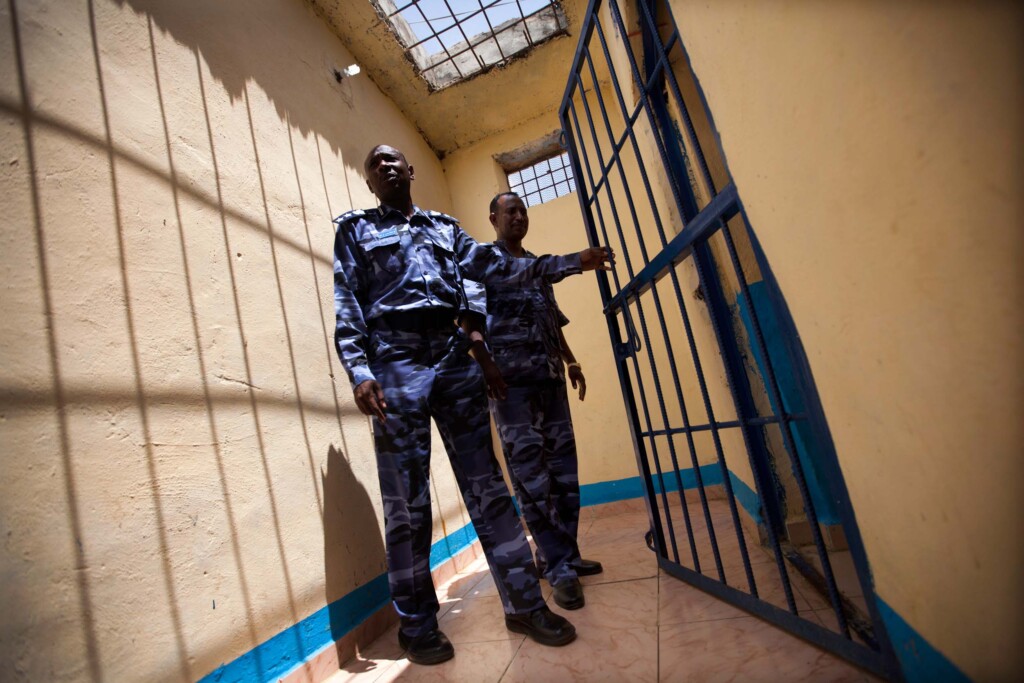
Journalist Tamtamiyal Suleiman was also detained for three days by the security apparatus in Kassala province and banned from traveling abroad. In the focused discussions, the journalists reported being subjected to sexual harassment and verbal abuse at checkpoints, while moving from one place to another, and during detention and interrogation.
Digital violence
A number of women journalists have been systematically subjected to vicious digital attacks that have included bullying, defamation, invasion of privacy, and insults, as well as the creation of fake pages with the names of female journalists that have been used to spread false and harmful opinions and information. Maha al-Taleb and Fadwa al-Khazraji were also subjected to this as Maha was subjected to a smear campaign, and Fadwa received threats through phone calls, in addition to other forms of threats and bullying. Social media accounts also posted photos of Khazraji. In February 2025, unknown parties issued a publication that included incitement against Maha al-Taleb, calling for her to be killed, based on her accusation by them of reporting news of gangs and rebel militias.
License withdrawal
On November 20, 2025, a decision was issued by the Ministry of Culture, Information and Tourism to suspend journalist Lina Yacoub, the director of the office of Al-Arabiya and Al-Hadath channels in Sudan. Recently, a decision was issued by the prime minister, appointed by the army, Kamel Idris, allowing her to work.
Resilience and defiance
Women journalists have expressed a very difficult professional and psychological reality for women media workers, where they face double the challenges of covering conflict and the collapse of basic safety nets. The analysis indicates that more than half (52 per cent) of women journalists have become refugees outside Sudan, while 48 per cent of them are living as displaced women or are still in areas affected by the conflict within the country.
Whereabouts of women journalists after the war
Despite the harsh conditions, the data showed remarkable resilience, with the majority of women journalists (72 per cent) still practicing journalism, whether partially (40 per cent) or full (32 per cent), most of whom have more than seven years of experience (56 per cent).
The Triple Crisis: (Subsidies, Income, and Security)
The most prominent challenges facing women journalists are summarized in a harsh triad related to psychological, financial, and security aspects: psychological collapse and lack of support: The first concern for Sudanese women journalists was the lack of psychological support at the top of the difficulties they face, with 17 cases (68 per cent) of the sample being recorded. This result confirms the prevailing state of psychological exhaustion among female journalists, with 72 per cent of female journalists describing their psychological state since the outbreak of the war as either stressed (40 per cent) or very tired (32 per cent). 60 per cent of female journalists confirmed that they have not received any kind of psychological, professional, material, or legal support. For those who received support, the focus was almost entirely on psychological support, often from personal networks or co-workers, rather than through fixed institutional mechanisms.
Loss of income and burden of dependency
The financial concern represents a second immediate crisis that threatens business continuity, along with power and internet outages.
Legal protection
The report recommended the need to provide sustainable psychological and social support programs for women journalists affected by the war, and stressed the need to support job opportunities and a secure income for women journalists inside and outside Sudan, in addition to expanding training programs in occupational safety and conflict coverage, and called for strengthening legal protection, combating digital violence, and supporting independent women’s media initiatives.
Safe environment
Journalist and member of the Sudan Women’s Media Network, Lamia Al-Jili, called in an interview with Madamik to provide a safe work environment for women journalists, stressing that there are policies and regulations within media institutions that protect women journalists from any form of violence and prevent discrimination against them. She said that it is very important to facilitate mechanisms for reporting any form of violence within institutions, and that the Sudanese Journalists Syndicate can work on complaints committees and that there should be fair representation of women within these committees, and that the work of these committees should be fully transparent. She pointed to the experiences of countries that have enacted laws to protect women from violence at work, and these laws have contributed to providing a safe work environment, and the aspect of awareness is important and contributes to preventing violations, and holding perpetrators accountable and redressing women victims of violence must be a priority for media institutions and press bodies. With regard to gender discrimination within media institutions, Lamia stressed the need to combat discrimination against women journalists, develop policies that prevent discrimination, and provide them with fair opportunities in training and promotion, and considered the presence of women in media decision-making positions very important to remove all obstacles and obstacles that affect the development of their professional and human rights capabilities, whether within media institutions or in the public or private space.
The Sudan Media Forum and its member institutions publish this article prepared by Media Network and Madamik Newspaper. The article reflects the dire reality of women journalists in Sudan under the war, while at the same time addressing the great feats, they have undergone to defy the double hardships and suffering they face.
The article indicates that Sudanese women journalists have been subjected to numerous violations and targeted for their journalistic work, once, and for gender, again, and have been subjected to killings, displacement, arrest, sexual violence, prosecutions, confiscation of property, and travel bans. They have also been subjected to numerous digital violations and violence on social media, including bullying, defamation, verbal violence, and abuse.

Find the Sudan Media Forum on Facebook and on X: #StandWithSudan #SilenceKills #الصمت_يقتل #NoTimeToWasteForSudan #الوضع_في_السودان_لايحتمل_التأجيل #SudanMediaForum


and then