





Eight million children out of school in Sudan — teachers warn of looming education catastrophe
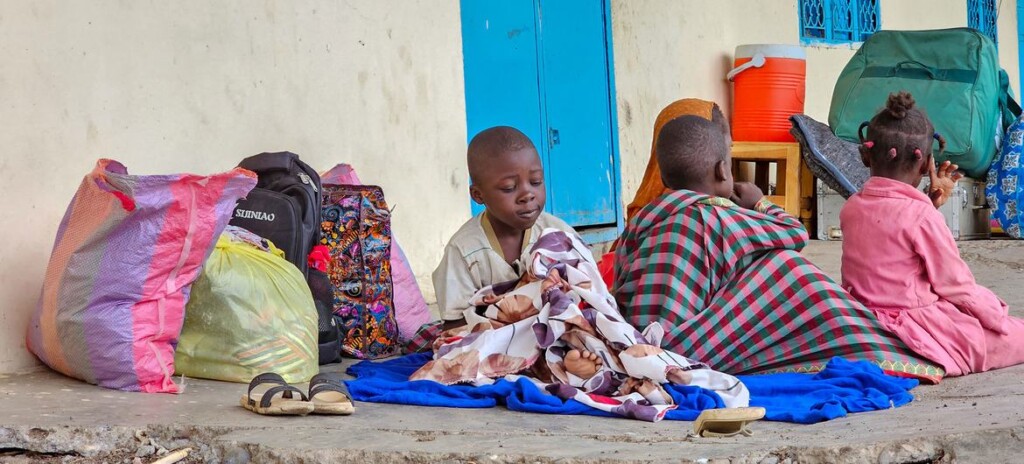
Children sleep on a veranda at a school in El Gedaref after fleeing Singa, southeastern Sudan, following violent clashes (Archive photo for illustration: © UNICEF/Osman Rajab)
Eight million children are falling outside Sudan’s education system, the Sudanese Teachers’ Committee says, warning that the public education system is at risk of collapse as teachers struggle to make ends meet and pupil numbers fall, particularly in poor and peripheral areas. The Sudanese Teachers’ Committee has called for education spending to be increased to 20% of the national budget and confirmed that a teachers’ strike in Khartoum state is continuing. It is considering further peaceful action, including school closures and sit-ins, if its demands are not met.
Committee member Ammar Youssef said at an online press conference on Monday evening that about eight million children were now outside the education system. He warned that the crisis was worsening as families struggled to afford schooling and public schools faced growing difficulties in continuing to operate.
Call for teachers to join strike
Committee spokesperson Sami al-Baqir said the minimum wage stood at SDG 12,000, according to the committee’s estimates. He criticised the failure to implement decisions concerning workers’ rights and called for higher wages, payment of outstanding dues, and improvements to school conditions.
The committee urged teachers across Sudan to join the strike and called on parents to understand teachers’ position and demands. It said the union action aimed to protect public education and ensure its continuation, while improving the living conditions of education workers.
In a field statement issued on Tuesday, the committee said the strike in Khartoum state had entered its second consecutive day, with strong participation in the localities of Karari, Bahri, and East Nile.
It warned of what it described as serious developments threatening the future of public education, saying its field monitoring had revealed a substantial and worrying decline in pupil numbers, particularly in schools in poor and peripheral areas.
The fall in enrolment reflected the scale of the crisis facing the education sector and raised the prospect of classrooms emptying of children from low-income families, who rely primarily on public schools. The committee warned that the situation could deprive entire generations of educational opportunities.
The committee said some teachers were unable to reach their schools because they could not afford transport. Their absence, it stressed, was not solely linked to participation in the strike, but also reflected the sharp deterioration in their living conditions amid low salaries and rising living costs.
It said teachers being unable to afford the journey to work was a serious indication of the economic crisis facing education workers, amid what it described as the government’s continued disregard for their demands.
Class divisions in education
The committee criticised what it described as class-based discrimination between ordinary public schools and high-fee model schools. It said teaching had continued regularly in some model schools because they provided teachers with paid lessons, while public schools in poorer areas suffered from inadequate resources and deteriorating educational conditions.
It warned that this growing disparity risked turning education from a universal right into a service dependent on families’ financial means, undermining equal educational opportunities and widening the gap between different social groups.
The committee accused the authorities of attempting to circumvent teachers’ demands by relying on bodies it said had lost their effectiveness, while making promises to pay outstanding dues without fulfilling them. It said these practices were prolonging the crisis and worsening its impact on education.
It warned of what it described as a plan to systematically undermine public education, saying the continued deterioration in teachers’ living conditions, declining pupil numbers, and poor school environments could lead to the suspension of public education in several areas, particularly poorer and peripheral communities.
The committee stressed that the threat extended beyond teachers’ rights and outstanding payments to the future of millions of children who depend on public education. It warned that the number of children deprived of schooling could continue to rise.
Further strike action under consideration
Committee spokesperson Sami al-Baqir confirmed that the protest movement would continue. He said the committee was considering further peaceful measures, including closing schools and organising sit-ins, if the authorities failed to respond to its demands.
Al-Baqir announced that the strike’s higher committee would hold a decisive meeting at the end of the week to assess the situation on the ground, review developments in the strike, and determine the next steps.
He said the committee would continue what he called a “long-haul battle”, stressing that protecting public education and securing teachers’ rights were the two main objectives of the union’s campaign. He renewed his call for unity among teachers and solidarity with their demands.
Sudan’s education crisis
As previously reported by Radio Dabanga, Inflation is making education increasingly unaffordable in Sudan. On World Teachers’ Day on October 5, Sudanese educators called for housing and better support. Sudanese educators warned that low salaries and deteriorating working conditions were undermining teaching. Many teachers struggle to afford transport and basic necessities, forcing them to seek additional employment.
Education specialists called for better wages, housing, social security and teaching materials, while warning that inadequate public investment was contributing to the growth of private schooling.


 and then